How to find your passion in creative leisure activities
Discover how to discover and develop your passion for creative hobbies. This e-book guides you through various possibilities from painting to needlework and helps you find the activity that brings you joy and challenges.
Get the e-book

The Perfect Scrambled Eggs – The Chemistry Behind the Ideal Texture

Discover how science transforms simple eggs into a creamy, cloud-like masterpiece
Food
Food
5 min
Scrambled eggs may look easy, but achieving the perfect texture is all about chemistry. Learn how heat, fat, and timing interact on a molecular level to turn ordinary eggs into a silky, flavorful breakfast.
Isaiah Johnson
Isaiah
Johnson

The Perfect Scrambled Eggs – The Chemistry Behind the Ideal Texture

Discover how science transforms simple eggs into a creamy, cloud-like masterpiece
Food
Food
5 min
Scrambled eggs may look easy, but achieving the perfect texture is all about chemistry. Learn how heat, fat, and timing interact on a molecular level to turn ordinary eggs into a silky, flavorful breakfast.
Isaiah Johnson
Isaiah
Johnson

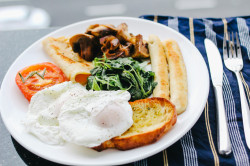
Scrambled eggs seem like one of the simplest dishes imaginable – just eggs, heat, and a pinch of salt. Yet the results can range from silky clouds to dry, rubbery lumps. The difference lies in chemistry. When eggs are heated, a series of precise molecular changes occur in their proteins, determining whether your breakfast turns out creamy or disappointing. Let’s dive into what’s really happening in the pan – and how you can use science to make the perfect scrambled eggs.

The Structure of an Egg – A Tiny Chemical Marvel

An egg is mostly water and protein. The egg white is about 90% water and 10% protein, while the yolk contains more fat and emulsifiers such as lecithin. It’s the interaction between these components that makes eggs so versatile in cooking.

When you whisk eggs, you break down the natural structure of the proteins and incorporate air into the mixture. This creates a network that expands when heated. But how much you whisk and how you apply heat have a huge impact on the final texture.

Heat – The Critical Factor

As eggs heat up, their proteins denature – meaning they unfold and form new bonds with one another. This process causes the liquid mixture to solidify. But it needs to happen slowly and gently.

  • Around 144°F (62°C): Egg white proteins begin to coagulate.
  • Around 150–160°F (65–70°C): The yolk starts to set.
  • Above 175°F (80°C): The proteins tighten too much, and the eggs become dry and rubbery.

That’s why low heat is the key to a creamy texture. Cooking scrambled eggs slowly allows the proteins to form a soft, elastic network that traps moisture instead of squeezing it out.

Fat and Liquid – The Secret to Creaminess

Butter, cream, or milk aren’t just for flavor. Fats and liquids act as tiny “speed bumps” in the coagulation process. They prevent the proteins from bonding too tightly and help retain moisture.

  • Butter adds richness and a smooth mouthfeel.
  • Cream or milk contribute extra water and fat, making the eggs softer.
  • Sour cream or cream cheese can be stirred in at the end to stop cooking and add a gentle tang.

A good rule of thumb is about one tablespoon of liquid per egg, though you can adjust to taste.

Stirring – Timing and Technique

How you stir is almost as important as the temperature. Too much stirring can break down the structure, while too little can lead to uneven cooking.

  • Start with a warm but not smoking skillet.
  • Immediately lower the heat and stir slowly and gently with a spatula.
  • When the eggs begin to thicken, remove the pan from the heat – the residual heat will finish the job.
  • Add a small knob of butter or a splash of cream at the end to halt cooking and enhance creaminess.

The result should be soft, moist, and slightly glossy – not dry or clumpy.

Salt, Acidity, and Flavor

Salt also affects the chemistry of eggs. Adding salt before whisking helps break down some of the protein bonds, resulting in a more tender, uniform texture. If you salt only at the end, the eggs may turn out firmer.

A touch of acidity – a few drops of lemon juice or a spoonful of sour cream – can further prevent the proteins from tightening too much. It’s a small detail, but it can make a big difference.

The Scientific Formula for Perfection

If we were to boil it all down to a formula, it might look like this:

Low heat + patience + fat + proper salting = creamy scrambled eggs.

It’s not about following a recipe to the letter, but about understanding what’s happening in the pan. Once you grasp the science, you can adjust to your preference – fluffier, firmer, richer – whatever your ideal texture may be.

Scrambled Eggs as a Mini Lab Experiment

Making scrambled eggs is, in essence, a small experiment in food chemistry. You’re controlling temperature, pH, fat content, and mechanical action – just like a chemist in a lab. And when you master the balance, you don’t just get breakfast; you get a sense of control over one of the kitchen’s most fundamental ingredients.

So next time you pick up a whisk, remember: you’re not just making scrambled eggs – you’re conducting a delicious chemical experiment.

Fruit in New Ways – How Preparation Affects the Flavor
Discover how simple changes in preparation can completely transform the taste of your favorite fruits
Food
Food
Fruit
Cooking Techniques
Flavor
Kitchen Tips
Food Science
5 min
From roasting to chilling, a fruit’s flavor can shift from bright and tangy to rich and caramelized. Learn how heat, cold, acid, and fat influence the taste and texture of fruit—and how to use these effects to create new culinary experiences.
Ben Anderson
Ben
Anderson
Taste as You Go: Adjust the Dish as You Cook
Discover how tasting and adjusting as you cook can transform your meals from ordinary to exceptional
Food
Food
Cooking Tips
Flavor Balance
Home Cooking
Culinary Skills
Kitchen Inspiration
4 min
Great cooking is about more than just following instructions—it’s about trusting your senses. Learn how to taste, tweak, and balance flavors as you go, and turn every dish into a personal creation full of depth and harmony.
Sarah Torres
Sarah
Torres
Choose the Right Recipe for Your Time and Experience
Find the perfect recipe that matches your skills, schedule, and cooking goals
Food
Food
Cooking Tips
Recipes
Kitchen Skills
Time Management
Home Cooking
3 min
Cooking should be fun, not frustrating. Learn how to pick recipes that suit your time, energy, and experience level—so every meal becomes a rewarding experience, whether you’re a beginner or a seasoned home cook.
Elijah Scott
Elijah
Scott
The Perfect Scrambled Eggs – The Chemistry Behind the Ideal Texture
Discover how science transforms simple eggs into a creamy, cloud-like masterpiece
Food
Food
Cooking Science
Food Chemistry
Breakfast
Culinary Tips
Kitchen Techniques
5 min
Scrambled eggs may look easy, but achieving the perfect texture is all about chemistry. Learn how heat, fat, and timing interact on a molecular level to turn ordinary eggs into a silky, flavorful breakfast.
Isaiah Johnson
Isaiah
Johnson
Make the Most of Every Cut: From Tender to Tough with the Right Cooking Technique
Turn every cut of meat into a delicious meal with the right cooking method
Food
Food
Cooking Techniques
Meat Cuts
Kitchen Tips
Sustainable Cooking
Food Preparation
4 min
Discover how to bring out the best in every cut—from the most tender filet to the toughest roast. Learn which cooking techniques make each piece shine, reduce waste, and embrace a more sustainable approach to meat preparation.
Lucas Young
Lucas
Young
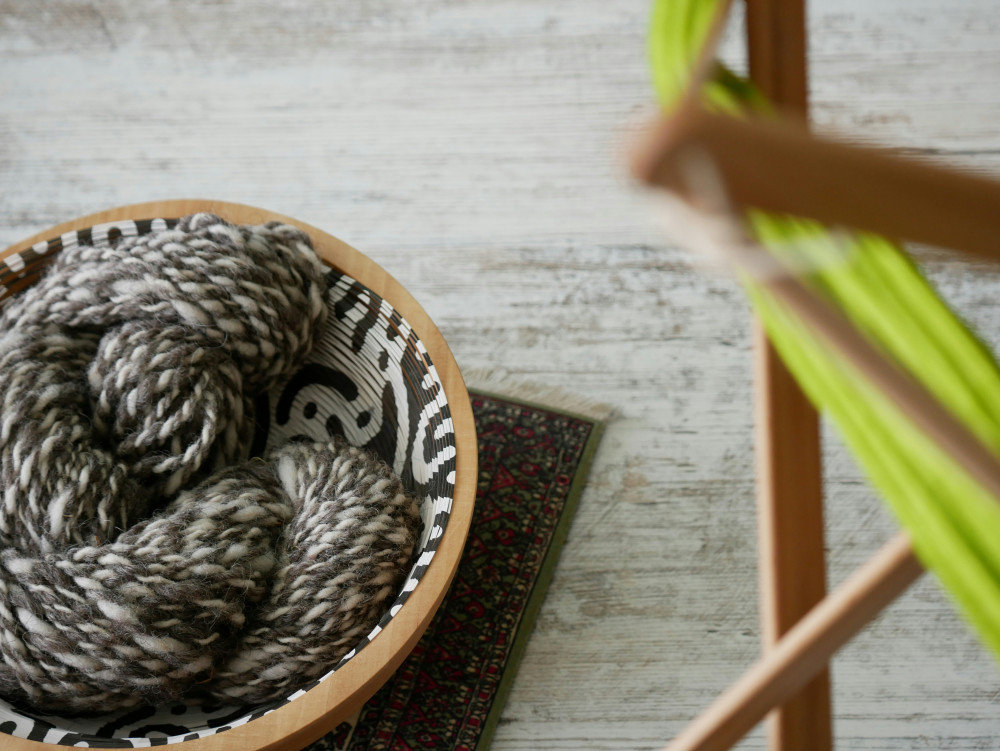
Yarn bowls – let yourself be inspired by shapes and materials
Make your knitting time more comfortable with a practical and beautiful yarn bowl
Hobby
Hobby
Yarn bowl
Handicraft
Knitting
Crochet
Creative leisure
4 min
Yarn bowls combine function and aesthetics in handicrafts. Get an overview of different shapes and materials, and find inspiration for the yarn bowl that best suits your style and creative space.
Ben Anderson
Ben
Anderson
Canvases – see the selection and get inspired
Create your own artworks with the right canvas as a foundation
Hobby
Hobby
Canvas
Creative hobby
Art
Paint
Inspiration
2 min
Find inspiration for your next painting project with our overview of canvases. Read about materials, sizes and surfaces and get a better foundation for choosing the canvas that suits your creative style.
Sarah Torres
Sarah
Torres
Create your own artworks with acrylic paints in many variations
Unleash your creativity with colours that suit every idea
Hobby
Hobby
Acrylic paint
Creative hobby
Art
Painting
Material
2 min
Discover the many possibilities of acrylic paint – from classic primary colours to special effects and professional ranges. The article provides an overview of types, properties and areas of application so that you can find the paint that suits your creative projects.
Elijah Scott
Elijah
Scott
Watercolour paintings – overview of options for both beginners and advanced
Find the right colours and tools to express your creativity with watercolour
Hobby
Hobby
Watercolour painting
Creative hobby
Art
Painting equipment
Inspiration
2 min
Watercolour painting opens up creative expression in both simple and advanced techniques. Get an overview of the different types of paint, qualities and formats, so you can choose the set that best suits your level and preferences.
Isaiah Johnson
Isaiah
Johnson
Hobby paints – Inspiration for new creative forms of expression
Let your imagination run wild with colours that bring your ideas to life
Hobby
Hobby
Hobby paints
Creativity
DIY
Art
Leisure projects
5 min
Find inspiration for your creative projects with hobby paints. The article provides an overview of different types of paints and their possible applications, so you can choose the products that best suit your ideas and materials.
Lucas Young
Lucas
Young
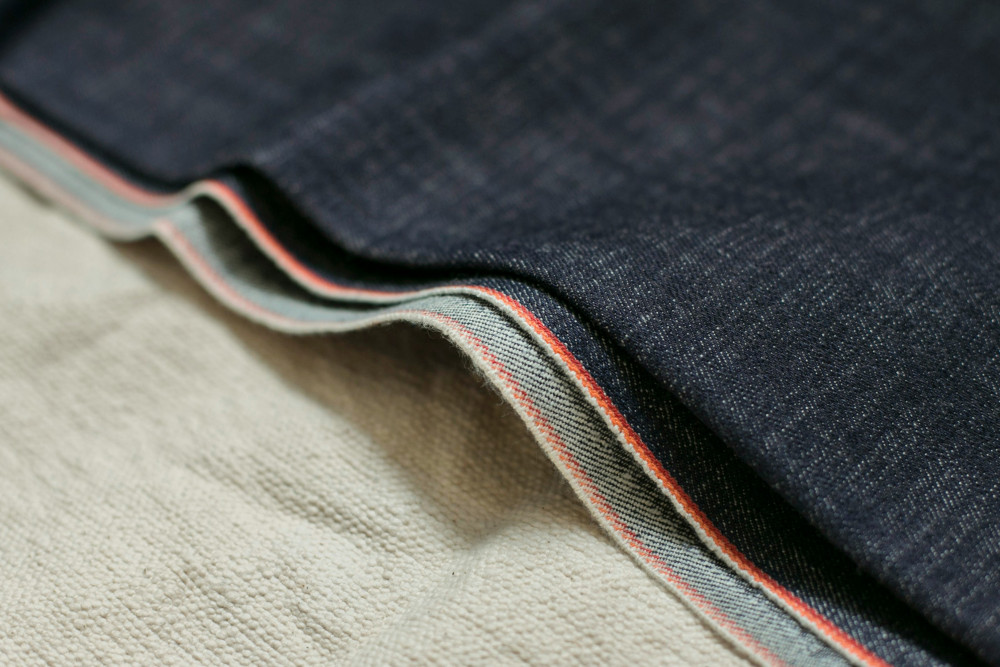
Denim fabrics explained – understand the properties of the materials
Get a handle on the differences before you choose fabric for your next sewing project
Make it yourself
Make it yourself
Denim
Sewing
Textiles
Hobby
Material science
4 min
Denim comes in many varieties with different weaves, weights and properties. Read how to choose the right denim fabric for your project, and gain insight into what characterises the most popular types.
Ben Anderson
Ben
Anderson
Gather ideas for new projects with a selection of embroidery kits
Unleash your creativity with colours, patterns and inspiration for new craft projects
Make it yourself
Make it yourself
Embroidery
Crafts
Creative Hobby
DIY
Inspiration
5 min
Find inspiration for your next creative project with a selection of embroidery kits. The article provides an overview of different types of sets so you can easily choose the one that suits your style and experience.
Sarah Torres
Sarah
Torres