Choose the Right Recipe for Your Time and Experience

Choose the Right Recipe for Your Time and Experience
Cooking should be enjoyable—not a source of stress. But it can quickly become overwhelming if you pick a recipe that demands more time, equipment, or skill than you have. The good news is that there’s a recipe for every situation—whether you’re new to the kitchen, juggling a busy schedule, or love diving into culinary projects. Here’s a guide to help you choose the right recipe for your time and experience.
Know Your Starting Point
Before you start cooking, be honest about where you are as a cook. Are you a beginner, intermediate, or experienced? It’s not about labeling yourself—it’s about setting yourself up for success.
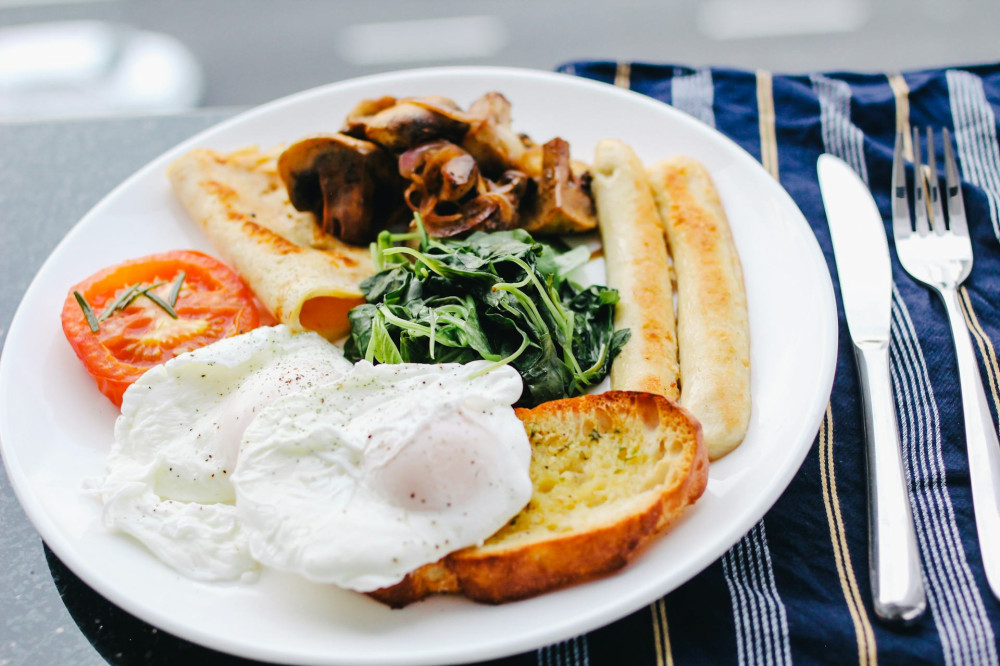
- The Beginner: Start with simple dishes that use a handful of ingredients and short cooking times. Think scrambled eggs, sheet-pan dinners, or one-pot pasta. These build confidence and make cooking fun.
- The Intermediate Cook: You can start experimenting with techniques like roasting, sautéing, or baking. Try recipes that require a bit more timing or prep work, such as stir-fries or casseroles.
- The Experienced Cook: Challenge yourself with recipes that demand precision and creativity—like homemade bread, soufflés, or multi-course meals.
When you know your level, it’s easier to pick recipes that keep you engaged without leaving you frustrated halfway through.
Læs også:
Consider Your Time and Energy
A recipe might look amazing in photos, but if you only have 30 minutes, it’s not the day for slow-cooked ribs or handmade ravioli. Time is one of the most important factors when choosing what to cook.
- Busy Weeknights: Go for quick meals that can be ready in under half an hour—like tacos, stir-fries, or skillet meals.
- Weekends or Days Off: This is your chance to take your time. Try baking bread, simmering a stew, or learning a new technique.
- Cooking for Guests: Choose dishes you’ve made before or ones that can be prepped ahead of time. That way, you can enjoy your company instead of rushing around the kitchen.
A helpful tip: read the entire recipe before you start. That way, you won’t be surprised by a “let rest for 2 hours” step when you only planned for 30 minutes.
Read Recipes with a Critical Eye
A recipe is a guide—not a rulebook. But to adapt it successfully, you need to understand what it requires. Look for:
- Number of Ingredients – More ingredients often mean more prep time.
- Technical Terms – Words like “blanch,” “temper,” or “emulsify” may require some experience.
- Equipment – Do you have what you need? Some recipes call for a food processor, stand mixer, or thermometer.
- Step-by-Step Clarity – Good recipes explain each step clearly. If something seems confusing, look up a video or find another version of the dish.
Reading carefully before you start saves time, reduces stress, and helps you enjoy the process.
Choose Based on Purpose, Not Just Craving
Some days, cooking is about getting dinner on the table fast. Other days, it’s about enjoying the process. Ask yourself: What’s my goal today?
- Quick Everyday Meals: Go for simple recipes with minimal steps—like soups, wraps, or grain bowls.
- Cooking for Fun or Togetherness: Pick dishes that invite participation—like homemade pizza, tacos, or burgers.
- Cooking to Learn: Try something new, like making your own pasta or mastering a sauce. It takes time, but it builds skills you’ll use again and again.
When you choose recipes that fit your purpose, cooking becomes more meaningful—and the results fit your day.
Learn from Every Experience
Every time you cook, you learn something new—even when things don’t go as planned. Maybe the sauce was too thick, or the chicken cooked too long. Instead of seeing it as failure, treat it as practice.
Jot down quick notes in your cookbook or on the recipe: “Needed more salt,” “Bake 5 minutes longer,” or “Best with fresh herbs.” Over time, you’ll build your own personal cooking wisdom—and get better at spotting recipes that suit you.
Make Cooking an Experience
Choosing the right recipe isn’t just about time and skill—it’s about joy. Cooking can be a creative break in your day, a chance to unwind and make something with your hands. Put on some music, light a candle, and enjoy the process—even if the result isn’t perfect.
When you pick recipes that match your time, energy, and experience, cooking stops feeling like a chore and becomes something you look forward to. That’s where the best meals come from—the balance between ambition and ease.
Læs også: