Fruit in New Ways – How Preparation Affects the Flavor

Fruit in New Ways – How Preparation Affects the Flavor
Fruit is often associated with freshness, sweetness, and juiciness – but once you start cooking it, something remarkable happens. Heat, cold, acid, and fat can all transform its flavor, texture, and aroma, turning the same fruit into completely different taste experiences. In this article, we’ll explore how preparation changes the flavor of fruit and how you can use that knowledge in your own kitchen.
When Heat Deepens Sweetness
When fruit is heated – baked, grilled, or caramelized – a series of chemical reactions take place that dramatically alter its taste. The natural sugars begin to caramelize, and the acidity softens. The result is a deeper, rounder sweetness and a more intense aroma.
- Apples and pears become tender and honey-sweet when baked, developing notes of caramel and vanilla that pair beautifully with cinnamon, nuts, and butter.
- Bananas turn syrupy and rich when grilled or pan-fried – perfect for topping pancakes or ice cream.
- Citrus fruits lose some of their sharp acidity but gain a bittersweet complexity when roasted in the oven.
A good trick is to pair warm fruit with something cool and fresh – like raw berries or a spoonful of yogurt – to balance sweetness with brightness.
Cold Brings Out Freshness and Tartness
Cold has the opposite effect of heat. Chilling or freezing fruit can make its tartness more pronounced while muting its sweetness. Frozen fruit also changes texture as ice crystals break down the cell walls, releasing more juice and intensifying flavor.
- Frozen grapes make refreshing, bite-sized “ice cubes” for summer drinks.
- Frozen berries can be blended straight into smoothies or sorbets without added sugar.
- Chilled melon tastes lighter and less sweet than at room temperature – perfect in salads with mint and lime.
Cold can be your secret tool for controlling how bright and refreshing your fruit tastes.
Acid and Salt – Small Touches, Big Impact
A few drops of acid or a pinch of salt can completely transform fruit. Acid enhances sweetness, while salt tones down bitterness and adds depth.
Try these combinations:
- A squeeze of lime over mango or pineapple to make the flavor pop.
- A sprinkle of sea salt on watermelon to highlight its natural sweetness.
- A drizzle of balsamic vinegar over strawberries for a sophisticated sweet-tart balance.
These small adjustments can turn a simple bowl of fruit into something restaurant-worthy.
Fat Enhances Flavor and Texture
Fats like cream, yogurt, nuts, and butter play a key role in how we perceive flavor. Fat binds aromas and gives a creamy mouthfeel that makes sweetness taste rounder and more satisfying.
- Baked peaches with mascarpone or ricotta take on a luxurious, dessert-like quality.
- Berries with whipped cream or Greek yogurt taste softer and more harmonious.
- Sautéed apples in butter develop a nutty richness that works in both sweet and savory dishes.
Combining fruit with fat creates a more balanced and indulgent flavor experience.
Raw, Baked, Pickled, or Dried – Four Faces of the Same Fruit
The same fruit can taste completely different depending on how it’s prepared:
- Raw: crisp, bright, and tangy – great in salads or as a snack.
- Baked: sweet, soft, and aromatic – ideal for desserts and pastries.
- Pickled: tangy and complex – delicious with cheese or roasted meats.
- Dried: concentrated and caramelized – perfect for trail mix or baking.
Experimenting with preparation methods is an easy way to rediscover familiar fruits in new forms.
Læs også:

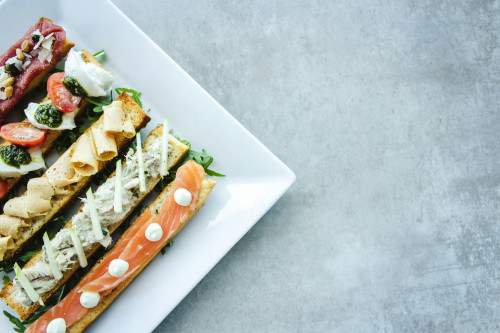

Fruit in Savory Dishes
Fruit doesn’t have to stay in the dessert category. In savory cooking, it can add freshness, sweetness, and acidity that balance richer flavors.
- Apples add crunch and brightness to coleslaw.
- Figs and pears pair beautifully with cheese and cured meats.
- Pomegranate seeds bring color and tang to grain bowls and salads.
Thinking of fruit as a versatile ingredient – not just a sweet treat – opens up endless culinary possibilities.
Taste with Curiosity
Preparing fruit is about more than following recipes – it’s about curiosity. Try baking, grilling, pickling, or freezing your favorite fruits and notice how their flavors evolve. You’ll discover that fruit can be much more than a finishing touch to a meal – it can be a centerpiece of flavor, texture, and creativity.
Læs også: