Explore Different Types of Diving and Strengthen Your Underwater Skills

Explore Different Types of Diving and Strengthen Your Underwater Skills
Diving opens the door to an entirely new world beneath the surface — a world filled with color, calm, and adventure. Whether you dream of exploring coral reefs, shipwrecks, or simply enjoying the feeling of weightlessness, there are many types of diving, each offering unique experiences and challenges. Here’s an overview of some of the most popular forms of diving and how you can develop your skills to make the most of your time underwater.
Recreational Diving – The Classic Starting Point
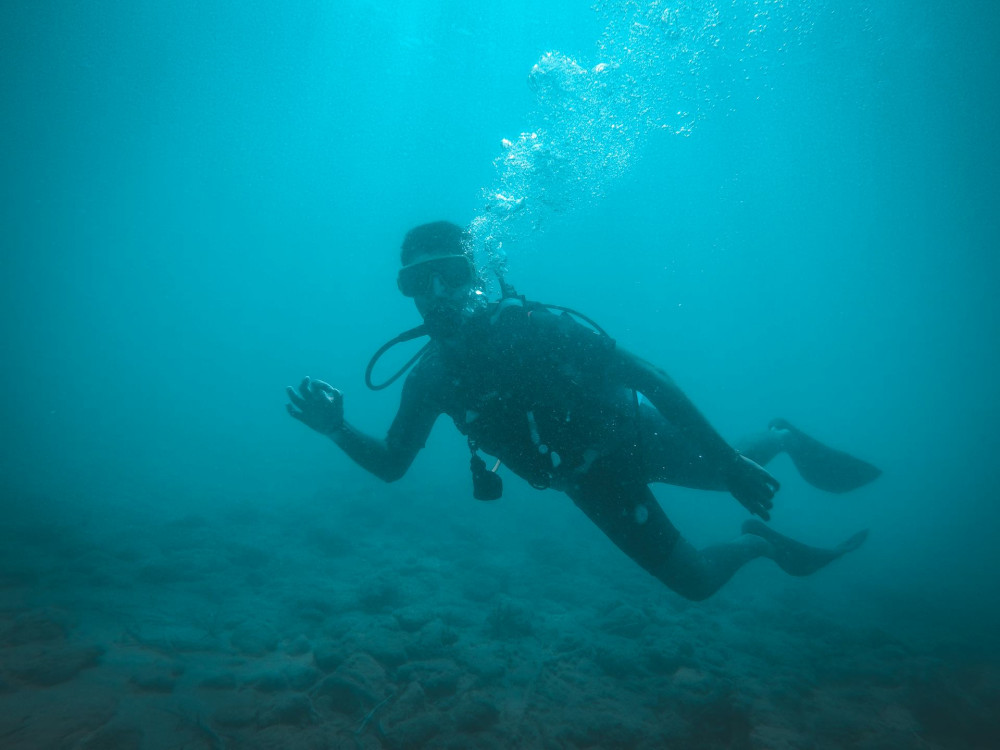
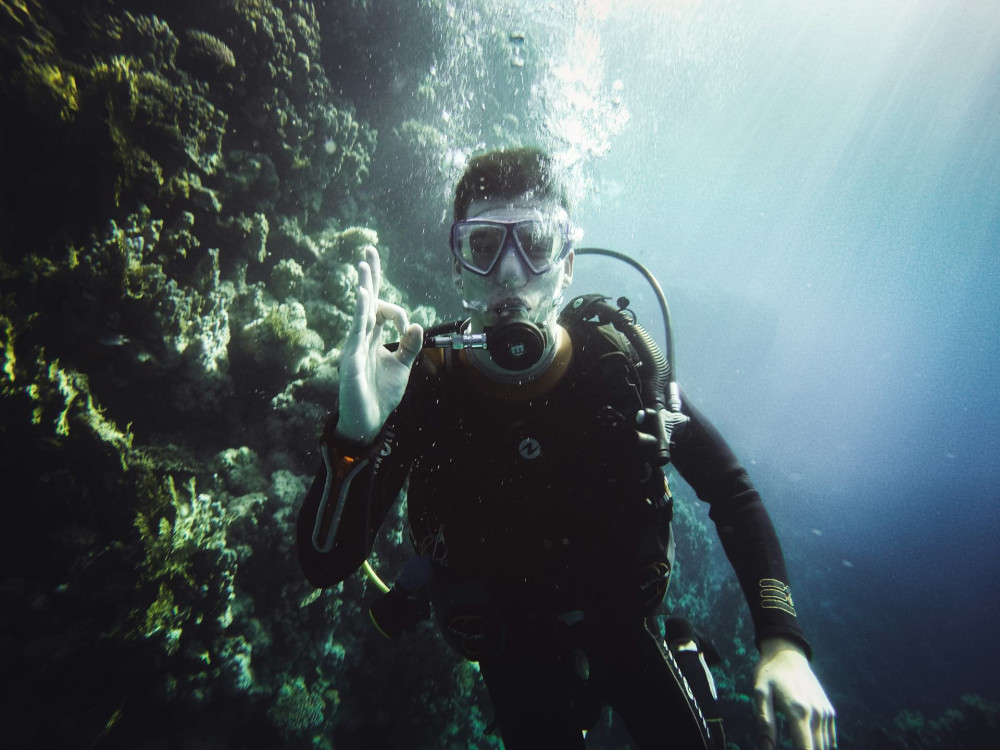
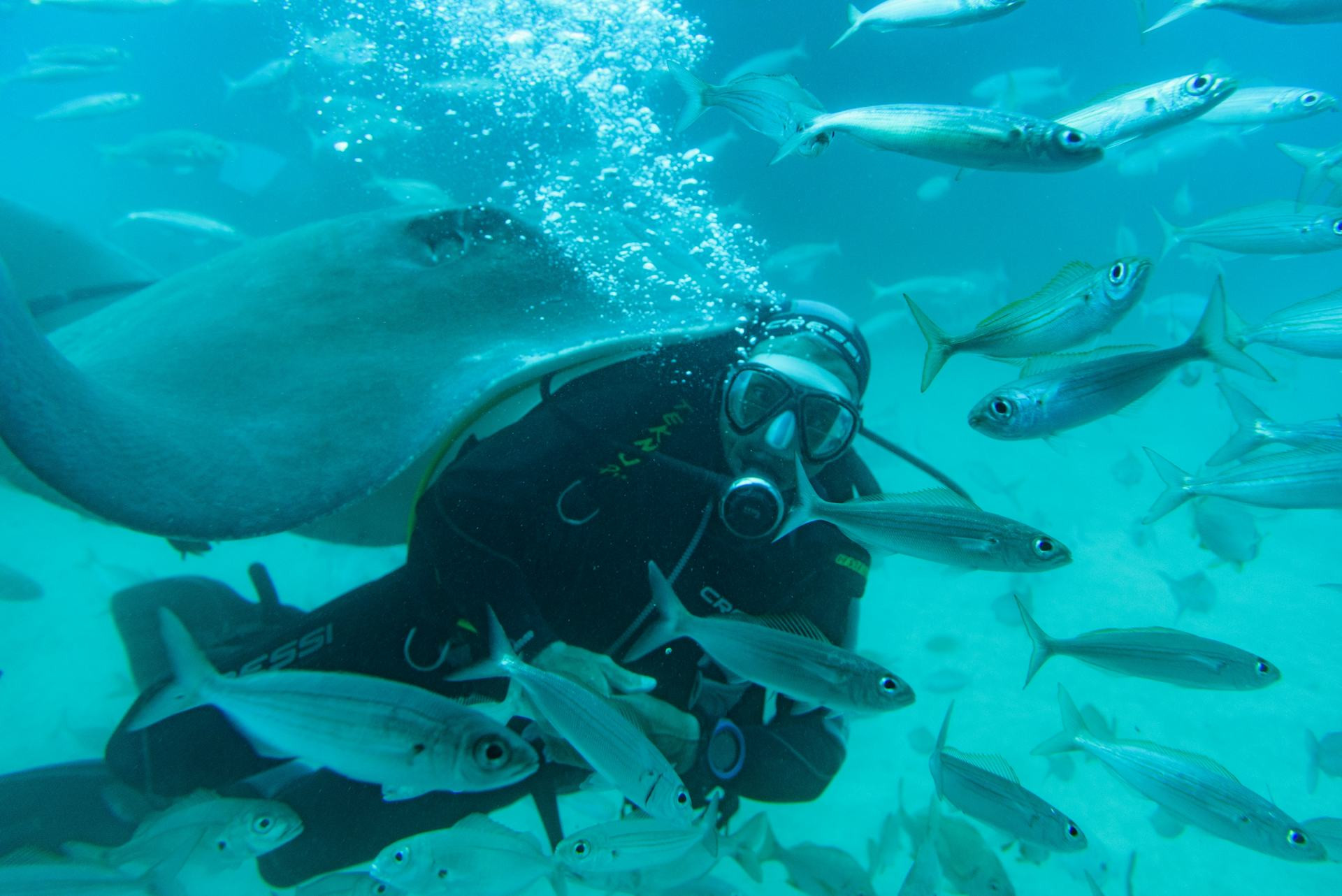
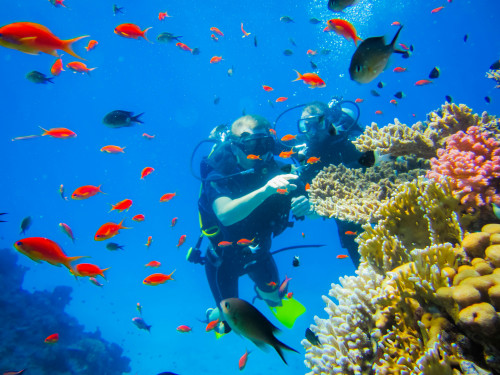
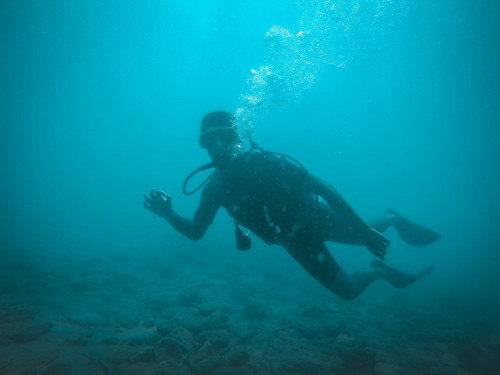
Most divers begin their journey with recreational diving, also known as sport diving. These dives typically go to depths of 60–100 feet (18–30 meters) using standard scuba gear. It’s the most common form of diving and the foundation of certifications like PADI Open Water Diver or NAUI Scuba Diver.
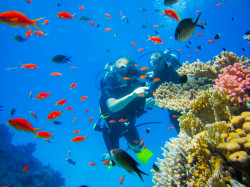
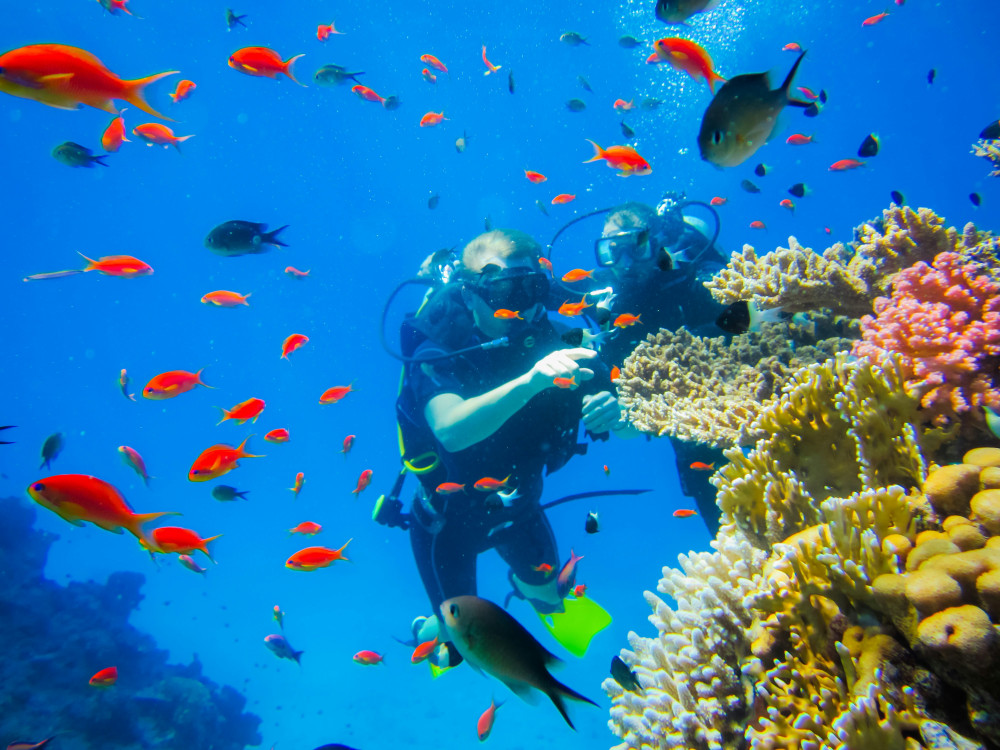
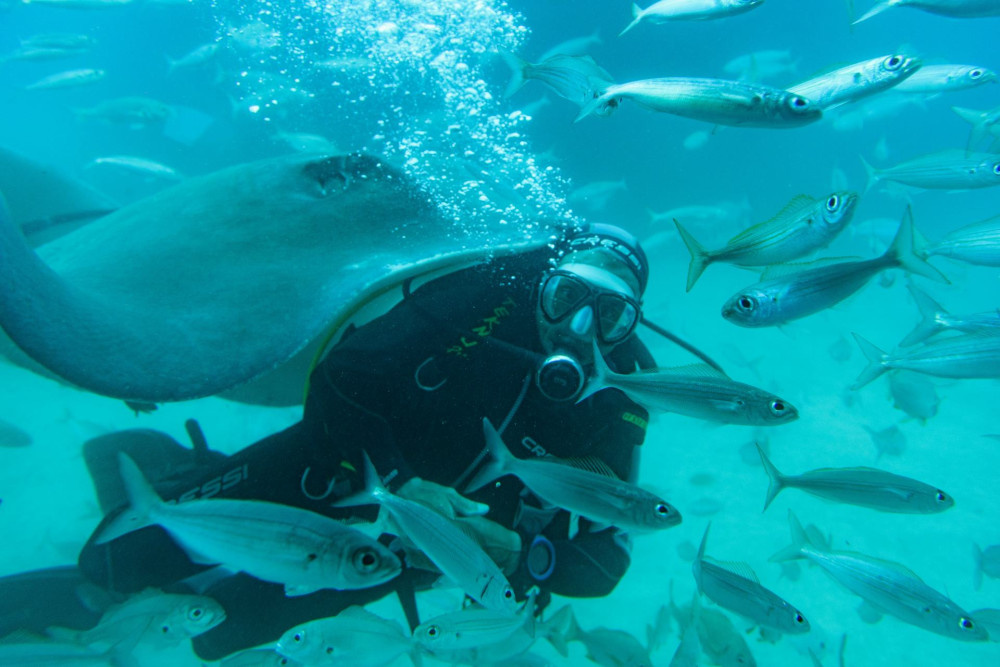
Recreational diving is all about enjoyment — gliding over colorful reefs, observing marine life, and experiencing the serenity of the underwater world. It’s also where you learn essential skills such as buoyancy control, underwater communication, and dive planning.
Once you’ve gained experience, you can advance to courses like Advanced Open Water Diver, where you’ll learn to dive deeper, navigate underwater, and handle more challenging conditions.
Wreck Diving – Exploring History Beneath the Waves
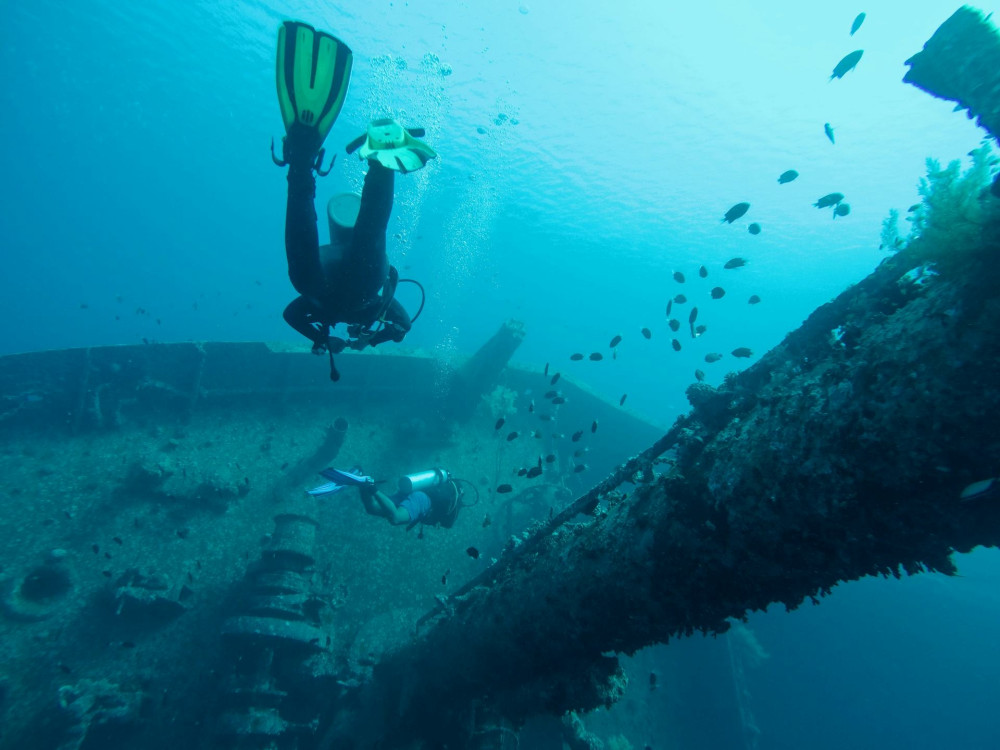
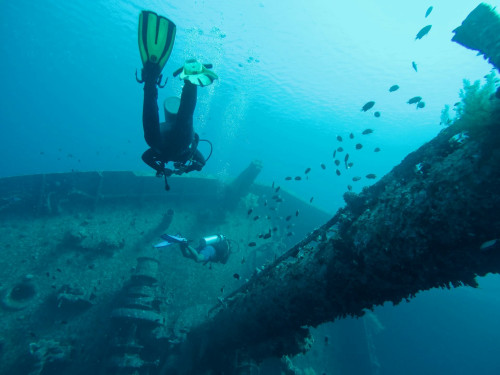
For many divers, wreck diving is one of the most captivating specialties. Swimming through a sunken ship or aircraft feels like stepping into a living piece of history. The U.S. coastline offers countless wrecks to explore — from the WWII wrecks off North Carolina’s “Graveyard of the Atlantic” to the artificial reefs off Florida and California.
Wreck diving requires extra care and training. You need to navigate tight spaces, avoid stirring up sediment, and maintain precise buoyancy. A Wreck Diver certification teaches you how to explore these sites safely and responsibly.
Night Diving – When the Ocean Comes Alive
When the sun sets, the ocean transforms. During a night dive, you’ll witness a completely different world as nocturnal creatures emerge and your dive light reveals colors hidden in daylight. Coral polyps open, lobsters roam, and bioluminescent plankton sparkle in the dark.
Night diving demands preparation and calmness. You’ll need to master navigation with a flashlight, maintain contact with your buddy, and stay oriented in the dark. It’s an unforgettable experience that many divers describe as magical.
Deep and Technical Diving – For the Experienced Explorer
Once you’ve logged many dives and crave greater challenges, you can move into deep or technical diving. These dives often go beyond 130 feet (40 meters) and use specialized equipment such as multiple gas mixes (nitrox, trimix) and additional tanks.
Technical diving requires extensive training and careful planning, as the risks increase with depth. However, it opens the door to extraordinary experiences — exploring deep wrecks, underwater caves, or participating in scientific expeditions.
Freediving – Focus, Breath, and Freedom
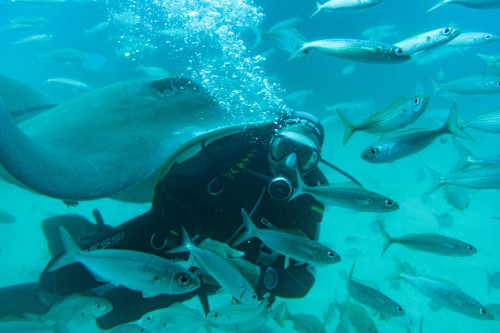
Not all diving requires heavy equipment. Freediving is about diving on a single breath — a discipline that combines technique, breath control, and mental focus. It’s a peaceful and intimate way to connect with the ocean, allowing you to move silently among marine life.
Freediving can be practiced recreationally or competitively, with training focused on breath-hold duration and depth. It requires awareness and respect for your body’s limits but offers a unique sense of freedom and mindfulness.
Læs også:
Cold-Water and Ice Diving – Adventure in the Chill
For the adventurous, cold-water and ice diving offer a completely different kind of thrill. Diving in lakes or coastal waters near freezing temperatures demands dry suits, specialized gear, and solid experience — but the reward is crystal-clear water and breathtaking underwater landscapes.
In the U.S., you can experience incredible cold-water diving in places like the Great Lakes, Puget Sound, or Alaska’s fjords. These environments reveal kelp forests, shipwrecks, and marine life that thrive in cooler waters.
How to Strengthen Your Diving Skills
No matter which type of diving you choose, there’s always room to grow. Here are some ways to become a better diver:
- Take advanced courses – Specialty training in navigation, buoyancy, or rescue diving builds confidence and safety.
- Dive regularly – Experience is the best teacher. The more you dive, the more natural it feels.
- Maintain your gear – Well-serviced equipment ensures both safety and comfort.
- Improve your fitness and breathing – Good physical condition and calm breathing make you more efficient underwater.
- Dive with experienced partners – You can learn a lot by observing and sharing experiences with others.
Diving as a Lifestyle
For many, diving becomes more than a hobby — it becomes a way of life. It’s not just about seeing beautiful places but about finding peace, focus, and respect for the ocean. Every diver has their own motivation: adventure, community, exploration, or simply the joy of being weightless.
Wherever you are on your diving journey, there’s always something new to discover beneath the surface. The ocean is constantly changing — and so are you, with every dive you take.
Læs også: