Diving Trip with Variety: Plan a Tour of Different Types of Dive Sites

Diving Trip with Variety: Plan a Tour of Different Types of Dive Sites
A diving vacation doesn’t have to mean staying in one place or repeating the same kind of dive. In fact, you can get much more out of your trip by planning a tour that includes different types of dive sites—from colorful coral reefs to historic wrecks and calm lagoons. This approach gives you variety, learning, and unforgettable memories beneath the surface. Here’s how to plan a diving trip full of contrast and adventure.
Start by Choosing a Region and Season
Before booking flights or dives, decide on a region where you can experience several types of diving within reasonable travel distance.
- Caribbean and Central America (for example, Belize, the Bahamas, or the Cayman Islands) offer everything from shallow reefs to blue holes and wall dives.
- Hawaii combines lava formations, sea turtles, and manta ray night dives—all within a few islands.
- Florida is a diver’s playground, with coral reefs in the Keys, freshwater springs in the north, and famous wrecks off the Panhandle.
- Pacific Coast destinations like California or Mexico’s Baja Peninsula feature kelp forests, sea lions, and pelagic encounters.
Always check the best season for diving in your chosen area. Water temperature, visibility, and marine life activity can vary greatly throughout the year and will shape your experience.
Mix Different Types of Diving
A multi-stop trip lets you experience the full range of what the underwater world has to offer. Here are some dive types to combine for a well-rounded adventure:
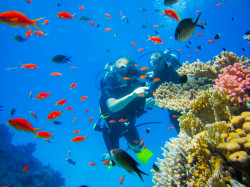
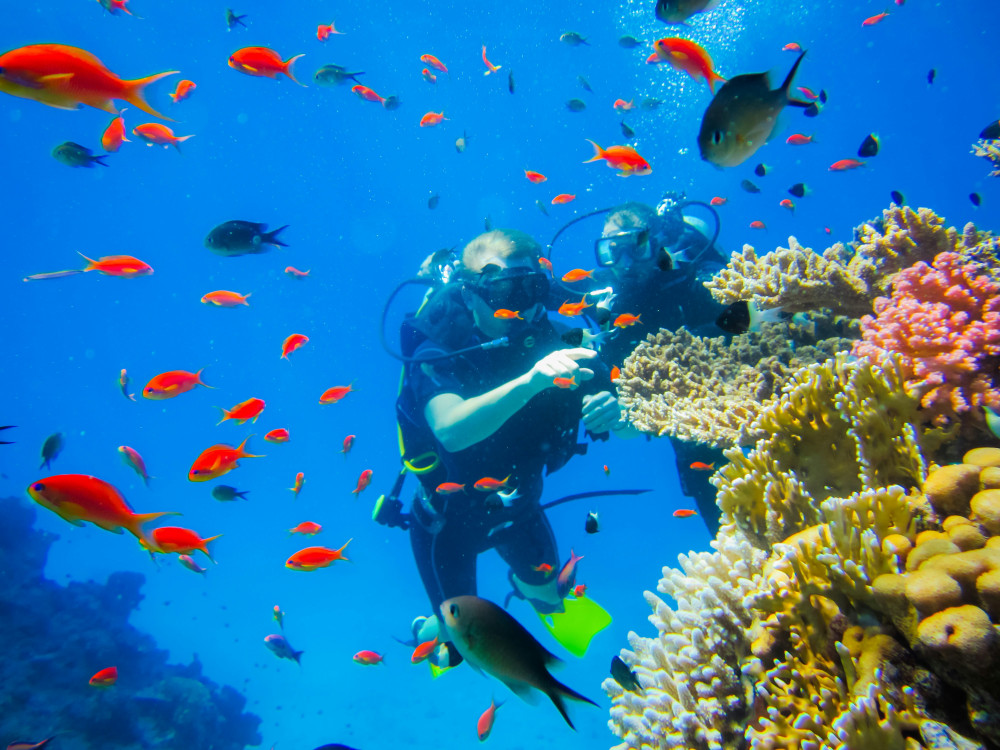
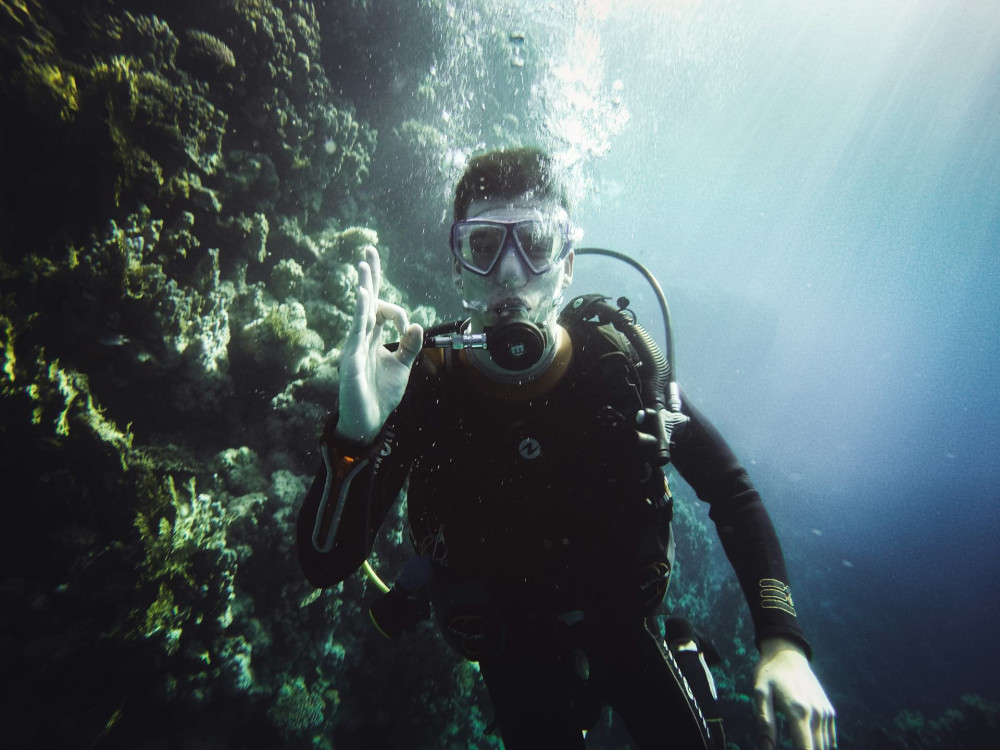
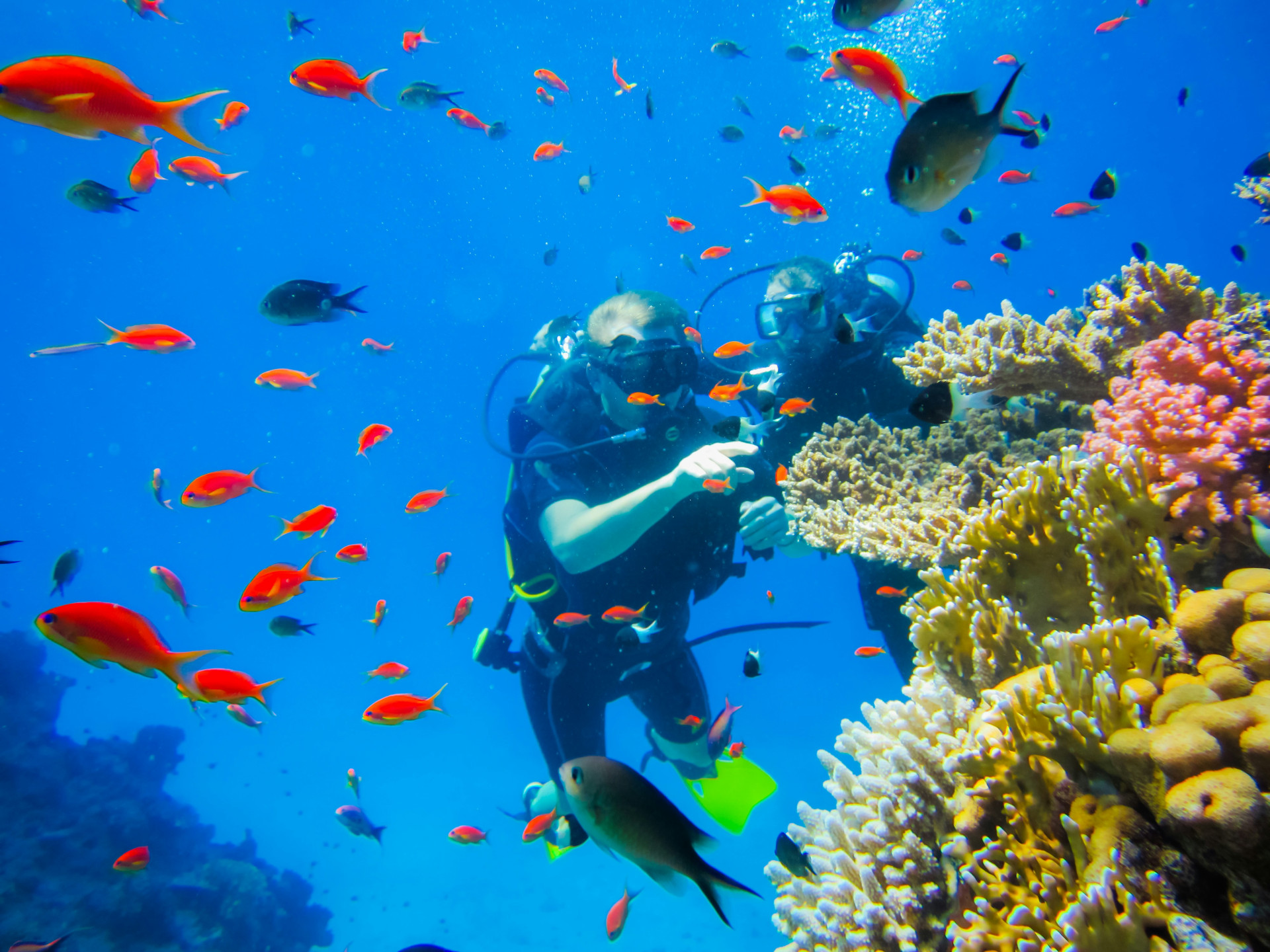
- Coral reef dives – perfect for color, life, and relaxation. Great for underwater photography.
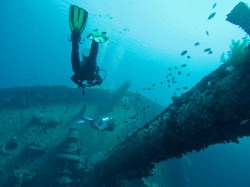
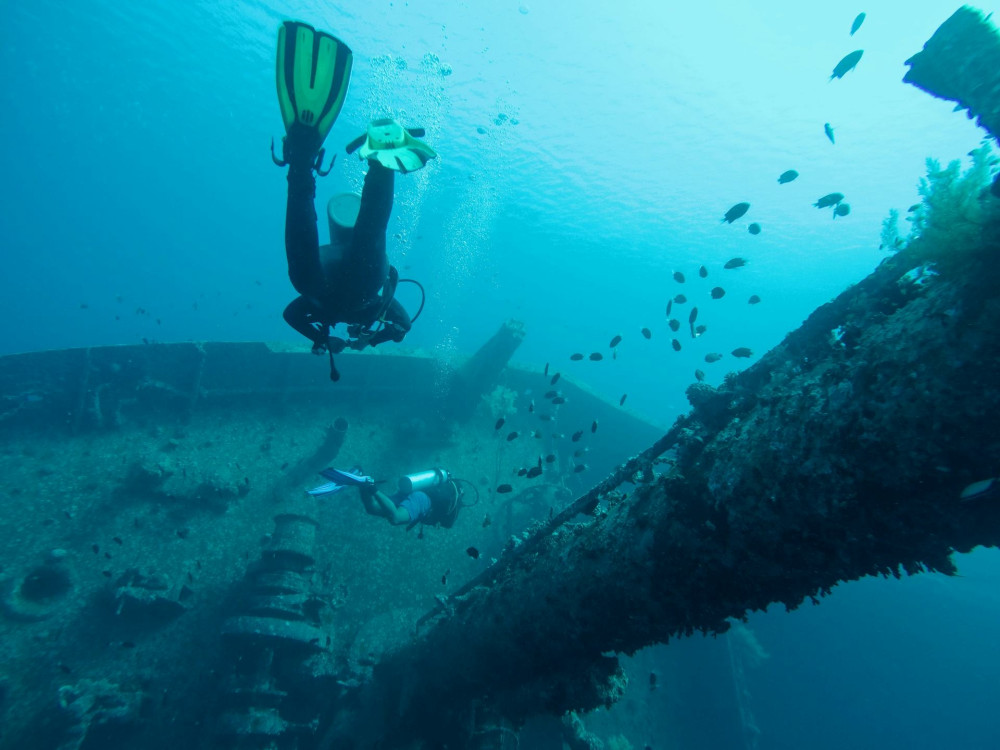
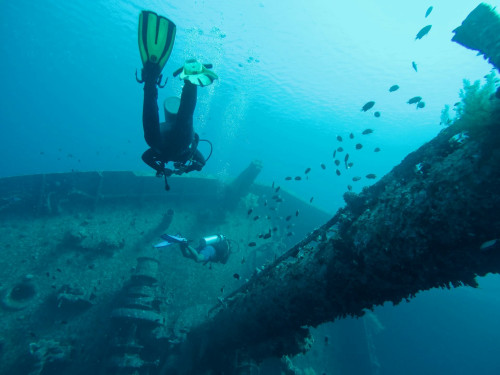
- Wreck dives – explore history firsthand, from sunken ships to artificial reefs.
- Drift dives – let the current carry you past vibrant reefs and schools of fish.
- Macro dives – focus on the tiny and rare, like nudibranchs or seahorses.
- Night dives – discover a completely different world after dark, with glowing plankton and nocturnal creatures.
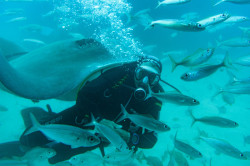
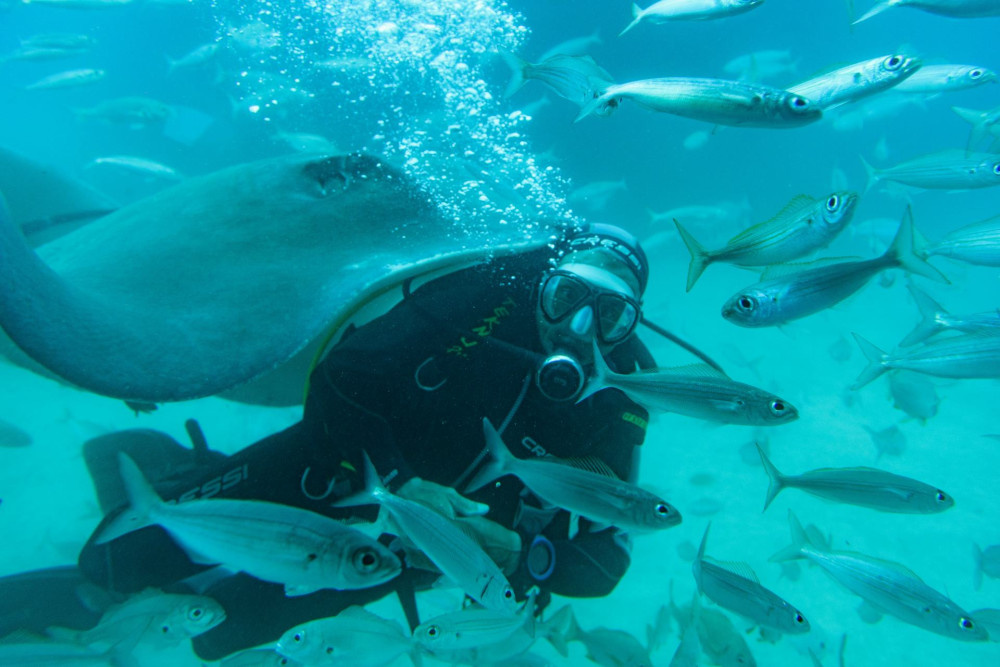
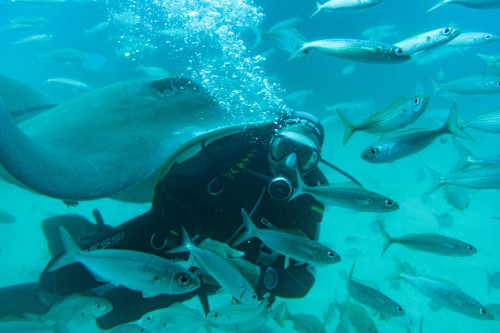
- Big animal dives – for thrill-seekers who want to see sharks, mantas, or even whale sharks.
By planning a route that includes a mix of these, you’ll keep your trip exciting and grow as a diver along the way.
Plan the Logistics—and Build in Rest Days
It’s tempting to dive every day, but rest is essential. Flying after diving requires at least 18–24 hours of surface time, and your body needs recovery. A good rhythm might be to dive for three or four days in one location, take a travel or rest day, and then continue to the next destination. This balance keeps you safe and lets you enjoy topside experiences too.
Consider your mode of travel: in some regions, a liveaboard (a dive boat with accommodations) is the best way to reach remote sites. In others, you can combine land-based dive centers with short flights or ferry rides between islands.
Gear and Preparation
For a longer dive tour, practical planning makes a big difference.
- Bring your own mask, regulator, and dive computer for comfort and reliability.
- Rent BCDs and tanks locally to save weight and baggage fees.
- Make sure you have travel insurance that covers scuba diving—many standard policies don’t.
- Carry your certification cards and logbook, as dive operators often require proof of experience.
- Pack a wetsuit or drysuit suited to the water temperature, which can vary widely between destinations.
Enjoy the Surface Too
A diving trip isn’t only about what’s underwater. Many top dive destinations are also rich in culture, nature, and cuisine. Take a day to hike, visit local markets, or simply relax on the beach. Exploring the land adds depth to your journey and helps you connect with the places you visit.
Læs også:
Dive Responsibly
Diving is about experiencing nature—and protecting it. Choose dive operators that follow sustainable practices, such as avoiding single-use plastics, supporting reef restoration, and respecting local regulations. Never touch corals or marine life, and use reef-safe sunscreen to prevent chemical damage to fragile ecosystems.
A Journey That Makes You a Better Diver
A varied dive tour doesn’t just give you more experiences—it helps you grow as a diver. You’ll learn to adapt to different conditions, currents, and environments, gaining a deeper appreciation for the ocean’s diversity. Whether you’re a beginner or an experienced diver, a well-planned, multi-destination trip can become one of the most rewarding ways to explore the world—one breath at a time.
Læs også: