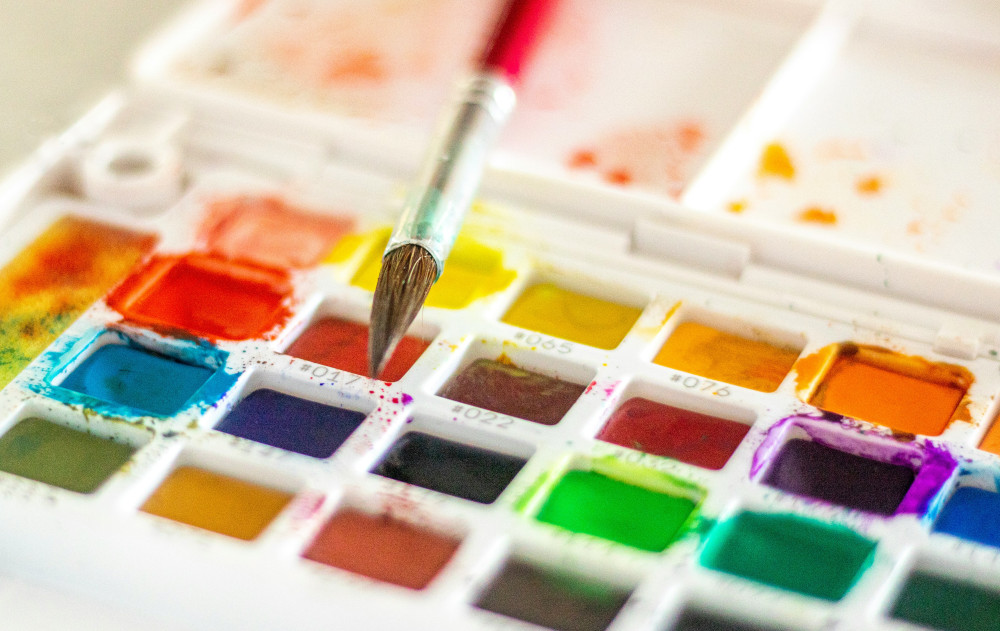
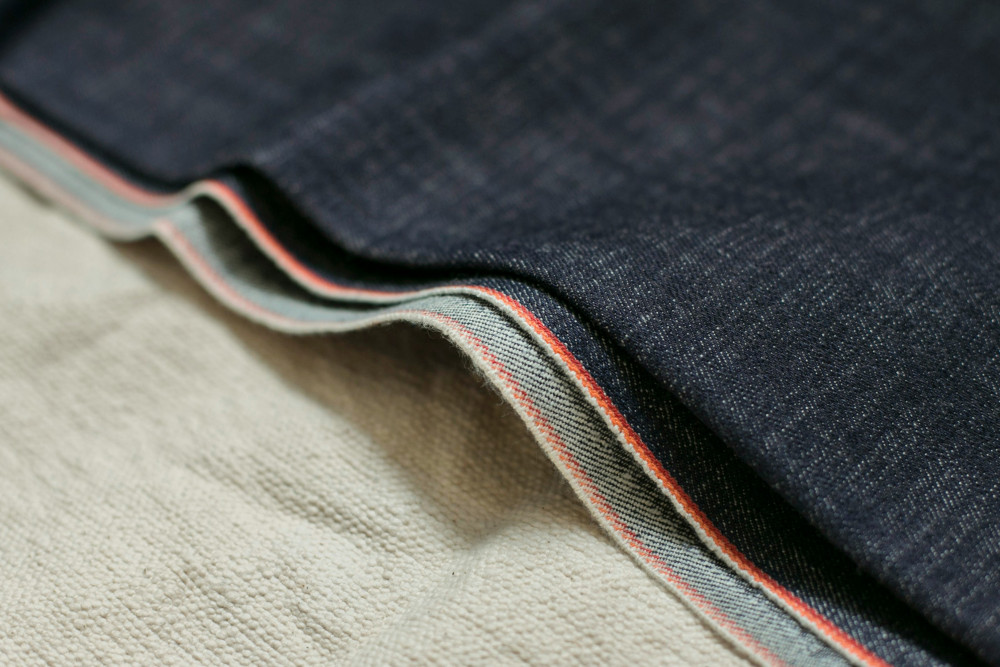
How to find your passion in creative leisure activities
Discover how to discover and develop your passion for creative hobbies. This e-book guides you through various possibilities from painting to needlework and helps you find the activity that brings you joy and challenges.
Get the e-book

Check Your Diving Gear Before the Trip – How to Spot Wear and Damage in Time

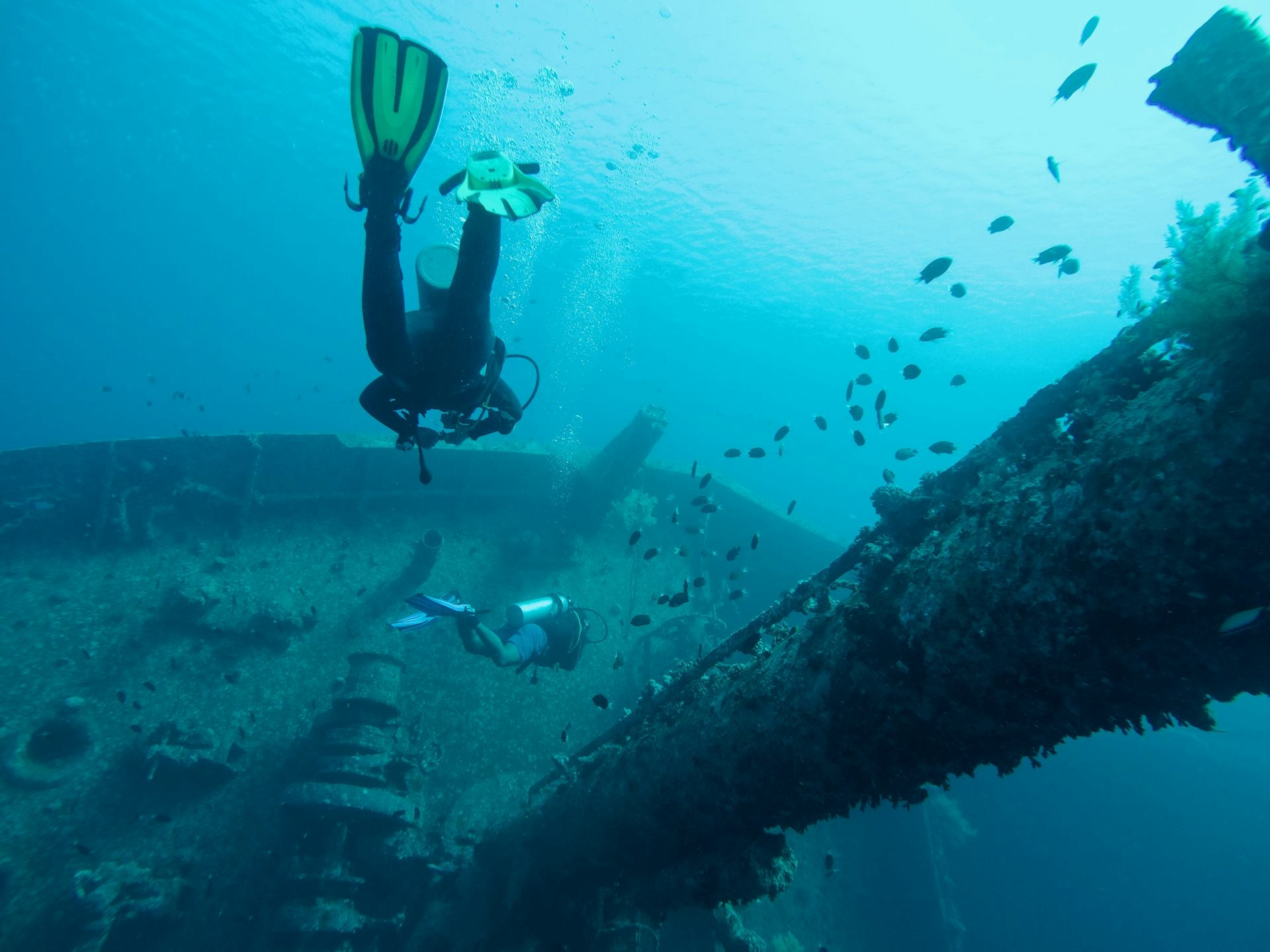
Make every dive safer by checking your equipment before you hit the water
Diving
Diving
3 min
A thorough gear check can make the difference between a smooth dive and a dangerous situation. Learn how to inspect your diving equipment for wear and damage before your trip, so you can dive with confidence and peace of mind.
Isaiah Johnson
Isaiah
Johnson

Check Your Diving Gear Before the Trip – How to Spot Wear and Damage in Time

Make every dive safer by checking your equipment before you hit the water
Diving
Diving
3 min
A thorough gear check can make the difference between a smooth dive and a dangerous situation. Learn how to inspect your diving equipment for wear and damage before your trip, so you can dive with confidence and peace of mind.
Isaiah Johnson
Isaiah
Johnson

Well-maintained diving gear isn’t just about comfort—it’s about safety. Even small signs of wear can lead to serious problems underwater, where you rely completely on your equipment. Before heading out on your next dive trip, take the time to inspect everything carefully. Here’s a practical guide to help you spot wear and damage early and ensure your dives are safe and enjoyable.

Start with a Systematic Inspection

Lay out all your gear on a clean surface so you can see everything at once. Go through it piece by piece, ideally in the order you put it on—from mask and snorkel to fins, wetsuit or drysuit, BCD, regulator, and tanks. This method helps you stay organized and ensures nothing is overlooked.

Mask, Snorkel, and Fins

These may seem like simple items, but they’re essential for comfort and safety.

  • Mask: Check the silicone skirt for cracks, discoloration, or stiffness. Even tiny splits can cause leaks. Inspect the strap for wear or brittleness.
  • Snorkel: Make sure the purge valve (if it has one) works properly and that the tube is free of cracks or blockages.
  • Fins: Look for cracks in the blades and check the straps and buckles for wear. A broken strap can end a dive quickly.

Rinse all gear in fresh water after every dive—this helps prevent salt buildup and makes it easier to spot early signs of wear.

Wetsuit or Drysuit

Your suit protects you from cold and abrasions, but only if it fits well and stays watertight.

  • Wetsuit: Inspect seams and zippers. If the zipper sticks, apply a silicone lubricant. Check for thinning or stiff neoprene, especially around knees and elbows.
  • Drysuit: Examine wrist and neck seals for cracks or tears. Test zippers and valves, and perform a leak test if you suspect any issues. Even a small leak can make a dive uncomfortable—or dangerous in cold water.

BCD – Your Buoyancy Control Device

Your BCD is one of the most critical pieces of safety equipment. It must hold air without leaking.

  • Inflate the BCD fully and let it sit for 10–15 minutes. If it loses air, there’s likely a leak.
  • Check inflator and dump valves for sand, salt, or corrosion. Rinse them thoroughly in fresh water.
  • Inspect straps, buckles, and stitching, especially around the shoulders and waist.

A malfunctioning BCD can make buoyancy control difficult and increase the risk of accidents.

Regulator and Gauges

Your regulator is your lifeline underwater, so give it special attention.

  • Visual check: Look for cracks in hoses, corrosion on metal parts, and loose fittings.
  • Function test: Connect it to a tank, open the valve slowly, and listen for leaks. Make sure the airflow is smooth and that the pressure gauge reads accurately.
  • Service: Have your regulator serviced by a certified technician at least once a year, even if it looks fine. Internal parts can wear out without visible signs.

Tanks and Valves

Your tanks must be in good condition and meet inspection requirements.

  • Check for rust, dents, or other surface damage.
  • Make sure the valve turns smoothly and that the O-ring is intact.
  • Verify that the tank’s hydrostatic test date is current. In the U.S., tanks must be hydro-tested every five years and visually inspected annually. An expired test means the tank cannot be filled.

Accessories and Safety Gear

Don’t forget the smaller items that can make a big difference.

  • Dive computer: Ensure the battery is charged and the display works properly. Confirm that the settings match your planned dive.
  • Lights: Test both primary and backup lights, and pack extra batteries.
  • Knife or line cutter: Make sure it’s sharp and easy to reach.
  • Signaling devices: Check your surface marker buoy, whistle, and mirror to ensure they’re in good condition.

After the Dive – Maintenance Matters

Post-dive care is just as important as pre-dive checks. Rinse all gear in fresh water, let it dry in the shade, and store it in a cool, dry place. Avoid direct sunlight, as UV rays can degrade materials over time.

It’s a good idea to keep a simple gear log noting when each item was last serviced and any issues you’ve noticed. This helps you plan maintenance and avoid unpleasant surprises.

A Safe Dive Starts on Land

Checking your gear might feel routine, but it’s one of the most important safety steps you can take. A few extra minutes on land can prevent problems underwater—and give you peace of mind to fully enjoy your dive.

So before you pack for your next trip, remember: safety begins with a thorough gear check.

Diving Trip with Variety: Plan a Tour of Different Types of Dive Sites
Discover the thrill of exploring diverse underwater worlds on one unforgettable trip
Diving
Diving
Scuba Diving
Travel Planning
Adventure
Marine Life
Dive Travel
6 min
Turn your next diving vacation into a journey of discovery by combining different types of dive sites—from vibrant coral reefs to mysterious wrecks and tranquil lagoons. Learn how to plan a varied itinerary that keeps every dive fresh, exciting, and full of new experiences.
Ben Anderson
Ben
Anderson
From Steel to Titanium and Carbon Fiber: How Modern Materials Have Transformed Diving Gear
Discover how cutting-edge materials are redefining the way divers explore the underwater world
Diving
Diving
Diving Gear
Materials Science
Underwater Exploration
Technology
Innovation
2 min
From the early days of heavy steel tanks to today’s sleek titanium and carbon fiber gear, material innovation has revolutionized diving. Learn how modern engineering has made equipment lighter, stronger, and safer—transforming the experience for divers everywhere.
Sarah Torres
Sarah
Torres
Explore Different Types of Diving and Strengthen Your Underwater Skills
Discover the many ways to dive and uncover the wonders hidden beneath the waves
Diving
Diving
Diving
Underwater Exploration
Adventure Travel
Scuba Training
Marine Life
7 min
From colorful coral reefs to mysterious shipwrecks and icy underwater landscapes, diving offers endless opportunities for exploration and growth. Learn about different types of diving and how to enhance your skills for safer, more rewarding underwater adventures.
Elijah Scott
Elijah
Scott
Check Your Diving Gear Before the Trip – How to Spot Wear and Damage in Time
Make every dive safer by checking your equipment before you hit the water
Diving
Diving
Scuba Diving
Diving Safety
Equipment Maintenance
Dive Travel
Underwater Adventure
3 min
A thorough gear check can make the difference between a smooth dive and a dangerous situation. Learn how to inspect your diving equipment for wear and damage before your trip, so you can dive with confidence and peace of mind.
Isaiah Johnson
Isaiah
Johnson
Fix Your Wetsuit Yourself: Simple Methods for Small Repairs
Keep your wetsuit in top shape with easy at-home repair techniques
Diving
Diving
Wetsuit Repair
Surfing
Diving
Water Sports
DIY
3 min
Don’t let small rips or leaks keep you out of the water. Learn how to fix minor wetsuit damage yourself with simple tools and methods that save money and extend your gear’s lifespan.
Lucas Young
Lucas
Young
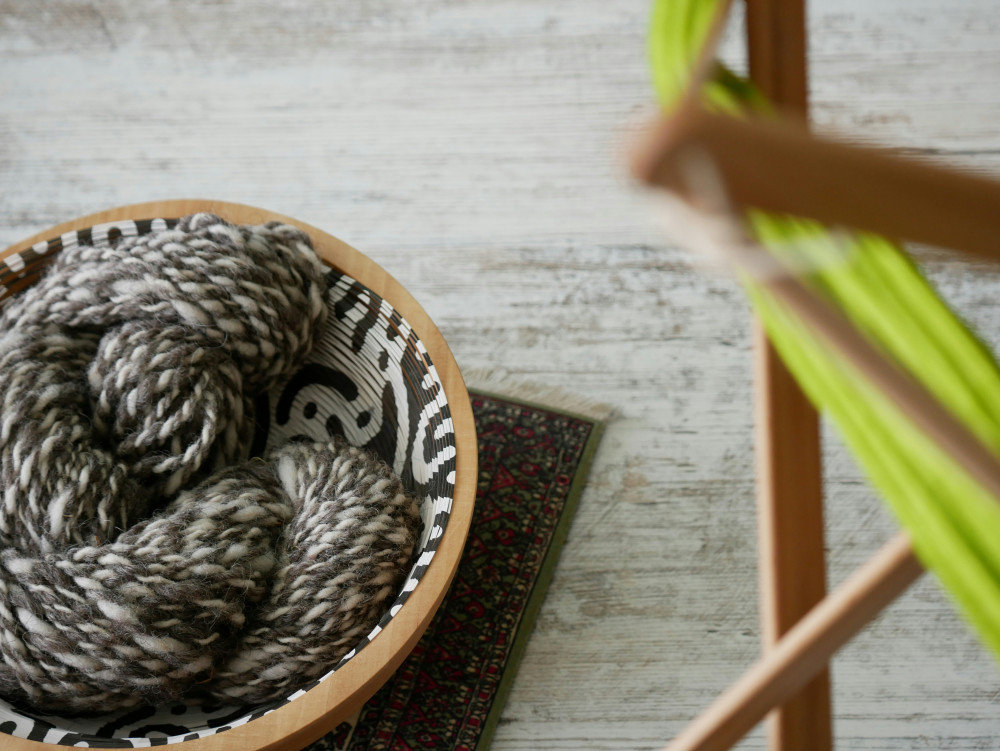
Yarn bowls – let yourself be inspired by shapes and materials
Make your knitting time more comfortable with a practical and beautiful yarn bowl
Hobby
Hobby
Yarn bowl
Handicraft
Knitting
Crochet
Creative leisure
4 min
Yarn bowls combine function and aesthetics in handicrafts. Get an overview of different shapes and materials, and find inspiration for the yarn bowl that best suits your style and creative space.
Ben Anderson
Ben
Anderson
Canvases – see the selection and get inspired
Create your own artworks with the right canvas as a foundation
Hobby
Hobby
Canvas
Creative hobby
Art
Paint
Inspiration
2 min
Find inspiration for your next painting project with our overview of canvases. Read about materials, sizes and surfaces and get a better foundation for choosing the canvas that suits your creative style.
Sarah Torres
Sarah
Torres
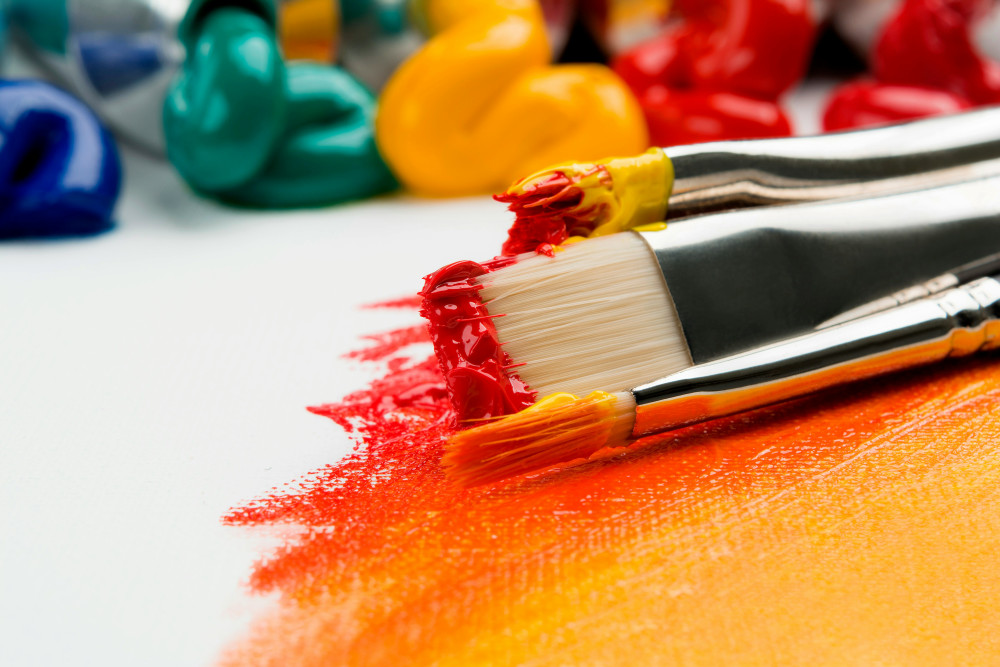
Create your own artworks with acrylic paints in many variations
Unleash your creativity with colours that suit every idea
Hobby
Hobby
Acrylic paint
Creative hobby
Art
Painting
Material
2 min
Discover the many possibilities of acrylic paint – from classic primary colours to special effects and professional ranges. The article provides an overview of types, properties and areas of application so that you can find the paint that suits your creative projects.
Elijah Scott
Elijah
Scott
Watercolour paintings – overview of options for both beginners and advanced
Find the right colours and tools to express your creativity with watercolour
Hobby
Hobby
Watercolour painting
Creative hobby
Art
Painting equipment
Inspiration
2 min
Watercolour painting opens up creative expression in both simple and advanced techniques. Get an overview of the different types of paint, qualities and formats, so you can choose the set that best suits your level and preferences.
Isaiah Johnson
Isaiah
Johnson
Hobby paints – Inspiration for new creative forms of expression
Let your imagination run wild with colours that bring your ideas to life
Hobby
Hobby
Hobby paints
Creativity
DIY
Art
Leisure projects
5 min
Find inspiration for your creative projects with hobby paints. The article provides an overview of different types of paints and their possible applications, so you can choose the products that best suit your ideas and materials.
Lucas Young
Lucas
Young
Denim fabrics explained – understand the properties of the materials
Get a handle on the differences before you choose fabric for your next sewing project
Make it yourself
Make it yourself
Denim
Sewing
Textiles
Hobby
Material science
4 min
Denim comes in many varieties with different weaves, weights and properties. Read how to choose the right denim fabric for your project, and gain insight into what characterises the most popular types.
Ben Anderson
Ben
Anderson
Gather ideas for new projects with a selection of embroidery kits
Unleash your creativity with colours, patterns and inspiration for new craft projects
Make it yourself
Make it yourself
Embroidery
Crafts
Creative Hobby
DIY
Inspiration
5 min
Find inspiration for your next creative project with a selection of embroidery kits. The article provides an overview of different types of sets so you can easily choose the one that suits your style and experience.
Sarah Torres
Sarah
Torres