Use Your Gears Right: How to Get More Out of Your Bike Training

Use Your Gears Right: How to Get More Out of Your Bike Training
Cycling isn’t just about pushing hard on the pedals – it’s about using your energy wisely. Whether you ride for fitness, commute to work, or train for your next race, knowing how to use your gears properly can make a big difference in both performance and enjoyment. Here’s how to get the most out of your gears – and your bike training.
Why Gears Matter
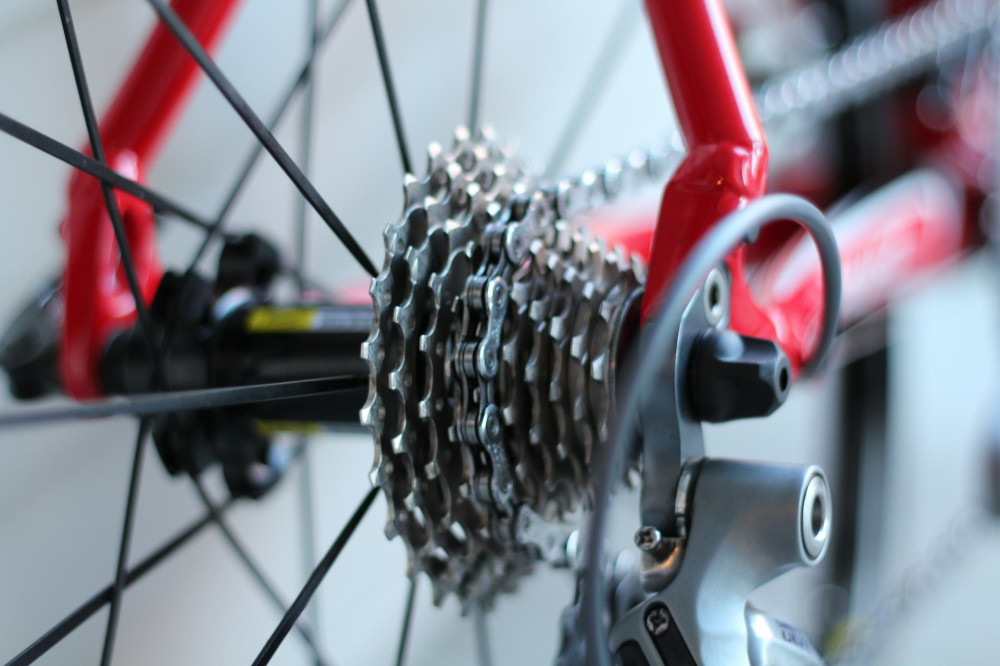
Your bike’s gears aren’t just there for show. They help you adjust resistance so you can maintain a steady pedal stroke and avoid overloading your muscles and joints. The right gear choice makes it easier to keep a consistent cadence – the rate at which you pedal – and that’s the key to efficient cycling.
A good rule of thumb is to aim for a cadence of about 80–100 revolutions per minute on flat terrain. If you feel like you’re grinding too hard or spinning too fast without resistance, it’s time to shift.
Læs også:

Learn to Read the Terrain
One of the most important aspects of using your gears effectively is anticipating what’s ahead. Many riders make the mistake of shifting only after a hill already feels tough – but by then, it’s often too late.
- Before a climb: Shift into an easier gear before you hit the hill. That way, you can keep your rhythm as the resistance increases.
- At the top: As you crest the hill, gradually shift into a harder gear to pick up speed on the descent.
- In a headwind: Use lighter gears and maintain a steady cadence – it’ll save energy over time.
- With a tailwind or downhill: Shift into a harder gear so you can take advantage of the speed without spinning out.
Learning to read the road and shift early takes practice, but it’s one of the most valuable skills you can develop as a cyclist.
Find Your Rhythm – and Keep It
A steady rhythm is more important than constant speed. Experienced riders talk about “pedaling circles” – applying power smoothly through the entire pedal stroke instead of mashing down. It takes practice, but it makes your riding more efficient and easier on your body.
Try to maintain the same cadence whether you’re climbing, descending, or riding on flat ground. Use your gears actively to adjust resistance and preserve your rhythm. It’s better to shift often than to struggle in the wrong gear for too long.
Avoid Common Gear Mistakes
Even seasoned cyclists sometimes misuse their gears. Here are a few common mistakes – and how to avoid them:
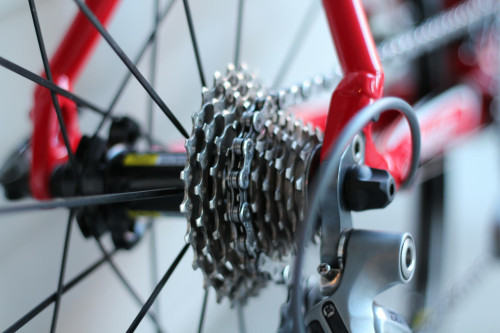
- Cross-chaining: When your chain is on the smallest chainring in front and the smallest cog in back (or the largest in both), it wears out faster and shifts poorly. Keep the chain as straight as possible.
- Shifting too late: Shift while you’re still pedaling smoothly – not under heavy load.
- Not shifting enough: Many riders forget to use their gears actively. Shift often and adjust as conditions change.
- Pushing too hard: Riding in too heavy a gear can strain your knees and tire you out quickly. Ease up on the resistance and keep your cadence up.
Train Your Technique
If you want to improve your cycling performance, practice using your gears deliberately. Try these drills:
- Cadence training: On flat roads, ride in an easy gear and maintain a high cadence for 5–10 minutes at a time. This builds endurance and refines your technique.
- Hill practice: Find a moderate hill and practice shifting before you lose your rhythm.
- Intervals: Alternate between light and heavy gears in short bursts to train both strength and control.
The better you get at using your gears, the more efficiently you’ll use your energy – and the more fun you’ll have on the bike.
Maintenance Makes a Difference
Even the best gear system only works well if it’s properly maintained. Keep your chain clean and lubricated, and make sure your gears shift smoothly. If your chain skips or your shifting feels rough, it might be time for an adjustment or a visit to your local bike shop.
A well-tuned drivetrain not only improves your ride but also extends the life of your bike.
Use Gears as a Tool – Not a Challenge
Mastering your gears isn’t about technical know-how for its own sake – it’s about making your cycling smoother, more efficient, and more enjoyable. Once you understand how your gears work with your rhythm and the terrain, riding becomes easier and more rewarding.
So next time you hop on your bike, play around with your gears. Listen to your bike, feel the pedal stroke – and find the rhythm that works best for you.
Læs også: