How to Stay Hydrated on Your Bike Ride – No Matter the Weather

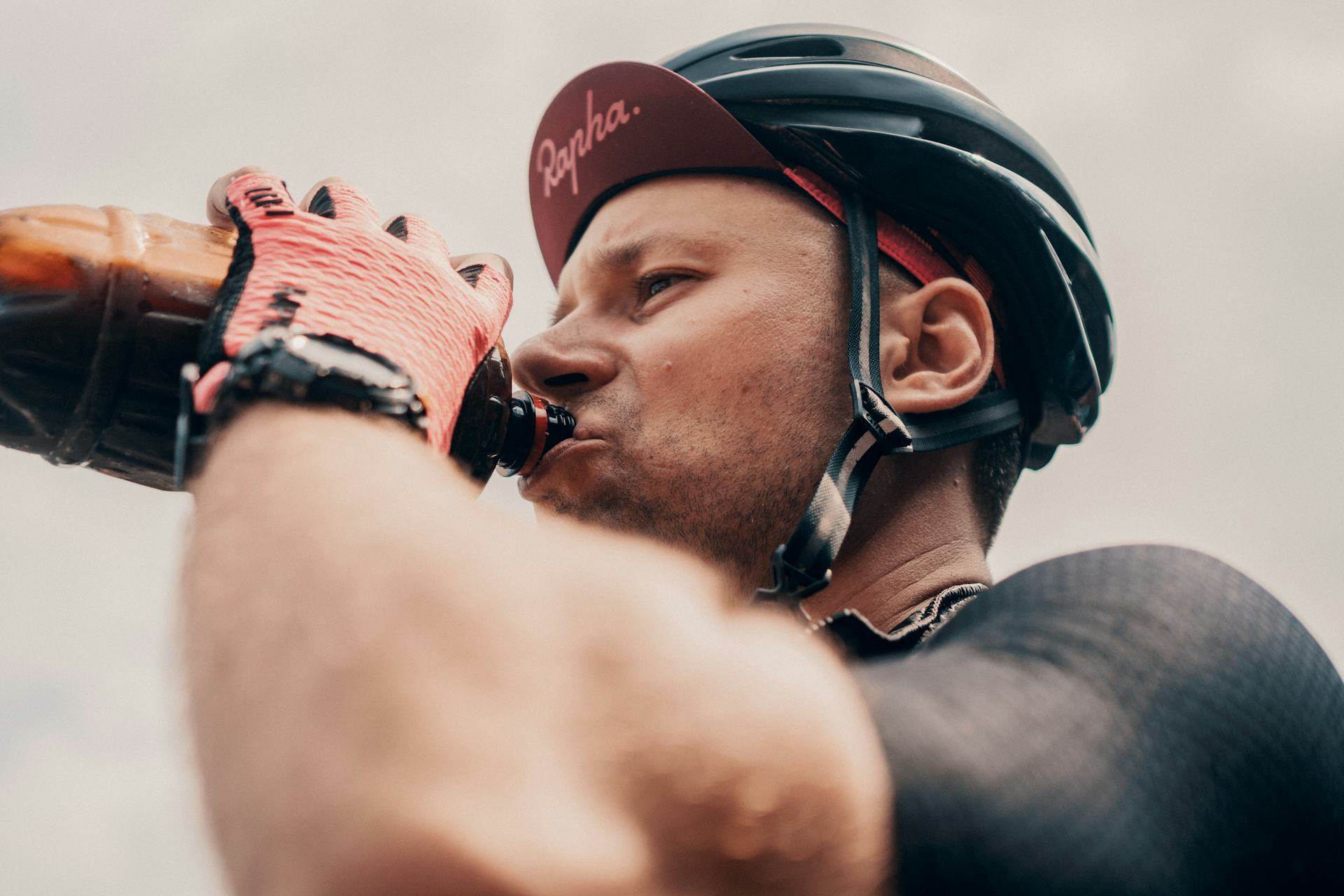
How to Stay Hydrated on Your Bike Ride – No Matter the Weather
Whether you’re commuting to work, training for a charity ride, or heading out for a weekend adventure, staying properly hydrated is key to both performance and comfort. Too little fluid can lead to fatigue, headaches, and poor focus – too much can upset your stomach and throw off your electrolyte balance. Here’s how to keep your hydration on point, no matter what the weather brings.
Why Hydration Matters
When you ride, your body generates heat and cools itself by sweating. Sweat isn’t just water – it also contains electrolytes, especially sodium. Losing too much fluid and salt reduces blood volume, making it harder for your muscles to get oxygen. The result? You tire faster and lose power.
Even a fluid loss of just 2% of your body weight can noticeably reduce performance. That’s why it’s important to drink regularly – not only when you feel thirsty.
Plan Your Hydration Strategy
Good hydration starts before you even clip in. Drink a couple of glasses of water in the hours leading up to your ride so your body starts off well hydrated. During the ride, your fluid needs depend on several factors:
- Temperature and humidity – the hotter and more humid it is, the more you’ll sweat.
- Intensity – harder efforts mean higher fluid loss.
- Duration – the longer you ride, the more important it becomes to replace both fluids and electrolytes.
As a general guideline, aim for about 16–32 ounces (0.5–1 liter) of fluid per hour during moderate to intense cycling. But always listen to your body and adjust based on conditions.
Læs også:
Choose the Right Drink
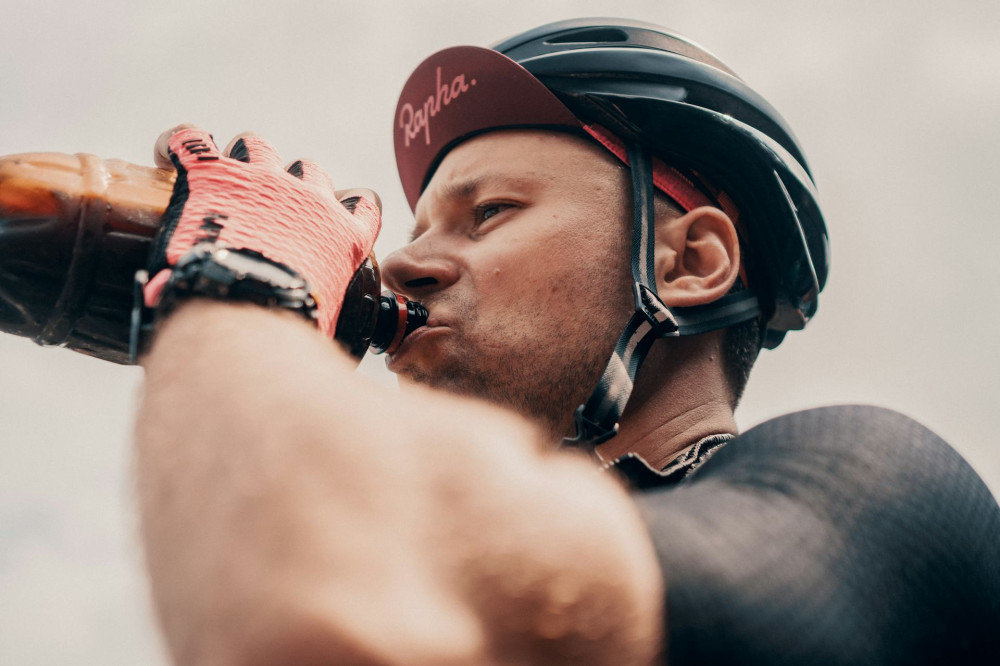
For short rides under an hour, plain water is usually enough. But for longer or more demanding rides, your body needs more than just water.
- Sports drinks – provide both carbohydrates and electrolytes to help maintain energy and salt balance.
- DIY option – mix water with a splash of fruit juice and a pinch of salt for a simple, inexpensive alternative.
- Skip the sugar bombs – sodas and high-sugar energy drinks can cause blood sugar spikes and stomach discomfort.
If you’re riding in cold weather, a warm drink like herbal tea with a bit of honey can be a comforting way to stay hydrated without getting chilled.
Drink According to the Weather
On Hot Days
When the temperature climbs, sweat loss increases dramatically. Take small sips frequently – ideally every 10–15 minutes. Consider carrying two bottles: one with water and one with a sports drink. After your ride, eat something salty to help restore your sodium levels.
On Cold Days
In cold weather, you may not feel as thirsty, but your body still loses fluid through breathing and sweating under your layers. Drink regularly even if you don’t feel the urge. An insulated bottle can keep your drink from getting too cold.
In Rain and Wind
Even when you’re soaked from the outside, you’re still losing fluid from the inside. Rain and wind can make you underestimate your sweat loss because moisture evaporates quickly. Stick to your hydration plan – even when the weather is less than inviting.
After the Ride – Refill Your Tanks
Once you’re off the bike, it’s time to rehydrate. Drink about 16–32 ounces (0.5–1 liter) of fluid within the first half hour after finishing. Pair it with a meal that includes both carbohydrates and protein to help your body recover.
A useful tip: weigh yourself before and after long rides. The difference in weight shows how much fluid you’ve lost and can help you fine-tune your future hydration strategy.
Small Habits, Big Difference
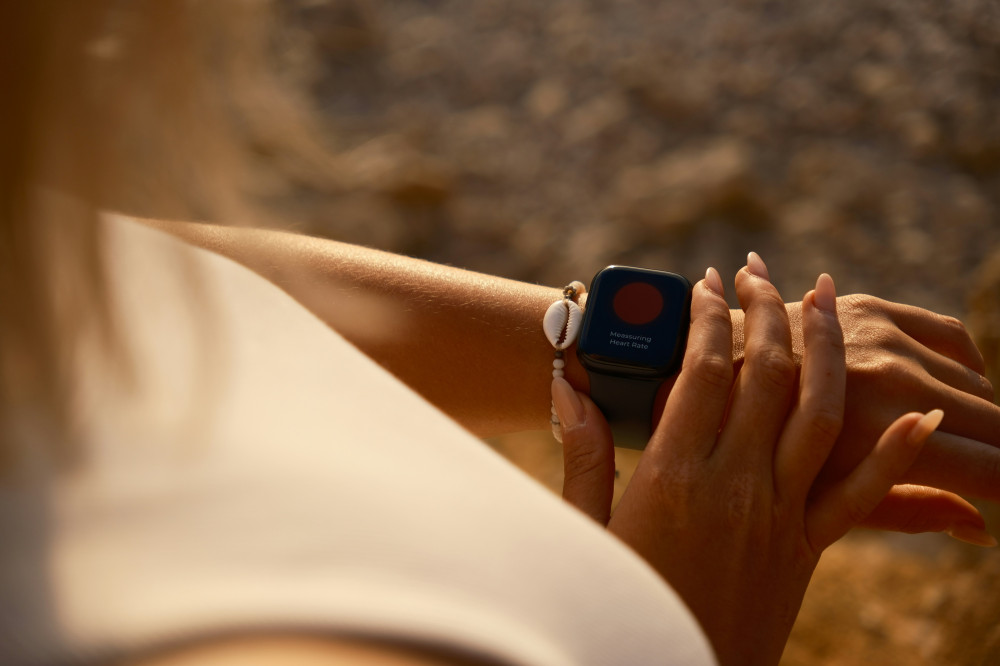
Staying hydrated isn’t just about drinking enough – it’s about making it part of your cycling routine. Fill your bottles before every ride, and set a reminder on your bike computer or watch to take a sip regularly. Over time, you’ll learn to recognize your body’s signals and find the rhythm that works best for you.
With the right preparation and awareness, you can ride farther, feel stronger, and enjoy every mile – rain, shine, or anything in between.
Læs også: