How to find your passion in creative leisure activities
Discover how to discover and develop your passion for creative hobbies. This e-book guides you through various possibilities from painting to needlework and helps you find the activity that brings you joy and challenges.
Get the e-book

How Many Gears Do You Need? How to Choose the Right Bike for Your Terrain

Find the perfect gear setup for your riding style and terrain
Cycling
Cycling
4 min
Whether you’re cruising city streets, tackling mountain trails, or training on open roads, the right number of gears can make all the difference. Learn how to match your bike’s gearing to your terrain and riding goals for a smoother, more enjoyable ride.
Ben Anderson
Ben
Anderson

How Many Gears Do You Need? How to Choose the Right Bike for Your Terrain

Find the perfect gear setup for your riding style and terrain
Cycling
Cycling
4 min
Whether you’re cruising city streets, tackling mountain trails, or training on open roads, the right number of gears can make all the difference. Learn how to match your bike’s gearing to your terrain and riding goals for a smoother, more enjoyable ride.
Ben Anderson
Ben
Anderson

When you’re shopping for a new bike, one of the first questions that comes up is: How many gears do I really need? The answer depends on where and how you ride. More gears can make climbing hills easier and give you flexibility on varied terrain, while fewer gears mean less maintenance and a simpler ride. Here’s a guide to help you choose the right gearing for your needs and your local landscape.

What Does the Number of Gears Mean?

Bike gears let you adjust how hard or easy it is to pedal, helping you maintain a steady rhythm whether you’re climbing, cruising, or descending. A low gear makes pedaling easier on hills, while a high gear helps you go faster on flat roads.

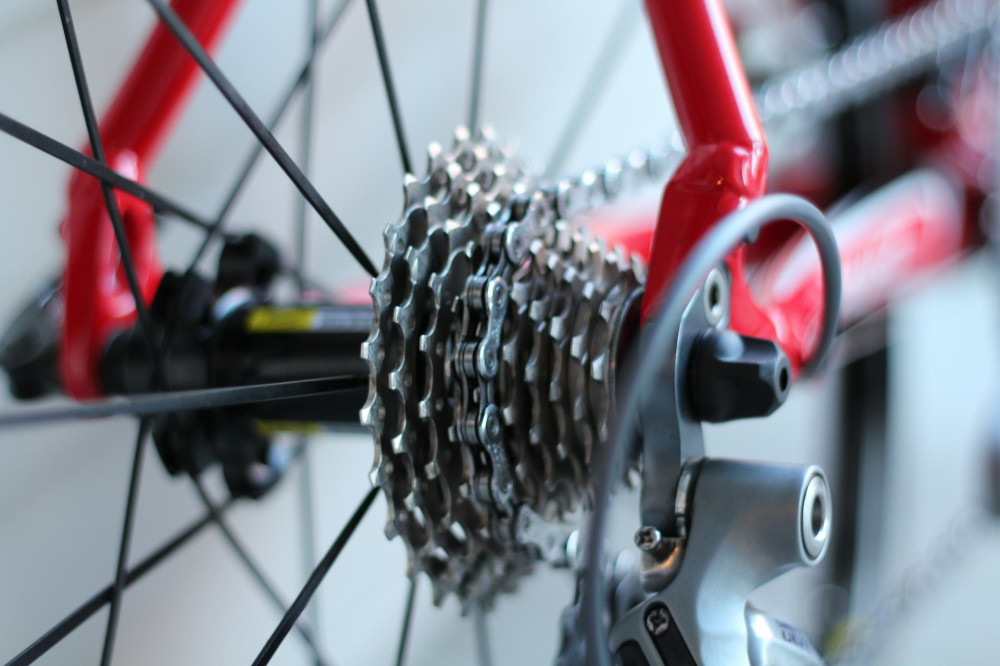
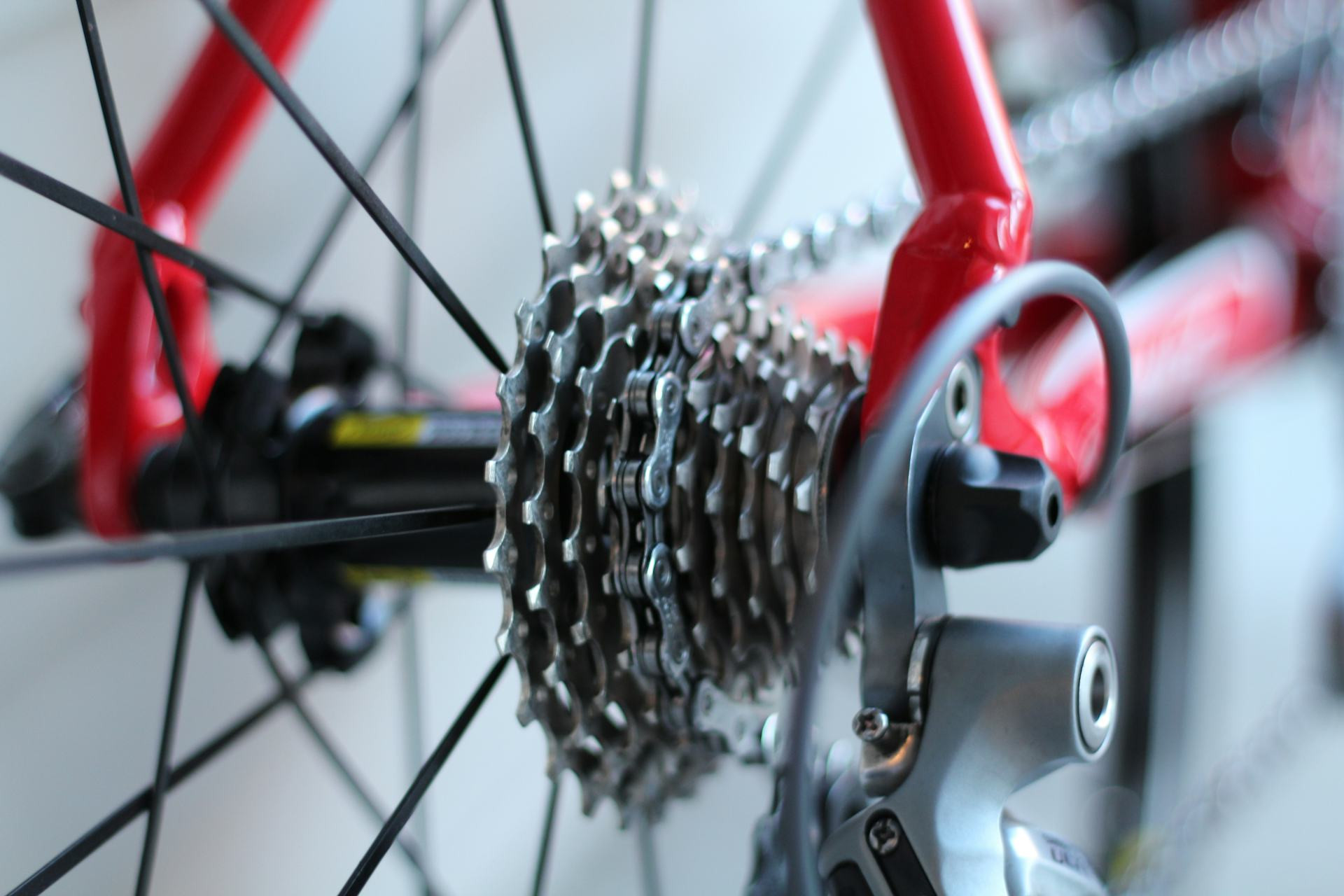
The total number of gears comes from the combination of chainrings in the front and cogs in the back. For example, a bike with two chainrings and 11 cogs has 22 possible gear combinations—but in practice, some overlap, so you won’t use them all.

City Bikes – Simplicity and Reliability

If you mostly ride around town, you probably don’t need a lot of gears. Urban riding is about convenience, reliability, and low maintenance. A bike with 3–7 internal gears is often ideal. Internal gear hubs are sealed from dirt and weather, require little upkeep, and let you shift even when stopped at a red light.

  • 3 gears are perfect for flat cities like Chicago or Miami.
  • 5–7 gears give you a bit more range if your route includes bridges, overpasses, or headwinds.

You’ll find internal gears on commuter bikes, cruisers, and many e-bikes designed for everyday use.

Commuter and Fitness Bikes – For Mixed Terrain

If your daily ride includes longer distances or rolling hills, you’ll benefit from more gears. A bike with 9–18 external gears gives you the flexibility to handle both climbs and descents efficiently.

External gear systems are lighter and more efficient but need more maintenance since the chain and cassette are exposed to the elements. The trade-off is a more responsive and sporty ride—great for paved roads, bike paths, and light gravel.

Mountain Bikes – Built for Steep and Rough Trails

Mountain bikes are designed for constantly changing terrain, where you’re shifting gears all the time. Most modern mountain bikes have 10–12 gears on the rear cassette and a single chainring up front. This setup simplifies shifting while still offering a wide range of gears.

If you ride in hilly areas like the Rockies or the Appalachians, you’ll appreciate the low gears that make steep climbs manageable and the high gears that let you pick up speed on descents.

Road Bikes – Speed and Precision

For road cyclists, gearing is about efficiency and control. Most road bikes have 20–24 gears, with two chainrings in front and 10–12 cogs in back. This setup provides small, precise steps between gears, helping you maintain a smooth cadence as your speed changes.

If you ride mostly on flat routes, you can choose larger chainrings for higher top speeds. For hilly routes, a “compact” setup with smaller chainrings makes climbing easier without sacrificing too much speed on the flats.

E-Bikes – The Motor as an Extra Gear

Electric bikes have changed the way we think about gearing. Since the motor assists your pedaling, you don’t need as many gears to handle hills or headwinds. A 5–8-speed e-bike is usually enough for most riders.

The key is to match the gearing to the motor’s power and assist levels so that pedaling feels natural and comfortable, whether you’re cruising through town or tackling a steep incline.

How to Choose the Right Setup

When deciding on your bike and gearing, consider:

  1. Terrain – Do you live in a flat area or somewhere with lots of hills?
  2. Purpose – Is the bike for commuting, fitness, or recreation?
  3. Maintenance – Do you prefer a low-maintenance setup or high performance?
  4. Comfort – More gears aren’t always better if you rarely use them.

As a general rule:

  • Fewer gears = simplicity and low maintenance.
  • More gears = flexibility and efficiency on varied terrain.

Conclusion: It’s All About Balance

There’s no single “right” number of gears—it depends on you and where you ride. A 3-speed city bike might be perfect for daily errands, while a 22-speed road bike is ideal for long weekend rides. The best choice is the one that feels comfortable and matches your riding style.

When you choose your gearing, you’re really choosing how your bike will feel under your feet. And the best bike is the one that fits both your legs and your lifestyle.

How Many Gears Do You Need? How to Choose the Right Bike for Your Terrain
Find the perfect gear setup for your riding style and terrain
Cycling
Cycling
Cycling
Bike Gears
Bike Buying Guide
Terrain
Riding Tips
4 min
Whether you’re cruising city streets, tackling mountain trails, or training on open roads, the right number of gears can make all the difference. Learn how to match your bike’s gearing to your terrain and riding goals for a smoother, more enjoyable ride.
Ben Anderson
Ben
Anderson
Family Bike Rides for All Ages – How to Plan the Perfect Route
Discover how to plan a fun, safe, and memorable bike ride that every family member will enjoy
Cycling
Cycling
Family Activities
Cycling
Outdoor Adventures
Fitness
Travel Planning
2 min
Turn your next family outing into an adventure on two wheels. Learn how to choose the right route, set a comfortable pace, and make every ride enjoyable for kids and adults alike with these practical planning tips.
Sarah Torres
Sarah
Torres
How to Stay Hydrated on Your Bike Ride – No Matter the Weather
Keep your energy up and your body balanced with smart hydration habits for every ride
Cycling
Cycling
Cycling
Hydration
Fitness
Health
Outdoor Activities
7 min
Learn how to stay properly hydrated whether you’re cycling under the summer sun or through chilly winds. This guide covers what to drink, how much, and when – so you can ride stronger, recover faster, and enjoy every mile.
Elijah Scott
Elijah
Scott
Use Your Gears Right: How to Get More Out of Your Bike Training
Master your bike’s gears to ride smarter, faster, and with more control
Cycling
Cycling
Cycling
Bike Training
Fitness
Gear Technique
Performance
7 min
Discover how proper gear use can transform your cycling experience. From reading the terrain to maintaining a steady rhythm, learn the techniques that help you train more efficiently and get the most out of every ride.
Isaiah Johnson
Isaiah
Johnson
Be Seen on the Road – How to Stay Visible When Biking at Night
Stay safe and stand out with smart lighting, reflective gear, and good biking habits
Cycling
Cycling
Cycling Safety
Night Riding
Bike Gear
Visibility
Road Safety
6 min
Riding after dark doesn’t have to be risky. Learn how to boost your visibility with the right lights, reflectors, clothing, and positioning so drivers can see you clearly and you can enjoy a safer ride at night.
Lucas Young
Lucas
Young
Yarn bowls – let yourself be inspired by shapes and materials
Make your knitting time more comfortable with a practical and beautiful yarn bowl
Hobby
Hobby
Yarn bowl
Handicraft
Knitting
Crochet
Creative leisure
4 min
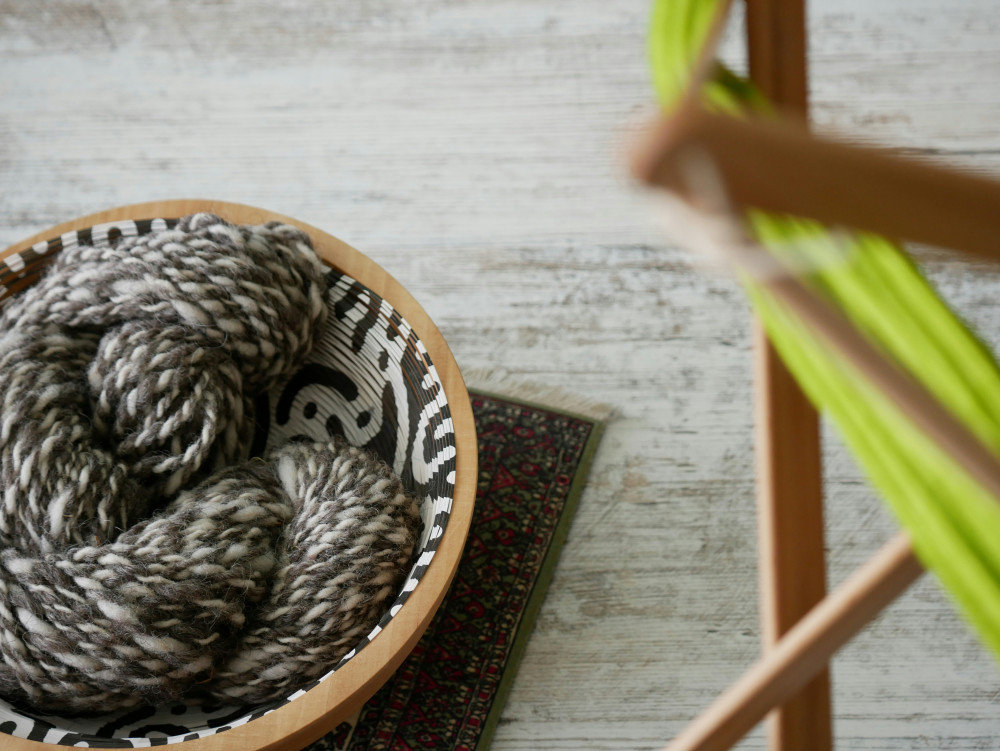
Yarn bowls combine function and aesthetics in handicrafts. Get an overview of different shapes and materials, and find inspiration for the yarn bowl that best suits your style and creative space.
Ben Anderson
Ben
Anderson
Canvases – see the selection and get inspired
Create your own artworks with the right canvas as a foundation
Hobby
Hobby
Canvas
Creative hobby
Art
Paint
Inspiration
2 min
Find inspiration for your next painting project with our overview of canvases. Read about materials, sizes and surfaces and get a better foundation for choosing the canvas that suits your creative style.
Sarah Torres
Sarah
Torres
Create your own artworks with acrylic paints in many variations
Unleash your creativity with colours that suit every idea
Hobby
Hobby
Acrylic paint
Creative hobby
Art
Painting
Material
2 min
Discover the many possibilities of acrylic paint – from classic primary colours to special effects and professional ranges. The article provides an overview of types, properties and areas of application so that you can find the paint that suits your creative projects.
Elijah Scott
Elijah
Scott
Watercolour paintings – overview of options for both beginners and advanced
Find the right colours and tools to express your creativity with watercolour
Hobby
Hobby
Watercolour painting
Creative hobby
Art
Painting equipment
Inspiration
2 min
Watercolour painting opens up creative expression in both simple and advanced techniques. Get an overview of the different types of paint, qualities and formats, so you can choose the set that best suits your level and preferences.
Isaiah Johnson
Isaiah
Johnson
Hobby paints – Inspiration for new creative forms of expression
Let your imagination run wild with colours that bring your ideas to life
Hobby
Hobby
Hobby paints
Creativity
DIY
Art
Leisure projects
5 min
Find inspiration for your creative projects with hobby paints. The article provides an overview of different types of paints and their possible applications, so you can choose the products that best suit your ideas and materials.
Lucas Young
Lucas
Young
Denim fabrics explained – understand the properties of the materials
Get a handle on the differences before you choose fabric for your next sewing project
Make it yourself
Make it yourself
Denim
Sewing
Textiles
Hobby
Material science
4 min
Denim comes in many varieties with different weaves, weights and properties. Read how to choose the right denim fabric for your project, and gain insight into what characterises the most popular types.
Ben Anderson
Ben
Anderson
Gather ideas for new projects with a selection of embroidery kits
Unleash your creativity with colours, patterns and inspiration for new craft projects
Make it yourself
Make it yourself
Embroidery
Crafts
Creative Hobby
DIY
Inspiration
5 min
Find inspiration for your next creative project with a selection of embroidery kits. The article provides an overview of different types of sets so you can easily choose the one that suits your style and experience.
Sarah Torres
Sarah
Torres