Tackle in Order: How to Organize Your Gear for Effective Saltwater Fishing

Tackle in Order: How to Organize Your Gear for Effective Saltwater Fishing
When you’re standing on a pier, aboard a boat, or casting from the surf with the ocean breeze in your face, few things can ruin the moment like disorganized gear. Missing the right hook, tangled lines, or a misplaced pair of pliers can quickly take the fun out of your trip. A well-organized tackle system not only makes your fishing more efficient but also more enjoyable. Here’s how to get your saltwater gear in order so you’re always ready for the next cast.
Know Your Fishing Style – and Sort Accordingly
Saltwater fishing in the U.S. covers a wide range of environments—from surf fishing along the Atlantic coast to inshore flats in Florida or deep-sea trips off the Pacific. Each type of fishing requires different gear, and that’s where many anglers lose track. Start by dividing your tackle based on the kind of fishing you do most often:
- Surf fishing – long rods, sand spikes, heavy sinkers, and bait rigs.
- Inshore fishing – lighter rods, soft plastics, jig heads, and leader material.
- Offshore fishing – heavy-duty rods, trolling lures, wire leaders, and gaffs.
Once you’ve sorted your gear by fishing type, it’s easier to pack only what you need and avoid hauling unnecessary equipment.
Keep Order in Your Tackle Box
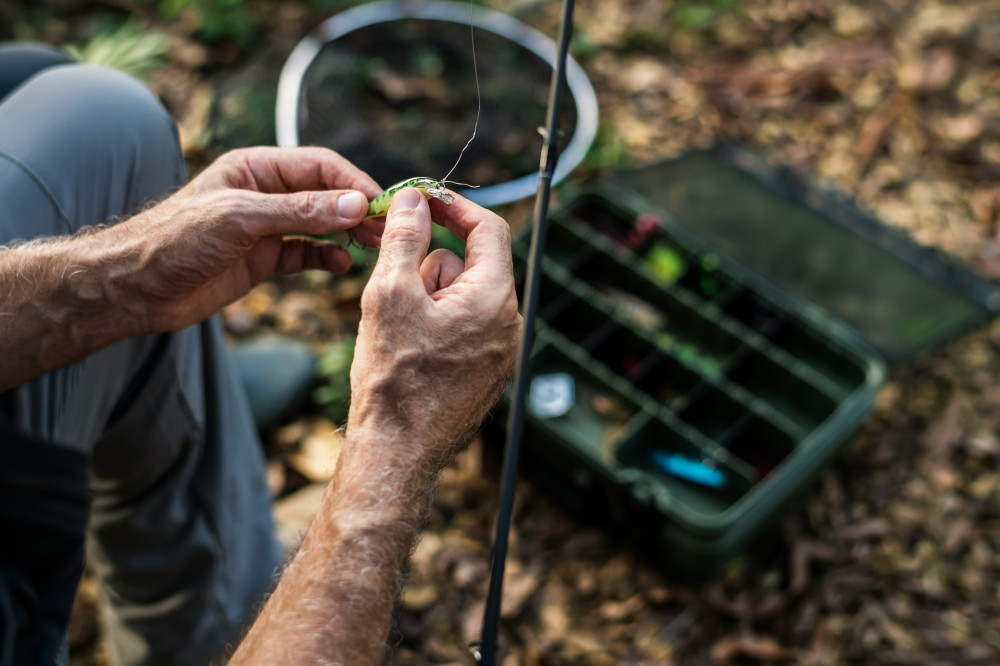
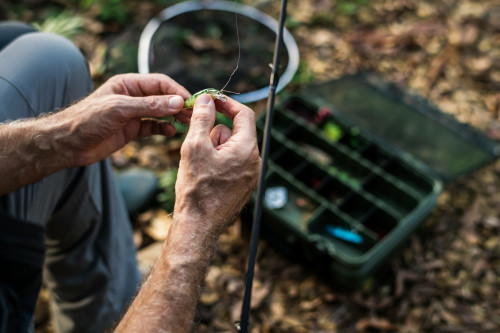
Your tackle box is the heart of your setup. Use boxes with adjustable dividers so you can customize them for your lures, hooks, and terminal tackle. A few practical tips:
- Label or color-code – use stickers or colored tape to mark boxes for specific contents (e.g., “jigs,” “hooks,” “leaders”).
- Separate wet and dry gear – keep one box for used tackle that needs rinsing and another for clean, dry gear. This prevents corrosion and extends the life of your equipment.
- Small parts in containers – store swivels, split rings, and beads in small jars or compartment boxes so they don’t end up scattered in your bag.
When you get home, take five minutes to put everything back in its place. It’ll save you time and frustration before your next trip.
Take Care of Rods and Reels
Rods and reels are the most delicate—and expensive—parts of your setup. Proper storage and maintenance will keep them performing longer:
- Rods should be stored in tubes or holders to prevent bending or cracking.
- Reels must be rinsed with fresh water after every saltwater trip and dried thoroughly before storage.
- Lines should be checked regularly for frays or nicks, especially after fishing around rocks or structure.
A simple labeling system on your rods—indicating line type and test strength—helps you grab the right setup quickly.
Bags and Storage for Transport
When heading out, you need to transport your gear safely and efficiently. A good tackle bag or backpack with multiple compartments makes a big difference. Consider:
- Waterproof bags – protect your gear from salt spray and rain.
- Modular systems – bags with removable boxes make it easy to switch setups for different fishing styles.
- Comfortable carry options – if you walk long stretches of beach or jetty, choose a bag with padded straps and good back support.
For boat trips, stackable plastic bins with lids are great for keeping gear dry and organized in tight spaces.
Læs også:
Maintenance – The Overlooked Part of Organization
Even the best system won’t work if your gear isn’t maintained. After every trip, make it a habit to:
- Rinse all gear with fresh water.
- Dry everything completely before storing.
- Inspect for rust, wear, or broken parts.
- Lubricate reels and moving components with appropriate oil.
A consistent post-trip routine ensures your gear is always ready and helps you avoid costly replacements.
Build a System That Works for You
There’s no single “right” way to organize fishing gear. Some anglers prefer large storage bins in the garage; others rely on compact, mobile setups. The key is to find a system that fits your fishing style and habits. Start simple, then refine it as you gain experience.
Once your tackle is in order, your fishing becomes smoother and more focused. You’ll spend less time searching for gear—and more time doing what you love: catching fish.
Læs også: