Small Changes, Big Difference: How to Optimize Your Fishing Line and Increase Your Catch

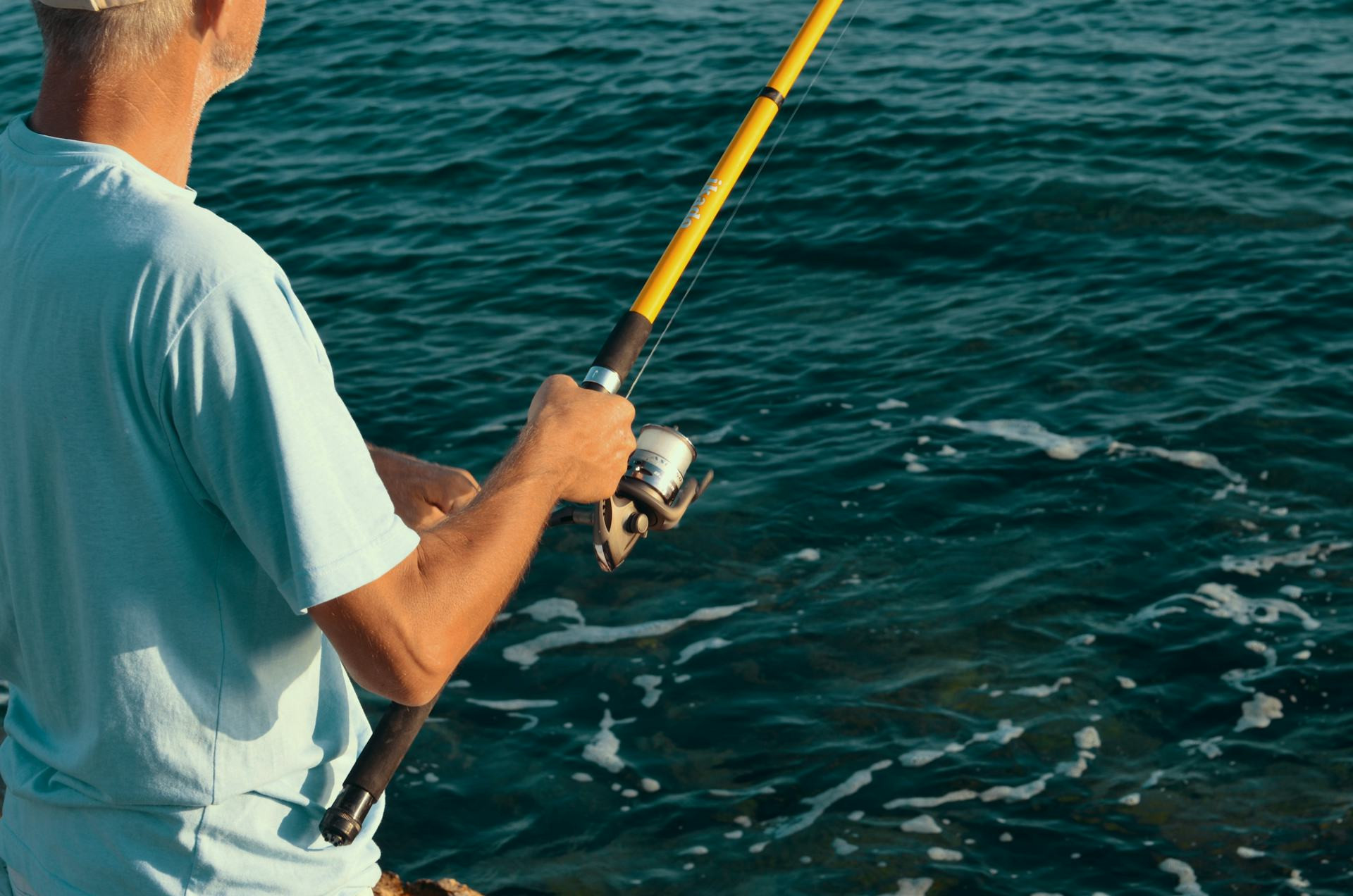
Small Changes, Big Difference: How to Optimize Your Fishing Line and Increase Your Catch
When the fish aren’t biting, it’s easy to blame the weather, the moon phase, or just plain bad luck. But often, the real difference between an empty cooler and a full one lies in the details—especially your fishing line. It’s the direct connection between you and the fish, and small adjustments in your choice, maintenance, and setup can dramatically improve your results. Here’s how to fine-tune your fishing line and boost your catch, whether you’re casting in a lake, river, or out on the ocean.
Choose the Right Line for Your Fishing Style
There’s no single “best” fishing line—it depends on what and where you’re fishing. The three main types are monofilament, braided, and fluorocarbon, each with its own strengths.
- Monofilament line is stretchy and forgiving, making it great for beginners and for fishing with live bait. It absorbs sudden pulls and helps prevent hooks from tearing out.
- Braided line is thin, strong, and has virtually no stretch. It offers excellent sensitivity, perfect for lure fishing when you need to feel even the slightest nibble.
- Fluorocarbon line is nearly invisible underwater and highly abrasion-resistant. It sinks quickly, making it ideal for clear water or bottom fishing.
Think about the species you’re targeting and match your line accordingly. A line that’s too heavy can spook wary fish, while one that’s too light might snap when you finally hook a big one.
Adjust the Line Strength – It’s All About Balance
Line strength (or “test”) is one of the most overlooked factors in fishing success. Many anglers go too heavy “just to be safe,” but that can actually reduce bites. A lighter line moves more naturally in the water and creates less drag, which often attracts more fish.
As a general guideline:
- For trout, crappie, and panfish: 4–8 lb test monofilament or 6–10 lb braided line.
- For bass and walleye: 8–15 lb test monofilament or 10–20 lb braided line.
- For pike, catfish, or saltwater species: 20–50 lb test, depending on the target and conditions.
Make sure your line matches your rod and reel setup. An unbalanced combination can shorten your casting distance and increase the risk of tangles.
Maintain Your Line – It Wears Out Faster Than You Think
Even the best line weakens over time. Sunlight, saltwater, and friction all degrade the material, and an old line can fail just when you hook the fish of a lifetime.
Check your line regularly:
- Run it through your fingers to feel for rough spots or nicks. If you find any, cut off the damaged section or replace the line.
- Replace your line at least once a year, or more often if you fish frequently.
- Store your reels in a cool, dark place when not in use—UV light breaks down most line materials.
A simple trick is to reverse the line on your spool halfway through the season. The inner section is usually like new, and flipping it extends its life.
Use Leaders and Knots Wisely
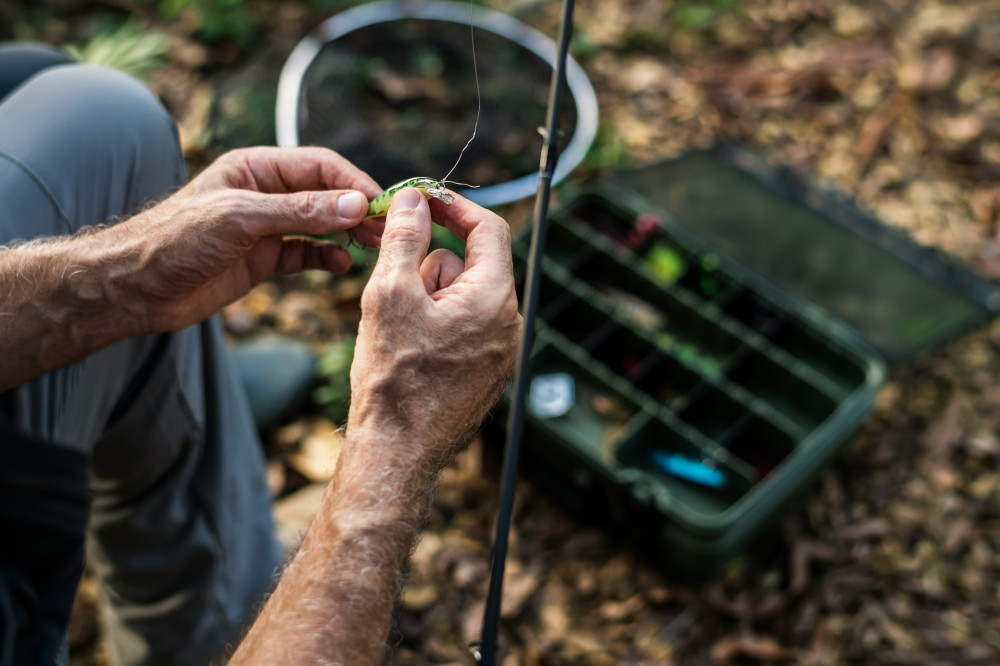
A good leader can make or break your setup. Fluorocarbon leaders are nearly invisible and protect against sharp teeth or rough structure, while steel leaders are essential for toothy predators like pike or muskie.
Equally important are your knots. A poorly tied knot can reduce line strength by up to 50%. Practice a few reliable ones like the Palomar knot or the Uni knot—they’re strong, simple, and easy to tie even with cold hands.
Match the Line to the Conditions
Water clarity, current, and temperature all affect how your line performs. In clear water, a thin, transparent line can produce more strikes, while in murky or fast-moving water, a stronger line helps maintain control.
When fishing deep or from a boat, a line that sinks quickly helps your bait reach the strike zone faster. For topwater fishing, a line with a bit of buoyancy keeps your lure where it needs to be.
Læs også:
Small Adjustments, Big Results
Optimizing your fishing line isn’t about buying the most expensive gear—it’s about understanding how small details work together. A properly matched line, a clean reel, and a well-tied knot can turn a slow day into a memorable one.
So next time you’re out on the water, take a moment to check your line before you cast. It’s a small effort that can make a big difference in what you bring home.
Læs også: