Scent and Flavor in Bait: Experiment Your Way to a Better Catch

Scent and Flavor in Bait: Experiment Your Way to a Better Catch
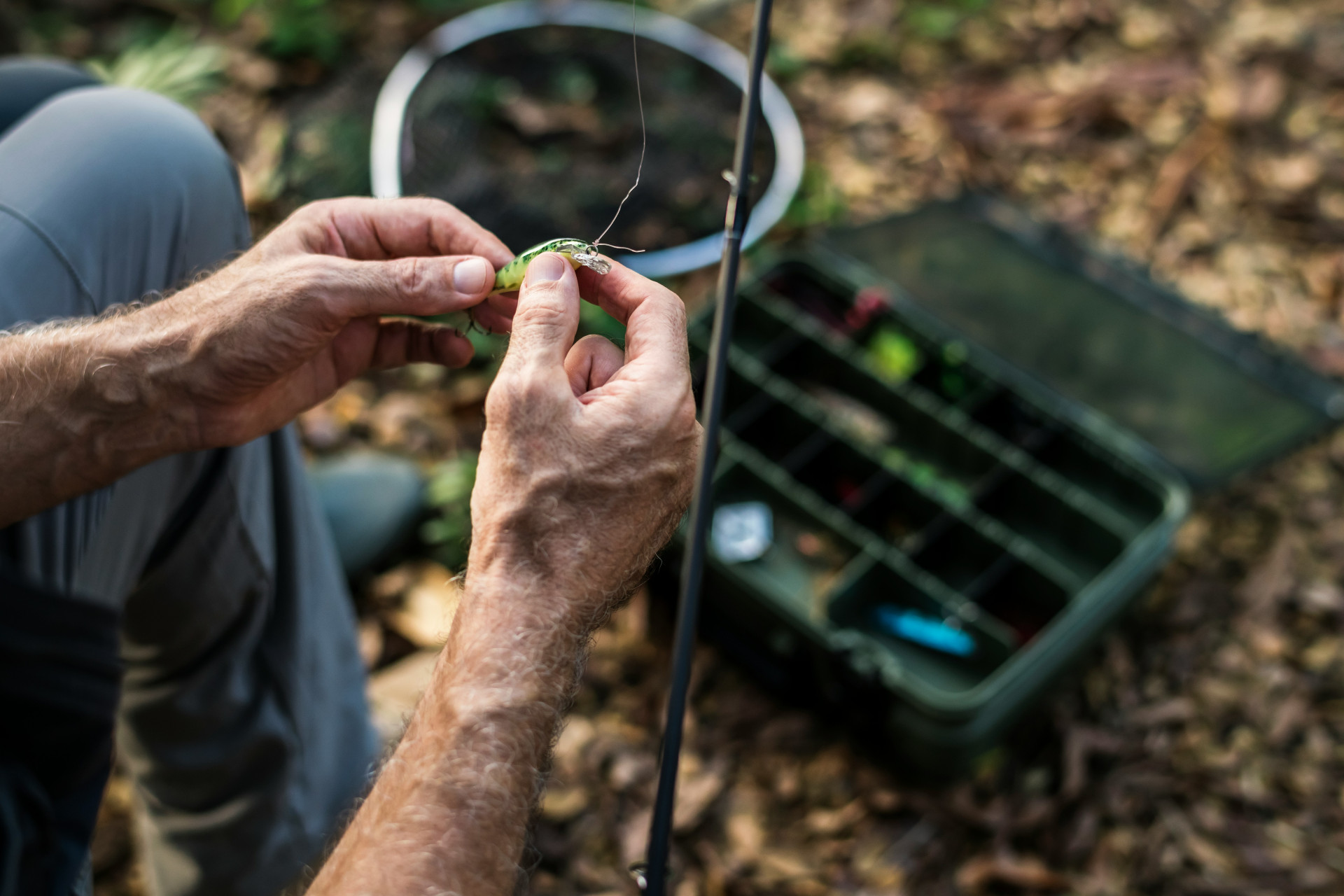
When the fish aren’t biting, it’s easy to blame the weather, the spot, or your casting technique. But sometimes, the secret to success lies in something far more subtle — the scent and flavor of your bait. Fish rely heavily on their sense of smell and taste, often more than sight, to locate food. By experimenting with different scents, you can dramatically improve your chances of landing a catch. Here’s how to use scent and flavor to your advantage — and how to find what works best in your local waters.
How Fish Sense the World
Many freshwater and saltwater species — from catfish and carp to trout and redfish — use chemical cues in the water to find food. They can detect incredibly small concentrations of scent molecules, even from a distance. Predatory fish like bass and pike also respond to movement and visual triggers, but scent can be the deciding factor that makes them strike.
That’s why it pays to think about how your bait smells and tastes underwater. In clear, warm water, a subtle scent might be enough. In murky or cold conditions, when fish are less active, a stronger aroma can make your bait stand out.
Natural Scents — From Kitchen to Tackle Box
You don’t need to spend a fortune on commercial attractants to start experimenting. Some of the most effective scent boosters are already in your kitchen:
- Garlic – A classic for catfish and carp. A few drops of garlic oil or crushed cloves mixed into dough bait can make a big difference.
- Cheese – Strong-smelling cheese, like cheddar or blue cheese, has long been a favorite for catfish and bullheads.
- Anise or vanilla extract – Sweet scents that can attract panfish, crappie, and trout.
- Shrimp or fish oil – Salty, natural aromas that appeal to saltwater species and freshwater predators alike.
- Molasses or honey – Adds sweetness and stickiness, great for dough baits and corn mixtures.
Start small — a little goes a long way. Keep notes on what works best under different conditions, such as water temperature, clarity, and time of year.
Læs også:
Store-Bought Attractants and Artificial Flavors
Tackle shops across the U.S. are stocked with ready-made scent additives and flavored baits — from crawfish and shad to strawberry and bloodworm. These products are designed to release scent slowly in the water, creating a trail that draws fish in.
If you’re new to scent fishing, begin with mild, natural-smelling attractants before moving on to stronger or more unusual ones. Some anglers swear by sweet, fruity aromas, while others prefer meaty or fish-based scents. The key is to match the scent to the species and the environment you’re fishing in.
Testing What Works
To really understand what makes a difference, take a scientific approach. Try fishing with two rods — one with unscented bait and one with a scent additive. Track which one gets more bites and under what conditions. Over time, you’ll start to see patterns that help you choose the right scent for the day.
You can also experiment with scent strength. Too much can overwhelm fish, especially in warm water where scent disperses quickly. Subtlety often wins.
Make Your Own Scent Mix
If you enjoy DIY projects, try creating your own scent blend. Start with a base oil — such as fish oil, corn oil, or mineral oil — and add a few drops of essential oils, spices, or natural extracts. Let your bait soak in the mixture for a few hours before fishing so the scent can penetrate.
Always use natural, biodegradable ingredients. Avoid synthetic chemicals or oils that could harm the environment or local waterways.
Scent as Part of Your Strategy
Scent and flavor aren’t magic bullets, but they’re powerful tools that can give you an edge — especially on slow days. Combine scent experimentation with good presentation, the right hook size, and patience, and you’ll see your results improve.
The most important thing is to keep experimenting. What works in a Texas lake might not work in a Florida bayou or a Minnesota river. With curiosity, careful observation, and a willingness to try new things, you’ll soon discover the scents that make your local fish bite.
Læs også: