Slot Machines Around the World – Cultural Differences and National Favorites

Slot Machines Around the World – Cultural Differences and National Favorites
Slot machines have become a truly global form of entertainment – from the dazzling casinos of Las Vegas to the neon-lit arcades of Tokyo and the online platforms accessible from any smartphone. Yet, while the basic idea is the same everywhere – spin the reels and hope for a win – the games themselves often reflect the cultures that create and play them. Themes, symbols, and playing styles vary widely, revealing how different societies view luck, risk, and fun.
The United States – Glamour, Nostalgia, and the Big Win
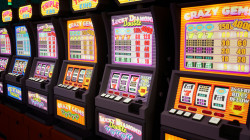
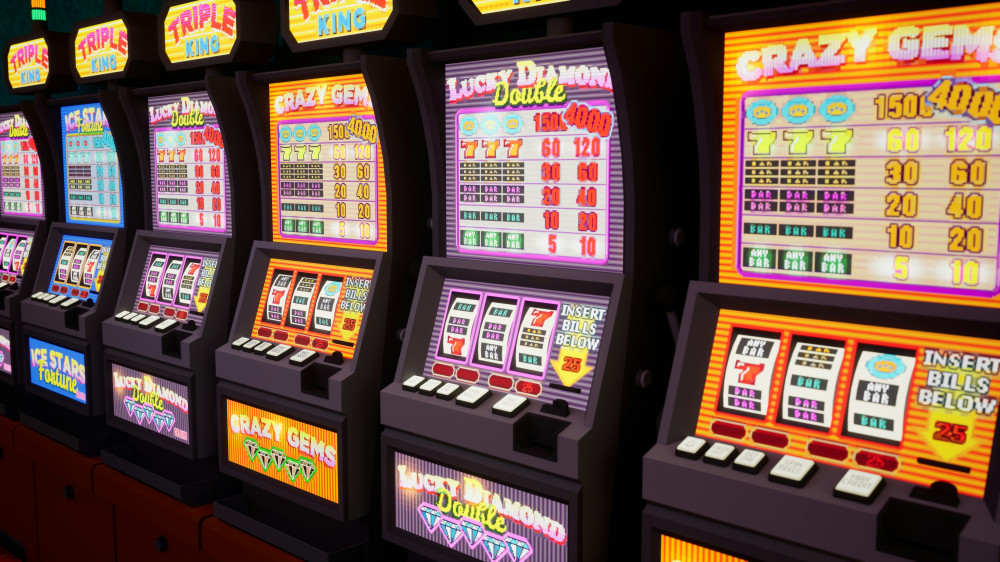
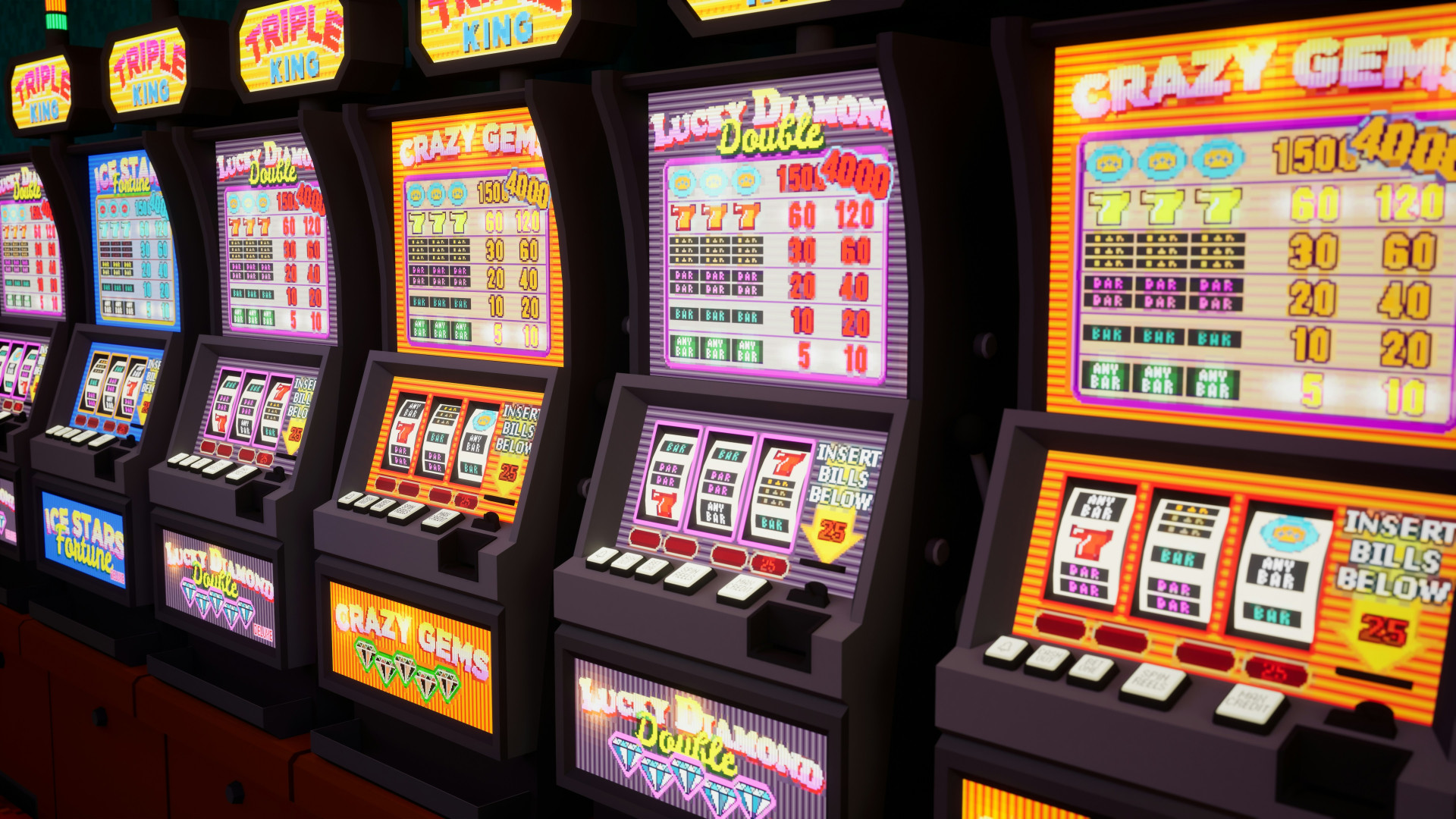
When Americans think of slot machines, they picture the bright lights of Las Vegas or the buzzing casino floors of Atlantic City. In the U.S., slots are synonymous with spectacle and the dream of hitting it big. The games are designed for excitement: flashing lights, cinematic sound effects, and themes inspired by Hollywood movies, sports, and pop culture.
American players often favor progressive jackpot machines, where the prize grows with every spin until one lucky player takes it all. This fits perfectly with the American fascination with “the big win” – the idea that anyone, at any moment, could become a millionaire. At the same time, there’s a nostalgic side to the U.S. slot scene: classic fruit symbols and vintage “one-armed bandits” still stand proudly beside the latest digital marvels.
Europe – Tradition, Design, and a Touch of Strategy
Across Europe, slot machines have a slightly different character. They’re often found in pubs, cafés, and small gaming halls rather than massive casino resorts. Many European players enjoy games that offer a sense of control – features like “hold” buttons or bonus rounds that involve small strategic choices.
European design tends to be more understated than the American style, with themes inspired by history, mythology, or nature. In the United Kingdom, traditional “fruit machines” remain a staple, while in Scandinavia, sleek online slots with minimalist graphics and Nordic motifs – think Vikings, runes, and the northern lights – have become favorites.
Asia – Luck, Symbolism, and High-Tech Play
In Asia, cultural symbolism plays a central role in slot design. In Japan, pachinko is more than a game – it’s a cultural institution. These hybrid machines, part slot and part pinball, fill entire halls with flashing lights and the sound of cascading metal balls. Pachinko reflects Japan’s love of both gaming and technology, offering a unique blend of skill, chance, and ritual.
In China and other parts of East Asia, luck and prosperity are deeply rooted in tradition, and that’s reflected in the games’ imagery: dragons, gold coins, lucky numbers, and the color red dominate. Many players choose games that “feel lucky” rather than those with the best mathematical odds. It’s not just about winning money – it’s about attracting good fortune and positive energy.
Latin America – Color, Celebration, and Community
In Latin America, slot machines are often part of a lively social scene. In cities like Buenos Aires and Mexico City, gaming halls serve as gathering places where people meet friends, enjoy coffee, and play together. The games themselves are vibrant and rhythmic, often featuring themes drawn from music, dance, and local traditions.
Here, the experience is as important as the outcome. Many Latin American players prefer fast-paced, colorful games that capture the region’s festive spirit. Slots become a form of shared entertainment – a reflection of the region’s warmth, sociability, and love of celebration.
Læs også:
The Online World – Global, Yet Culturally Distinct
With the rise of online casinos, slot machines have transcended borders. Yet even in the digital realm, cultural fingerprints remain. American developers tend to focus on blockbuster themes and massive jackpots, European studios emphasize design and gameplay mechanics, and Asian creators weave in mythology and symbolism from their own traditions.
Online gaming has also created new communities. Players from around the world now meet in virtual spaces, share experiences, and compete in tournaments. The slot machine has become a global cultural phenomenon – but one that still carries the flavor of its origins.
The Slot Machine as a Cultural Mirror
Though slot machines are games of chance, they reveal much more than a desire to win. They tell stories about dreams, traditions, and values. In the U.S., they embody the hope of sudden fortune; in Europe, the balance between craft and play; in Asia, the belief in luck and harmony; and in Latin America, the joy of community and celebration.
Looking at slot machines around the world is, in many ways, a look at how different cultures understand luck, risk, and entertainment – and how even the simplest game can reflect the spirit of a people.
Læs også: