Roulette Without Formulas: Understanding Probability in a Simple and Accessible Way

Roulette Without Formulas: Understanding Probability in a Simple and Accessible Way
Roulette is one of the most recognizable games in any casino. The spinning wheel, the bouncing ball, and the suspense as it slows down have captivated players for generations. But behind the glamour lies a simple idea: probability. And you don’t need to be a mathematician—or even like math—to understand it. In this article, we’ll look at roulette as an easy and engaging way to grasp how probability works, without diving into complicated formulas.
A Game of Many Choices – but Simple Rules
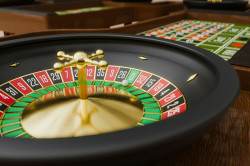
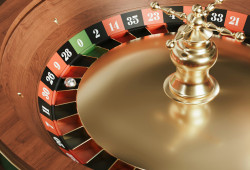
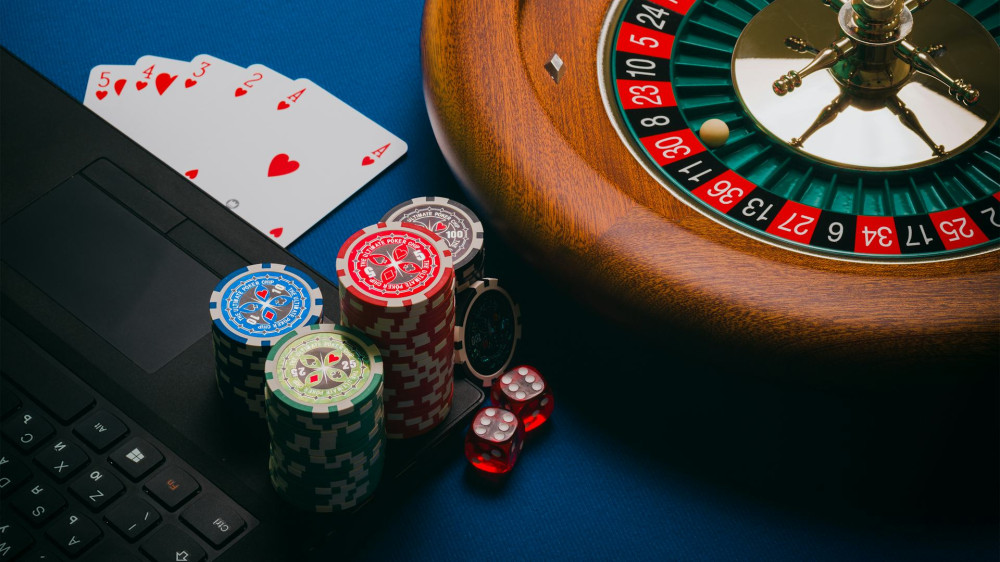
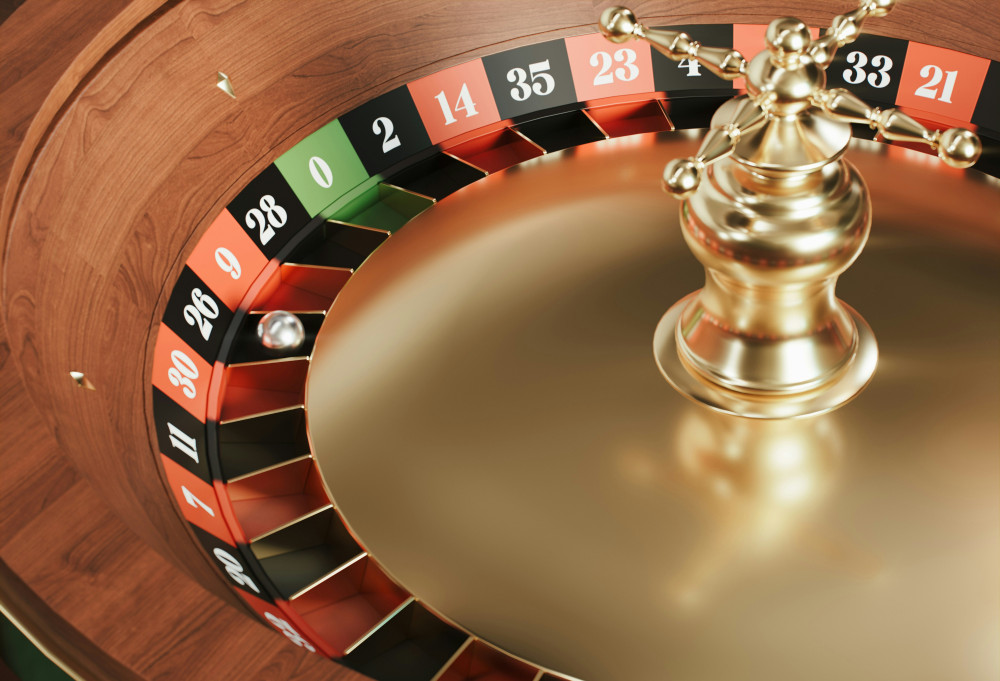
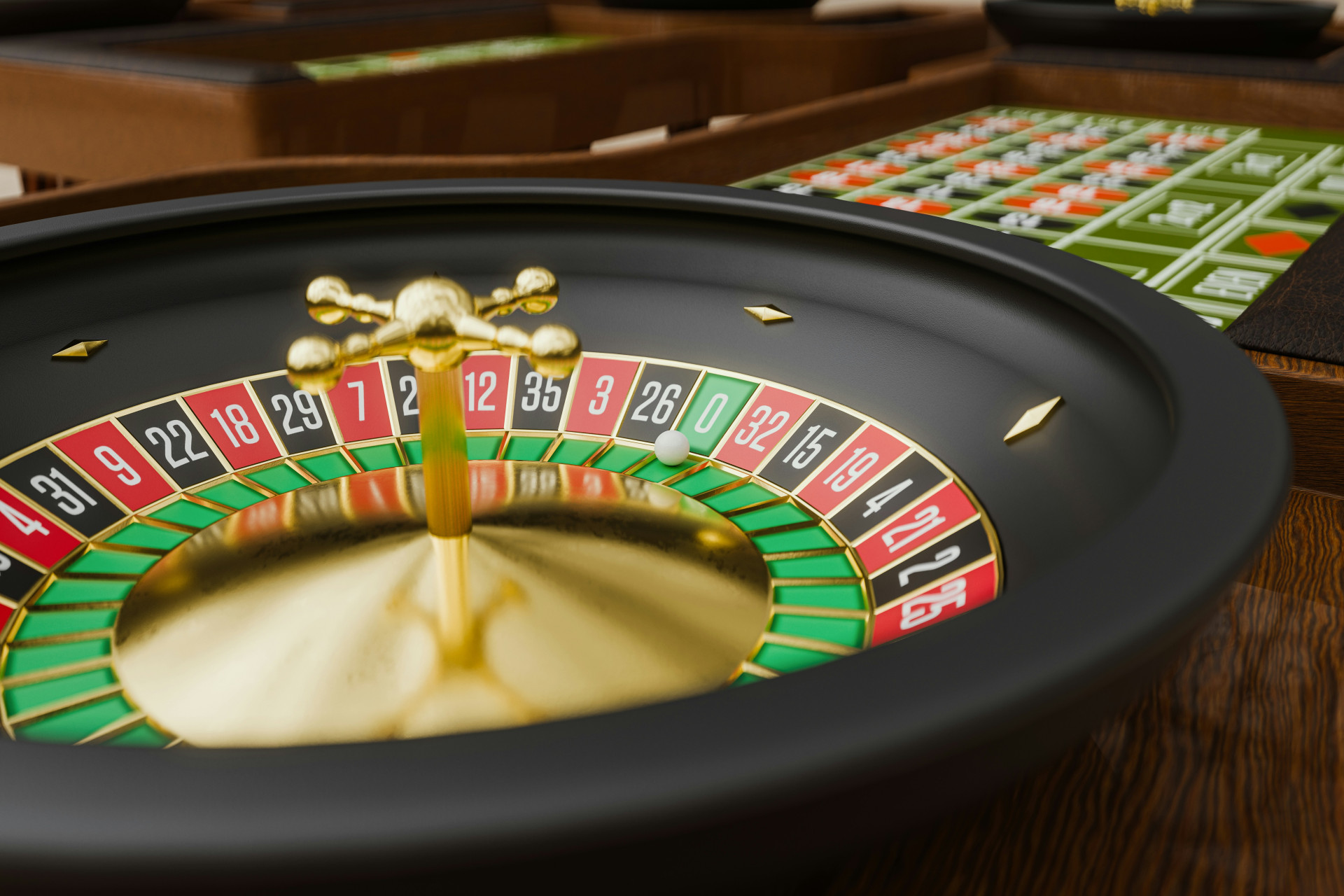
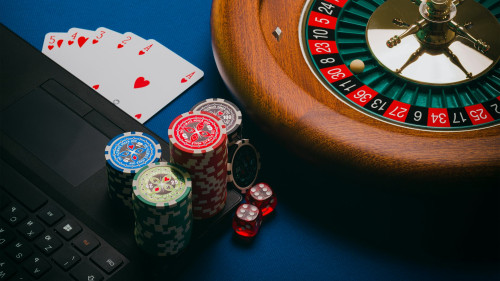
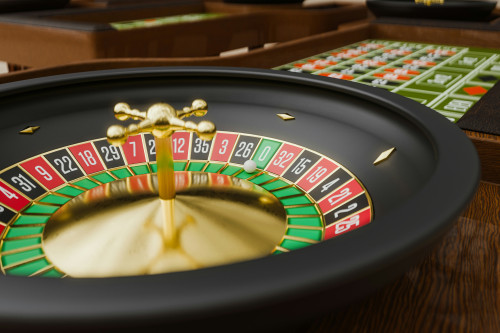
Roulette comes in several versions, but the basic setup is always the same: a wheel with numbered pockets, a small ball, and a betting layout where you place your chips. You can bet on a single number, a color (red or black), whether the number will be odd or even, or on groups of numbers.
When the ball lands, the outcome is decided—and that’s where probability comes in. Each pocket on the wheel has the same chance of being hit. That means the game is completely random at its core. No betting system or pattern can change where the ball lands, but understanding probability helps you see how your choices affect risk and reward.
Læs også:
Probability Without the Math
When people hear the word “probability,” they often think of fractions and percentages. But you can understand it intuitively. Imagine you have 38 marbles in a bag—one for each pocket on an American roulette wheel, which includes both a single zero and a double zero. If you draw one marble, the chance of getting a red one is a bit less than half. If you try to pick a specific number, your odds are much smaller.
That’s the essence of roulette: balancing small chances for big payouts against larger chances for smaller ones. The more specific your bet, the harder it is to win—but the reward is higher if you do.
Why the House Always Has an Edge
Even though roulette feels completely random, the casino always has a small built-in advantage. That’s because of the green pockets—the zero and double zero. They tilt the odds slightly in favor of the house. For example, even if you bet on red or black, the presence of those green spaces means the odds aren’t exactly 50/50.
This doesn’t mean you can’t win—it just means the game is designed for entertainment, not guaranteed profit. Knowing this helps you play with awareness and enjoy the experience for what it is.
Roulette as a Lesson in Everyday Probability
Roulette can actually be a fun way to see probability in action. Each spin is independent of the last. Even if the ball has landed on black five times in a row, that doesn’t make red “due.” The wheel has no memory. This is a powerful lesson about randomness and how our brains often look for patterns that aren’t really there.
That same understanding applies to everyday life—from lottery drawings to weather forecasts to making decisions under uncertainty. Probability is really about understanding what could happen, and how likely it is.
Play for Fun – and Play Smart
Roulette is best enjoyed as entertainment. If you treat it as a playful experiment with chance, you can appreciate the excitement without chasing losses or expecting a system to beat the odds. Set a budget, play responsibly, and focus on the experience rather than the outcome.
Understanding probability isn’t about finding a way to win—it’s about seeing the patterns behind randomness and realizing that math, at its heart, can be both fascinating and deeply human.
Læs også: