Game Theory for Beginners: Why Some Casino Games Feel More Strategic

Game Theory for Beginners: Why Some Casino Games Feel More Strategic
When you sit down at a blackjack table or join an online poker room, it feels different from pulling the lever on a slot machine. It’s not just luck at play—there are decisions, probabilities, and psychology involved. But why do some casino games feel more strategic than others? The answer lies in game theory—the mathematical study of how people make choices in situations involving uncertainty and competition.
What Is Game Theory?
Game theory is a branch of mathematics and economics that explores how rational players make decisions when outcomes depend on both their own choices and the choices of others. It’s used in everything from business negotiations and politics to biology—and yes, casino games.
At its core, game theory is about finding the best possible strategy in a given situation. In a casino, that might mean deciding when to bet, draw a card, or fold, depending on the risks and rewards on the table.
Luck vs. Strategy
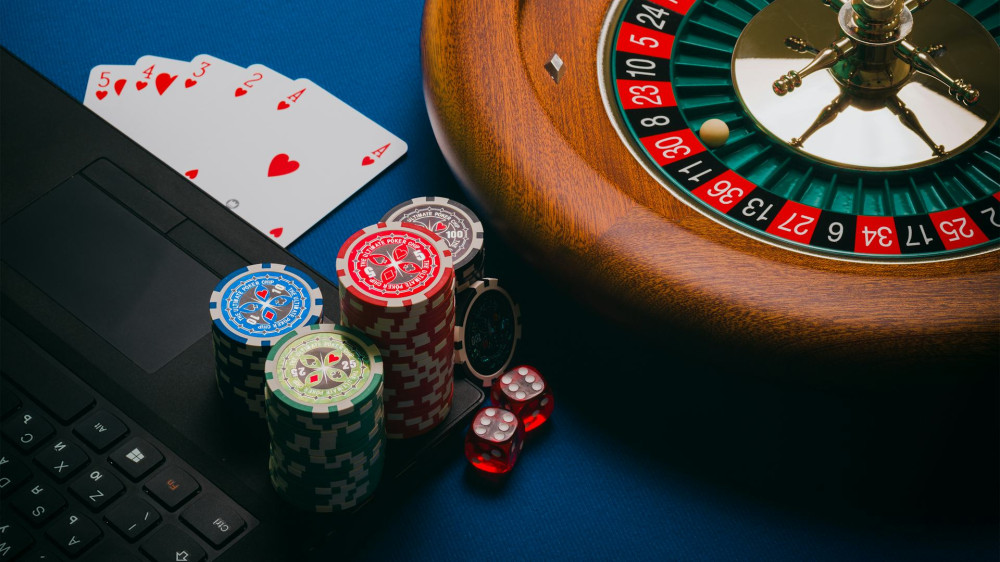
Casino games can generally be divided into two categories: games of chance and games of strategy.
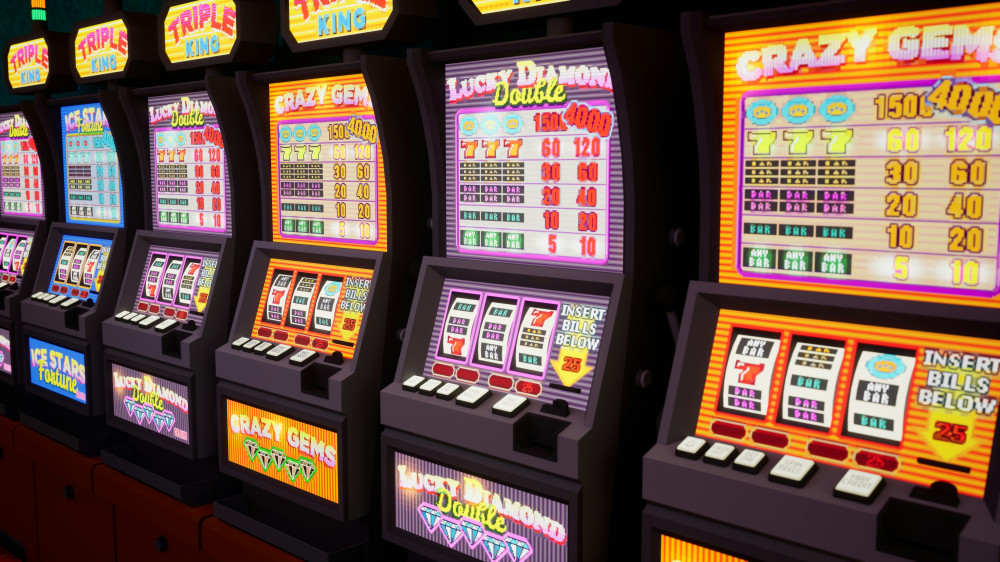
- Games of chance—like roulette, slot machines, and keno—depend almost entirely on randomness. The outcome can’t be influenced by the player’s decisions; each spin or draw is independent of the last.
- Games of strategy—like poker and blackjack—allow players to influence the outcome through their choices. Here, probability, observation, and psychology can all improve your odds.
That doesn’t mean you can “beat” the casino in the long run—the house always has an edge—but it does mean you can play more optimally and minimize losses over time.
Poker: Decisions, Psychology, and Bluffing
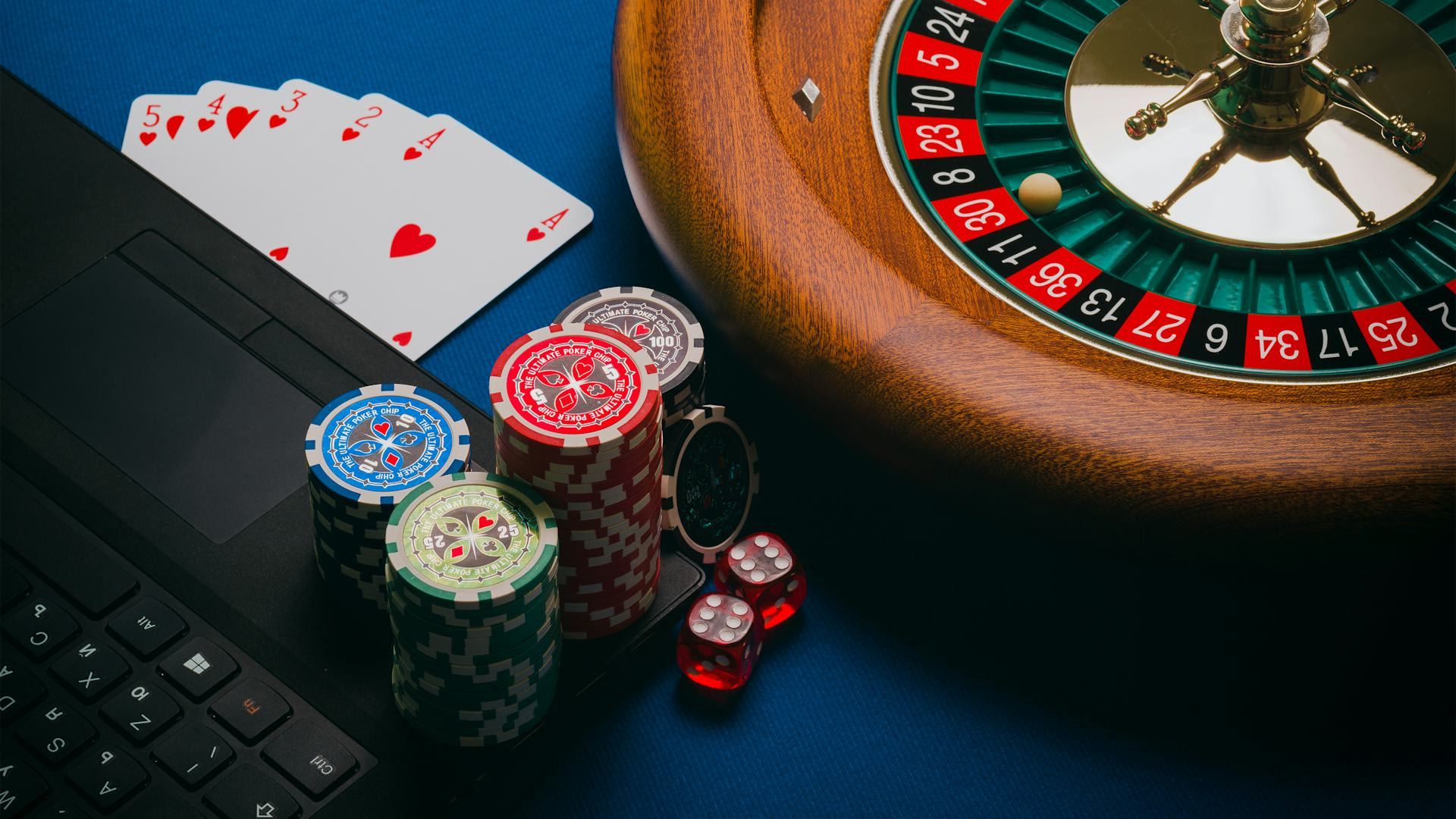
Poker is a textbook example of game theory in action. It’s not just about the cards you’re dealt—it’s about reading your opponents, managing risk, and making decisions under uncertainty. Every choice—whether to bet, call, or fold—can be seen as a small game within the larger game.
Game theory helps explain how to balance your actions so you don’t become predictable. If you always bluff in the same situations, experienced players will catch on. That’s why successful poker players use what’s called a mixed strategy—a blend of actions that keeps opponents guessing.
Blackjack: The Math Behind Smart Play
In blackjack, the strategy is more mathematical than psychological. Players can calculate the optimal move for every possible hand—when to hit, stand, double down, or split. This approach, known as basic strategy, is based on the probabilities of which cards remain in the deck.
While the house still has an advantage, a player who follows basic strategy can reduce that edge to less than one percent. It’s a clear example of how game theory can translate into practical, real-world decision-making.
Læs også:

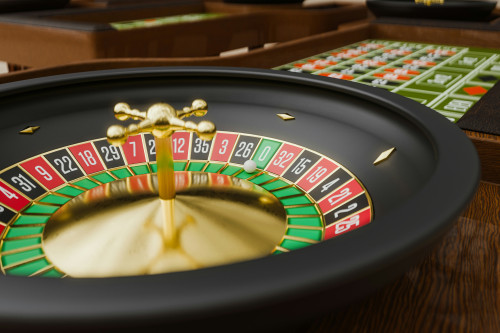
Roulette and Slots: When Game Theory Can’t Help
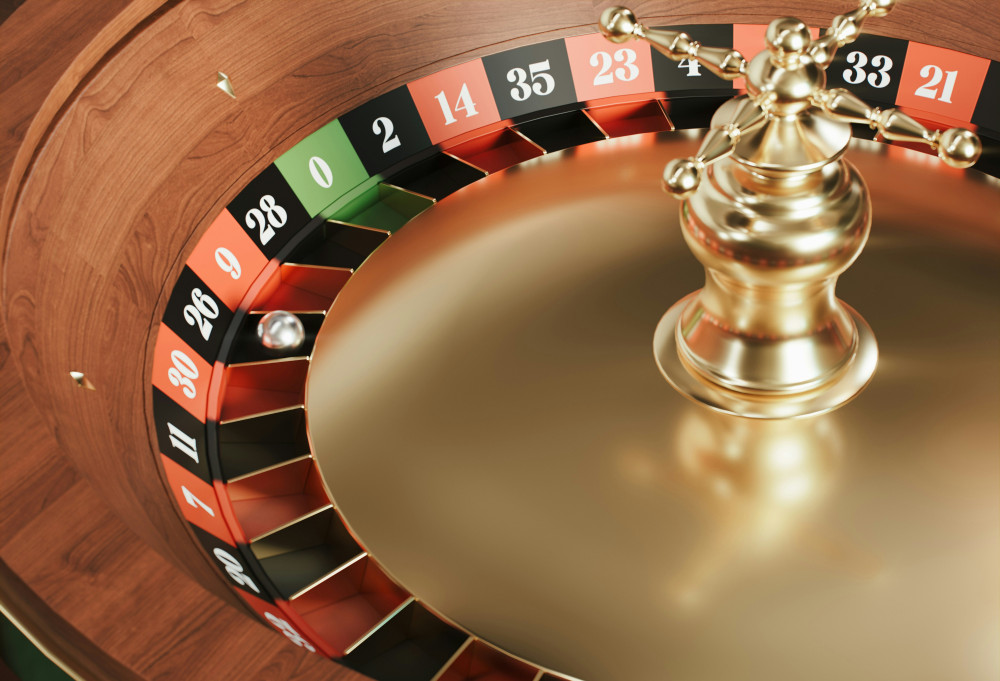
In games like roulette and slot machines, there are no strategic decisions that can change the outcome. The wheel or machine has no memory, and each spin is independent. Game theory can help you understand the odds—but it can’t improve them.
Still, game theory can explain why many players believe they can “sense” when a win is coming. This is known as the gambler’s fallacy—the mistaken belief that past results influence future ones. For example, thinking “red is due” after several black spins in a row. Game theory reminds us that each spin is a fresh start.
Why Strategic Games Feel More Rewarding
Humans like to feel in control. When a game allows us to make meaningful choices, we feel that our skills and decisions matter—even if luck still plays a role. That sense of agency makes the experience more engaging and satisfying.
That’s why poker and blackjack often feel “fairer” than slot machines. We can learn, improve, and see the results of our decisions. It’s the magic of game theory in action: understanding how choices and probabilities intertwine in a world where both luck and strategy matter.
Game Theory as a Key to Better Play
Understanding game theory doesn’t mean you can predict the outcome of a game—but it does give you insight into why we play the way we do. It’s about thinking in terms of probabilities, risks, and the behavior of others.
For beginners, that realization can be eye-opening. Once you start seeing the patterns behind the games, it’s no longer just about luck—it’s about making the best possible decisions in an uncertain world.
Læs også: