How to find your passion in creative leisure activities
Discover how to discover and develop your passion for creative hobbies. This e-book guides you through various possibilities from painting to needlework and helps you find the activity that brings you joy and challenges.
Get the e-book

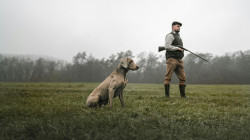
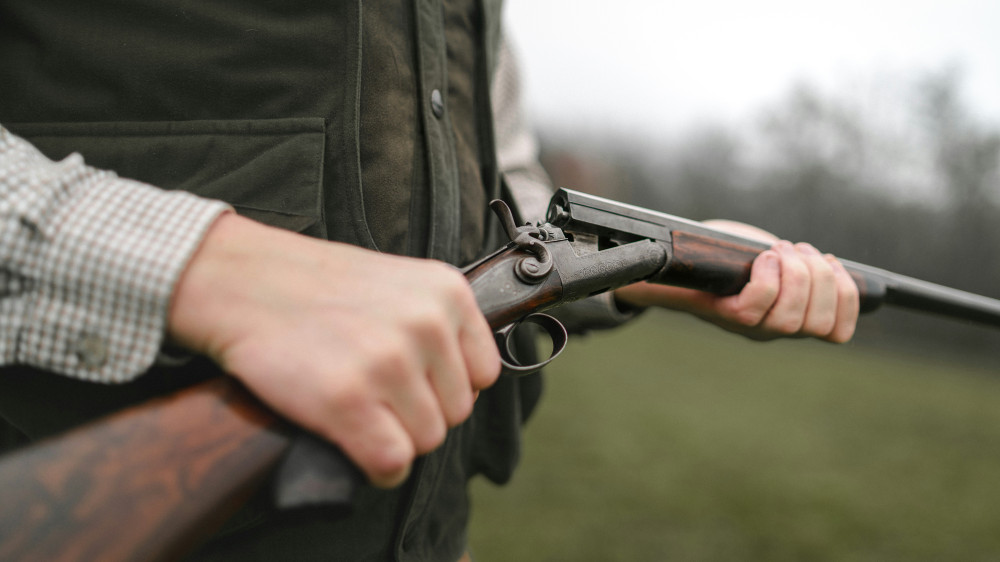
Shoot Accurately: Adjust Your Technique for Distance and Angle

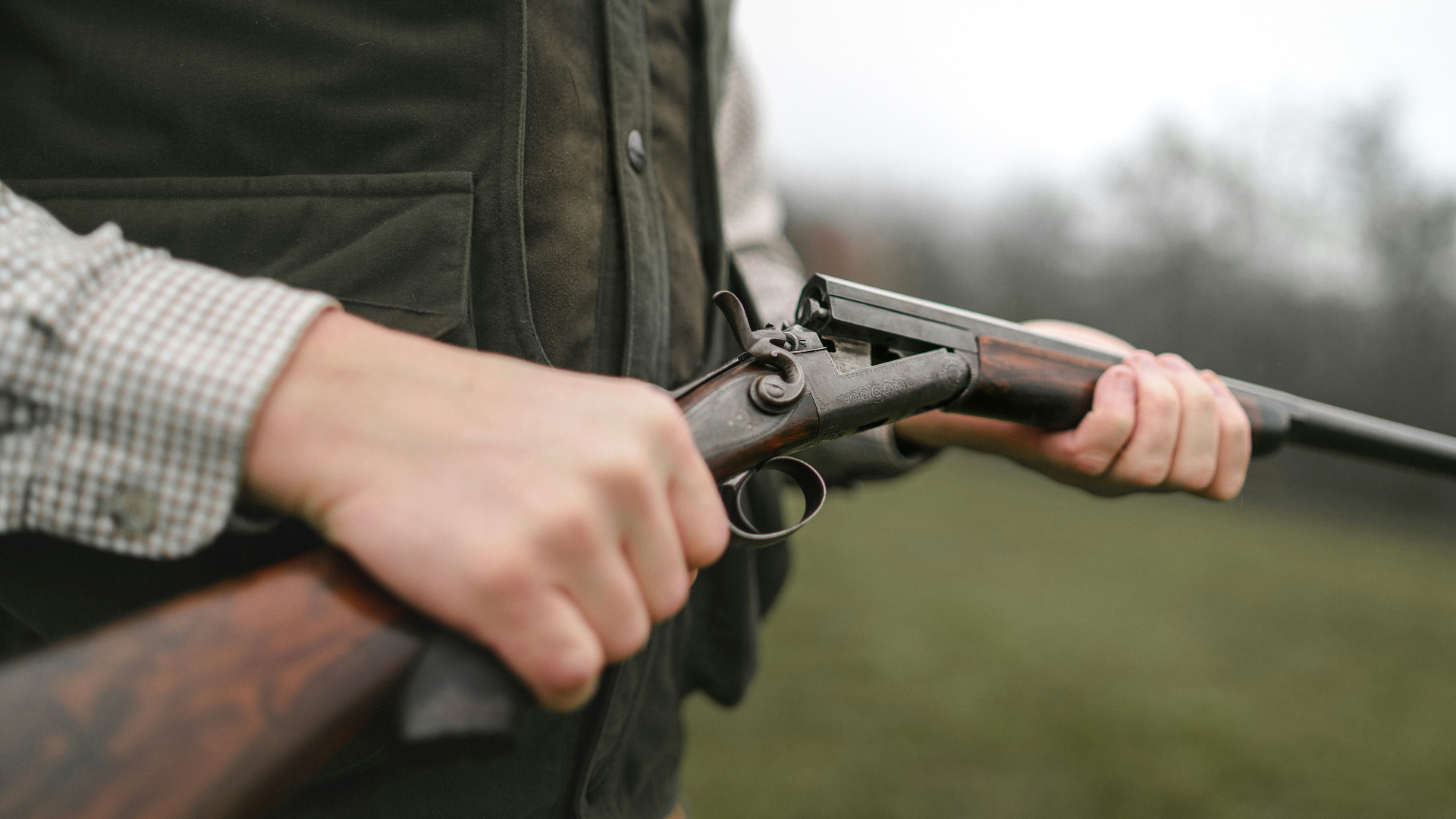
Master the art of precision by adapting your shooting technique to every situation
Hunting
Hunting
7 min
Learn how to refine your aim by adjusting for distance, angle, and environmental factors. This guide helps you understand the science behind accurate shooting and develop the skills needed for consistent, confident performance in any setting.
Lucas Young
Lucas
Young

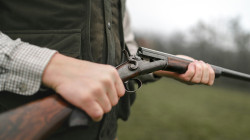
Shoot Accurately: Adjust Your Technique for Distance and Angle

Master the art of precision by adapting your shooting technique to every situation
Hunting
Hunting
7 min
Learn how to refine your aim by adjusting for distance, angle, and environmental factors. This guide helps you understand the science behind accurate shooting and develop the skills needed for consistent, confident performance in any setting.
Lucas Young
Lucas
Young

Hitting your target isn’t just about good aim—it’s about understanding how distance, angle, and environment affect your shot. Whether you’re at the range or out in the field, precision comes from a mix of technique, experience, and awareness. Here’s a guide to help you fine-tune your shooting so you can hit more consistently and confidently, no matter the conditions.

Know Your Distance—and Adjust for It

Distance is one of the most critical factors in accurate shooting. The farther the target, the more gravity, wind, and air resistance will influence your bullet’s path. Knowing your range and how your firearm performs at different distances is key.

  • Use a rangefinder – A reliable rangefinder gives you exact distance readings, helping you make informed adjustments.
  • Learn your firearm’s ballistics – Practice at various distances and note how your bullet drops. This helps you understand how much to compensate when shooting farther out.
  • Train at realistic ranges – If you hunt, practice at the distances you’re likely to encounter in the field. It makes the transition from the range to real-world conditions smoother.

Even small sight adjustments can make a big difference at long range. The more familiar you are with your equipment, the more confident and consistent your shots will be.

The Angle Matters More Than You Think

Shooting uphill or downhill changes how gravity affects your bullet. Many shooters overcompensate for elevation and end up shooting high. This is especially common in mountainous terrain or when shooting from a stand.

A good rule of thumb: aim slightly lower than you would on level ground, whether you’re shooting up or down. That’s because the bullet travels a shorter horizontal distance, so gravity has less time to pull it down.

For maximum precision, consider using an angle-compensating rangefinder, which automatically calculates the true horizontal distance based on the slope. It’s a valuable tool for anyone shooting in hilly or uneven terrain.

The Invisible Force of Wind

Wind is one of the toughest variables to master. Even a light crosswind can push your bullet several inches off target, depending on distance and caliber.

Learn to read the wind: watch how grass, leaves, or dust move, and use that as a guide. At the range, flags or smoke can help you gauge direction and strength.

When shooting in the wind, adjust your aim into the wind’s direction. How much you adjust depends on wind speed, direction, and distance—it takes practice to develop the right feel. Keep notes on your experiences so you can build a personal reference for different conditions.

Stability and Body Position

Even perfect sight alignment won’t help if your body isn’t stable. A solid shooting stance is the foundation of accuracy.

  • Stand firm – Feet shoulder-width apart, weight evenly distributed.
  • Stay relaxed – Tension in your shoulders or arms can throw off your shot.
  • Use support – A bipod, backpack, or natural rest like a rock or tree branch can make a big difference.
  • Follow through – Keep your sights on target for a moment after the shot. It helps you stay calm and analyze your performance.

Practice your stance regularly until it feels natural and steady—even under pressure.

Practice Under Realistic Conditions

It’s easy to shoot well on a calm day at the range. But in the field, conditions are rarely perfect. Wind, rain, uneven ground, and adrenaline can all affect your accuracy.

That’s why it’s important to train in varied conditions. Shoot in different weather, at different times of day, and from different positions. The more you expose yourself to real-world scenarios, the better prepared you’ll be when it counts.

Technique and Ethics Go Hand in Hand

Accurate shooting isn’t just about skill—it’s about responsibility. A precise shot is a quick, humane shot. Knowing your limits and only taking shots you’re confident in shows respect for the game and for the sport itself.

It takes discipline to hold back when conditions aren’t right, but that restraint is what defines a responsible hunter or marksman.

Precision Is a Process

Becoming a precise shooter doesn’t happen overnight. It takes patience, consistent training, and a willingness to learn from mistakes. But the reward is worth it: confidence, control, and a deep respect for the craft.

When you understand how distance, angle, and environment work together, shooting becomes more than a skill—it becomes an art you can keep refining for a lifetime.

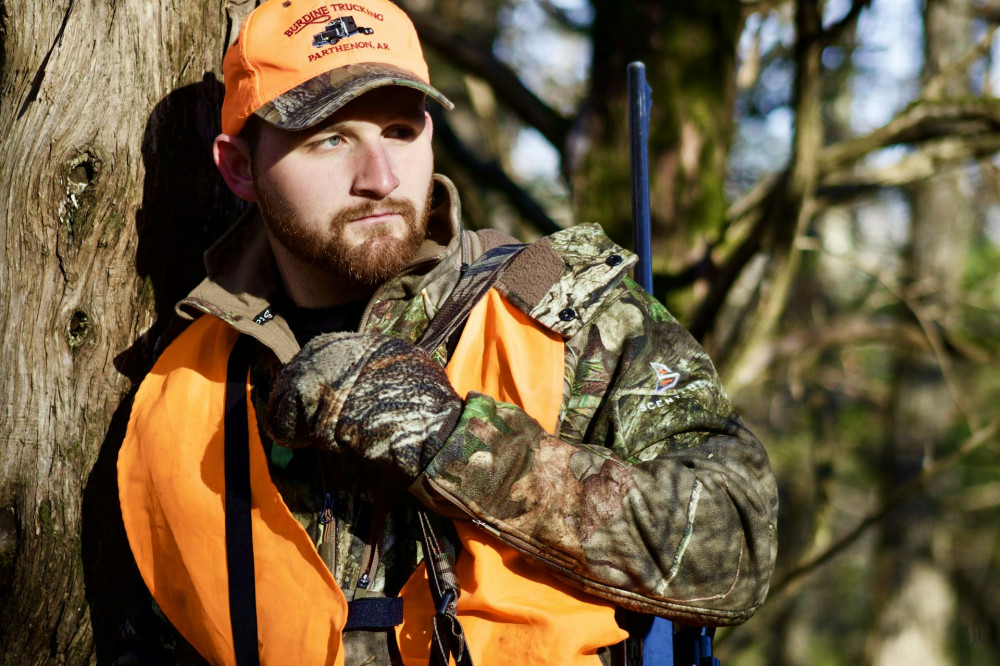
Use Your Senses – Experience the Hunt More Intensely with Sight, Sound, and Smell
Awaken your senses and discover a deeper connection to nature on your next hunt
Hunting
Hunting
Hunting
Outdoor Skills
Nature Connection
Mindfulness
Sensory Awareness
7 min
Hunting is more than skill and equipment — it’s about awareness. Learn how to use sight, sound, and smell to heighten your perception, improve your success, and experience the wilderness with greater presence and calm.
Ben Anderson
Ben
Anderson
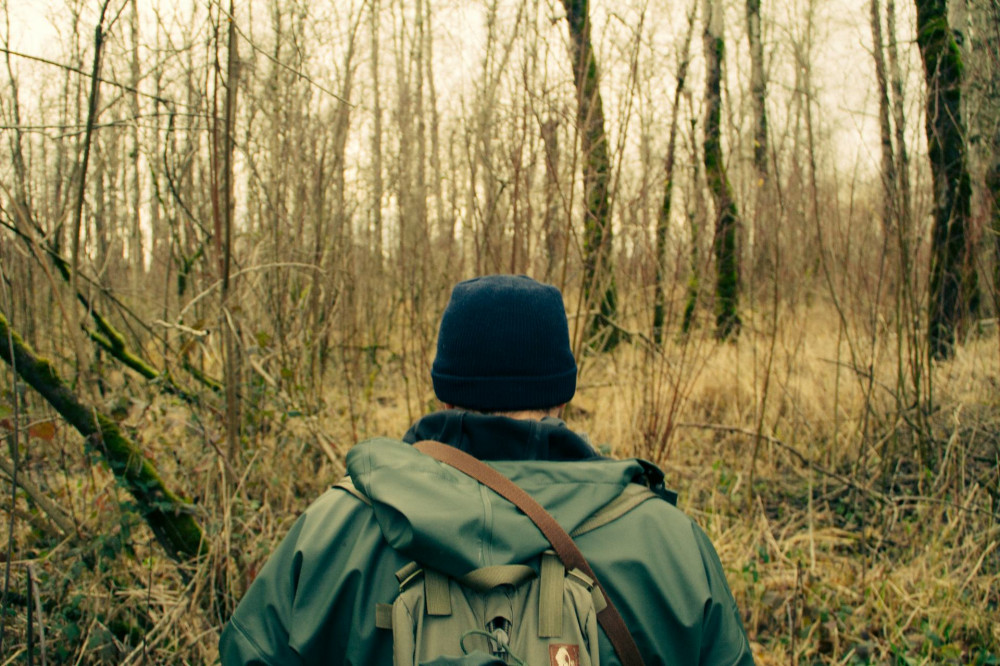
Read the Wind Right: How to Use Weather Conditions for a Better Hunt
Master the art of reading the wind to turn every hunt into a success
Hunting
Hunting
Hunting
Wind Reading
Outdoor Skills
Weather
Wildlife
5 min
Discover how understanding wind direction, terrain, and weather patterns can dramatically improve your hunting results. Learn to use nature’s cues to stay undetected, plan your approach, and make the most of every opportunity in the field.
Sarah Torres
Sarah
Torres
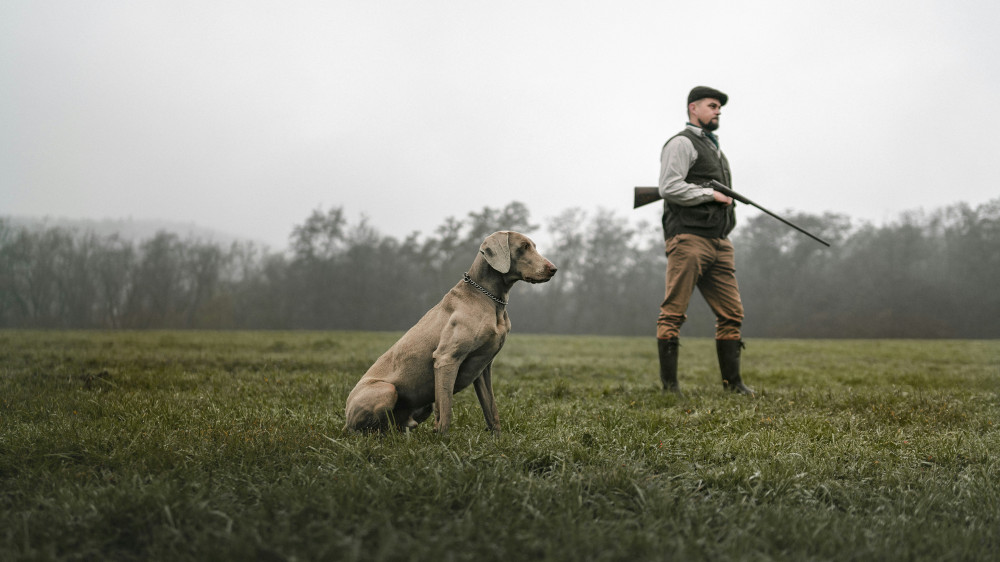
Keep Your Hunting Dog Motivated with Varied Training
Keep your hunting dog eager and focused with training that challenges both body and mind
Hunting
Hunting
Hunting Dog
Dog Training
Motivation
Outdoor Activities
Working Dogs
7 min
Discover how to maintain your hunting dog’s motivation through varied and engaging training. Learn practical ways to add diversity, stimulate the senses, and balance work with play to build a confident and enthusiastic hunting partner.
Elijah Scott
Elijah
Scott
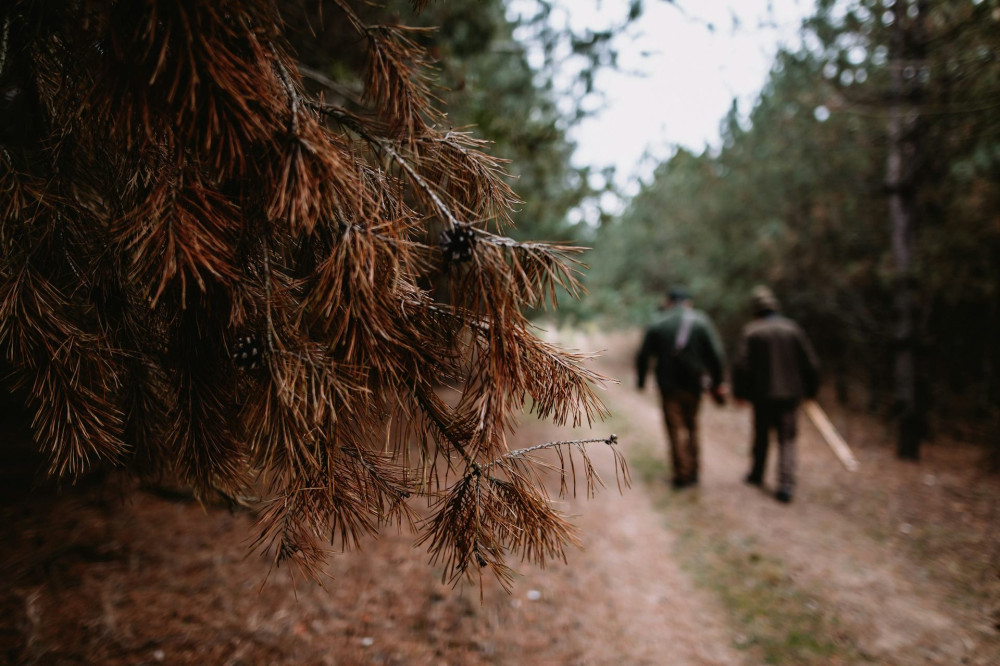
Plan Your Hunting Route – Move Quietly and Efficiently Through the Hunting Grounds
Master the art of moving silently and strategically for a more successful hunt
Hunting
Hunting
Hunting
Outdoor Skills
Wildlife
Strategy
Safety
2 min
Every great hunt starts with a smart plan. Learn how to map your route, read the terrain, and move quietly through the hunting grounds to increase your chances of success while staying safe and ethical in the field.
Isaiah Johnson
Isaiah
Johnson
Shoot Accurately: Adjust Your Technique for Distance and Angle
Master the art of precision by adapting your shooting technique to every situation
Hunting
Hunting
Shooting Technique
Accuracy
Marksmanship
Outdoor Skills
Training
7 min
Learn how to refine your aim by adjusting for distance, angle, and environmental factors. This guide helps you understand the science behind accurate shooting and develop the skills needed for consistent, confident performance in any setting.
Lucas Young
Lucas
Young
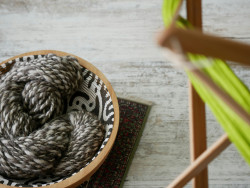
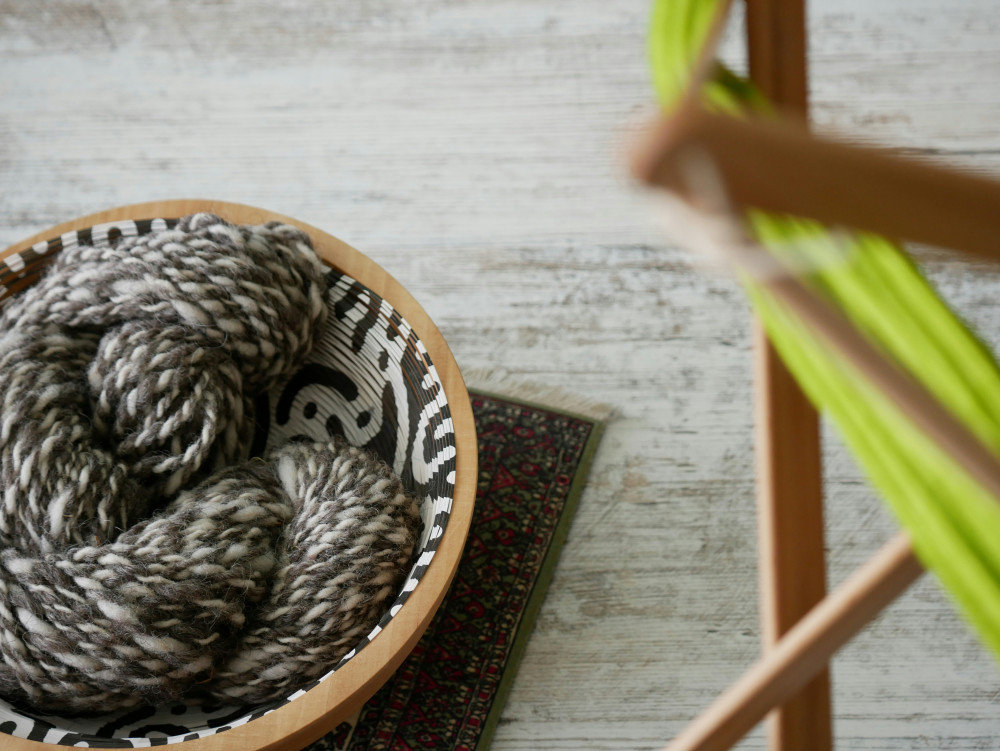
Yarn bowls – let yourself be inspired by shapes and materials
Make your knitting time more comfortable with a practical and beautiful yarn bowl
Hobby
Hobby
Yarn bowl
Handicraft
Knitting
Crochet
Creative leisure
4 min
Yarn bowls combine function and aesthetics in handicrafts. Get an overview of different shapes and materials, and find inspiration for the yarn bowl that best suits your style and creative space.
Ben Anderson
Ben
Anderson
Canvases – see the selection and get inspired
Create your own artworks with the right canvas as a foundation
Hobby
Hobby
Canvas
Creative hobby
Art
Paint
Inspiration
2 min
Find inspiration for your next painting project with our overview of canvases. Read about materials, sizes and surfaces and get a better foundation for choosing the canvas that suits your creative style.
Sarah Torres
Sarah
Torres
Create your own artworks with acrylic paints in many variations
Unleash your creativity with colours that suit every idea
Hobby
Hobby
Acrylic paint
Creative hobby
Art
Painting
Material
2 min
Discover the many possibilities of acrylic paint – from classic primary colours to special effects and professional ranges. The article provides an overview of types, properties and areas of application so that you can find the paint that suits your creative projects.
Elijah Scott
Elijah
Scott
Watercolour paintings – overview of options for both beginners and advanced
Find the right colours and tools to express your creativity with watercolour
Hobby
Hobby
Watercolour painting
Creative hobby
Art
Painting equipment
Inspiration
2 min
Watercolour painting opens up creative expression in both simple and advanced techniques. Get an overview of the different types of paint, qualities and formats, so you can choose the set that best suits your level and preferences.
Isaiah Johnson
Isaiah
Johnson
Hobby paints – Inspiration for new creative forms of expression
Let your imagination run wild with colours that bring your ideas to life
Hobby
Hobby
Hobby paints
Creativity
DIY
Art
Leisure projects
5 min
Find inspiration for your creative projects with hobby paints. The article provides an overview of different types of paints and their possible applications, so you can choose the products that best suit your ideas and materials.
Lucas Young
Lucas
Young
Denim fabrics explained – understand the properties of the materials
Get a handle on the differences before you choose fabric for your next sewing project
Make it yourself
Make it yourself
Denim
Sewing
Textiles
Hobby
Material science
4 min
Denim comes in many varieties with different weaves, weights and properties. Read how to choose the right denim fabric for your project, and gain insight into what characterises the most popular types.
Ben Anderson
Ben
Anderson
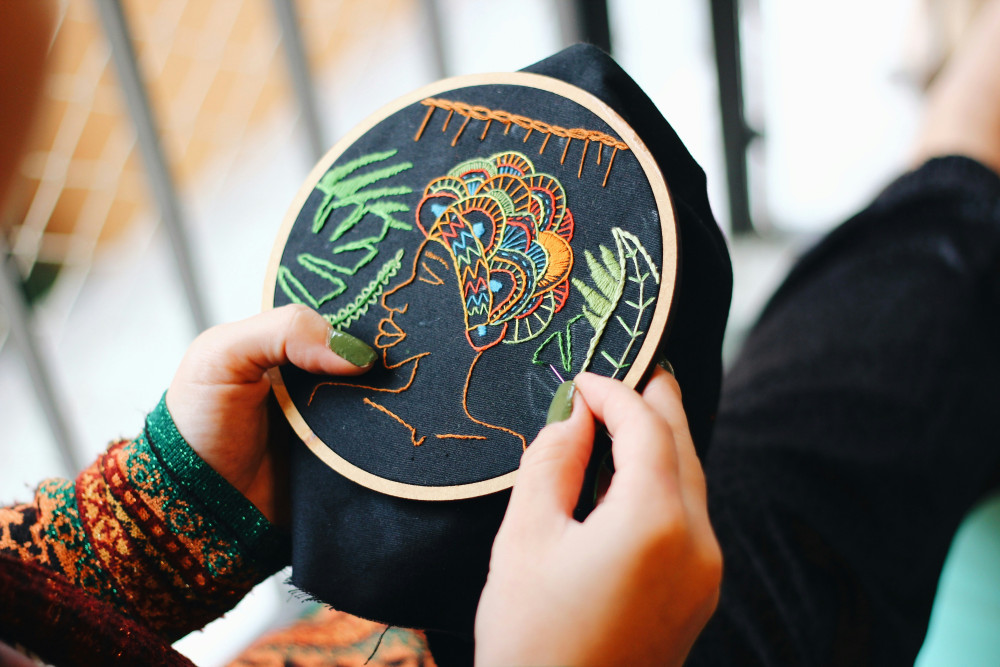
Gather ideas for new projects with a selection of embroidery kits
Unleash your creativity with colours, patterns and inspiration for new craft projects
Make it yourself
Make it yourself
Embroidery
Crafts
Creative Hobby
DIY
Inspiration
5 min
Find inspiration for your next creative project with a selection of embroidery kits. The article provides an overview of different types of sets so you can easily choose the one that suits your style and experience.
Sarah Torres
Sarah
Torres