Keep Your Hunting Dog Motivated with Varied Training

Keep Your Hunting Dog Motivated with Varied Training
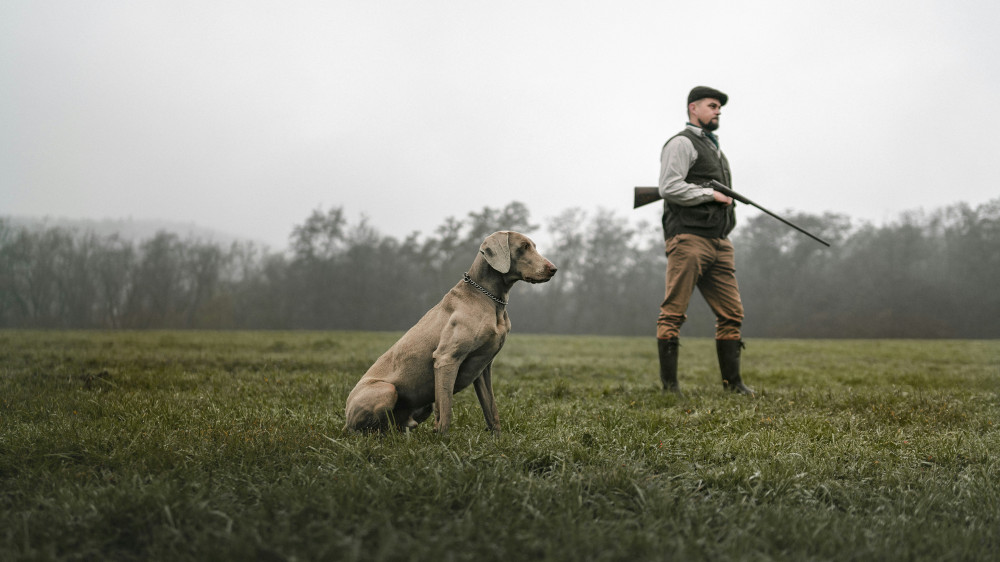
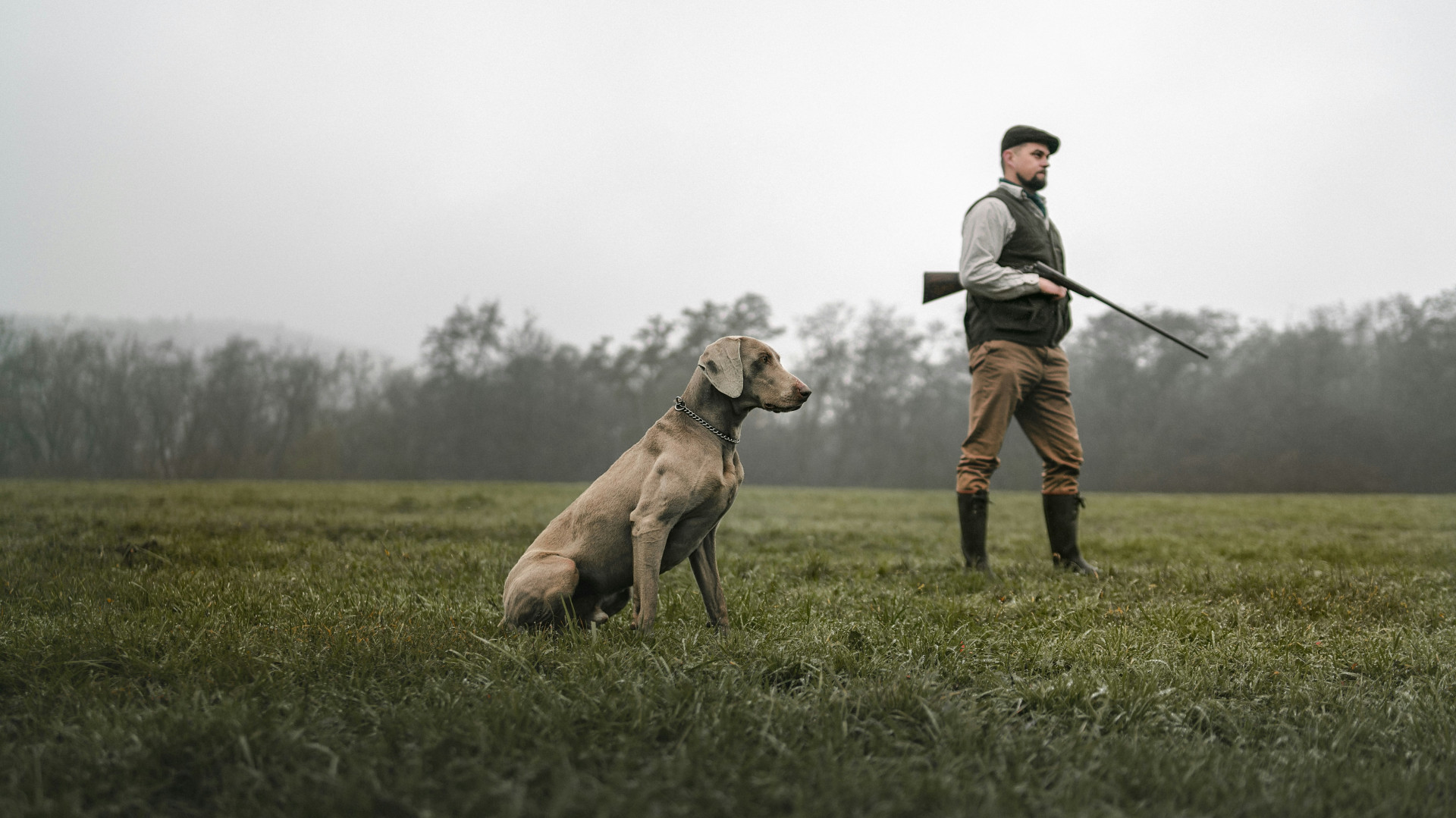
A well-trained hunting dog is not only an effective partner in the field—it’s also a happy, well-balanced companion at home. But motivation doesn’t happen by itself. Just like people, dogs need variety, challenges, and a sense of accomplishment to stay engaged. Repetitive training can lead to boredom, stress, or a lack of cooperation. Here’s how you can keep your hunting dog motivated with varied training throughout the year.
Add Variety to Your Training Sessions
While basic obedience and retrieving are the foundation of any hunting dog’s education, it’s important to keep things fresh. Repetition is necessary for learning, but too much of the same routine can drain your dog’s enthusiasm.
Try changing the environment, the level of difficulty, and the sequence of exercises. If you usually train in open fields, move to wooded areas, wetlands, or near a pond. Use different types of dummies—some with feathers, some heavier or lighter—to help your dog adapt to different hunting scenarios.
You can also combine exercises: have your dog perform a short obedience sequence before a retrieve, or occasionally change the command at the last moment. These small surprises keep your dog alert and engaged.
Engage the Nose—Your Dog’s Strongest Sense
Hunting dogs love to use their noses, and scent work is one of the most rewarding and mentally stimulating forms of training. It challenges them both physically and mentally and can be varied endlessly.
Set up small scent games in your yard or on walks by hiding treats, dummies, or bird wings. Gradually increase the difficulty by letting the item sit longer or hiding it in thicker cover. You can also create short tracking exercises where your dog follows a scent trail over several hundred yards.
Scent work requires focus and patience—and it leaves your dog tired, satisfied, and proud of a job well done.
Make Play Part of the Training
Play isn’t just for puppies. For many hunting dogs, play is a powerful motivator that strengthens the bond between dog and handler. Use play as a reward after a well-executed exercise—this could be a quick game of tug, a short retrieve, or a fun chase together.
Play can also help your dog unwind after a demanding training session. It reinforces the idea that training is enjoyable, which boosts your dog’s eagerness to work next time.
Adjust Training to Age and Temperament
A young dog needs short, varied sessions filled with praise and success. Too much pressure or overly long sessions can quickly discourage it. An older dog may not have the same stamina but can still enjoy lighter exercises and plenty of scent work.
Learn to read your dog’s signals. If it loses focus, yawns, or starts sniffing around, it’s time for a break or a change of pace. A motivated dog is one that feels understood and challenged at the right level.
Læs også:
Train with Others
Training with other handlers can bring new energy to both you and your dog. Your dog learns to work amid distractions, and you gain inspiration from others’ techniques. Many local hunting clubs and retriever associations in the U.S. offer group training sessions where you can exchange experiences and get feedback.
It’s also a great way to socialize your dog—teaching it to stay focused on you even when other dogs and people are nearby. That’s an essential skill during hunts and field trials.
Remember Rest and Recovery
Motivation isn’t just about activity—it’s also about balance. A hunting dog that never gets downtime will quickly lose its edge. Make sure your dog has time to rest after training or hunting. Provide a quiet, comfortable space where it can relax without distractions.
Recovery is part of the training process—it’s when learning takes hold and the body rebuilds. A well-rested dog is more focused, happier, and ready for new challenges.
Make Training Part of Everyday Life
Training doesn’t always have to be formal or structured. You can weave small exercises into daily routines—asking your dog to wait at the door, walk calmly on leash, or fetch an item on command. These moments reinforce teamwork and give your dog a sense of purpose.
When training becomes a natural part of your daily interactions, it’s easier to maintain motivation—for both you and your dog.
A Motivated Dog Is a Happy Dog
Keeping your hunting dog motivated ultimately comes down to balancing challenge, variety, and joy. A dog that gets to use its instincts in different ways becomes not only a better hunting partner but also a more content and well-rounded companion in everyday life.
Læs også: