How to find your passion in creative leisure activities
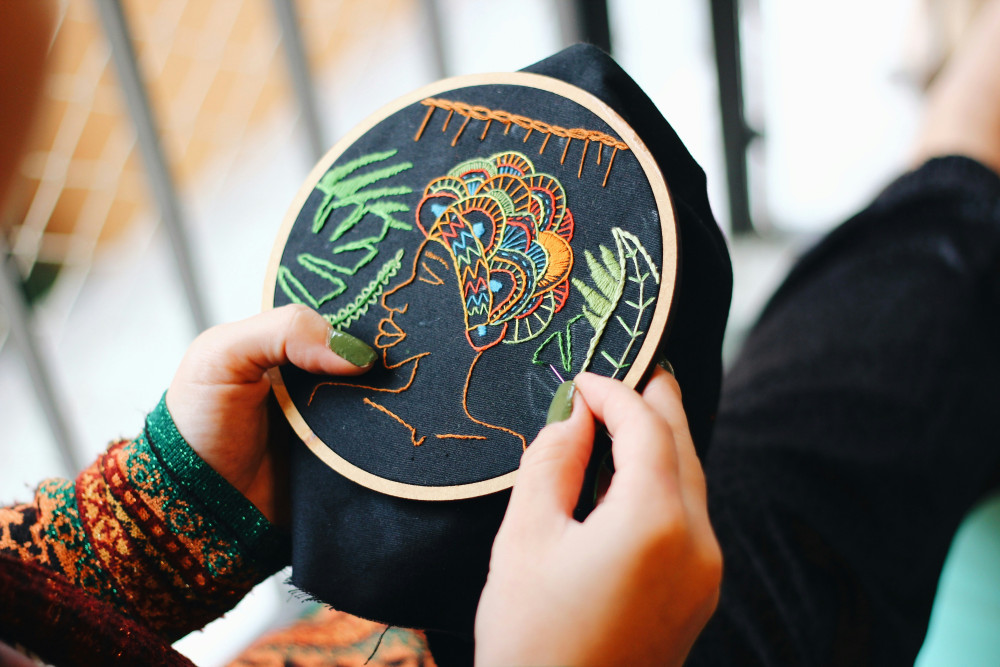
Discover how to discover and develop your passion for creative hobbies. This e-book guides you through various possibilities from painting to needlework and helps you find the activity that brings you joy and challenges.
Get the e-book

Plan Your Hunting Route – Move Quietly and Efficiently Through the Hunting Grounds

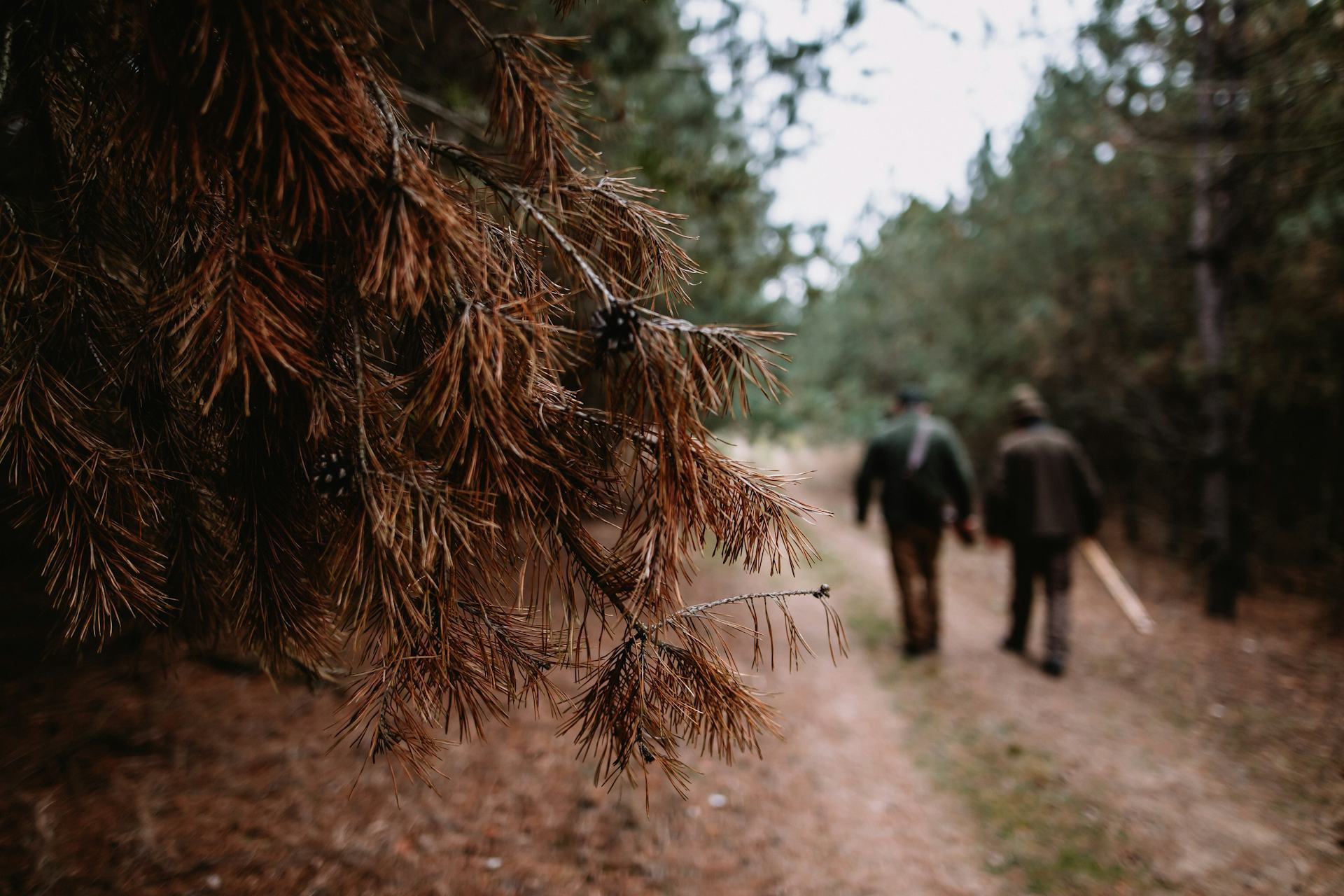
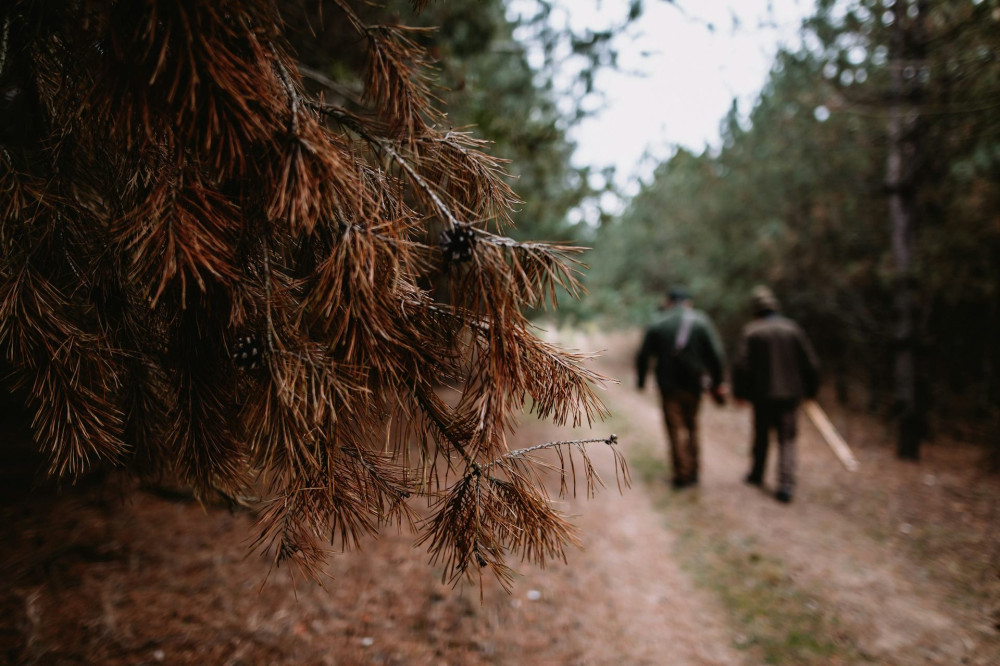
Master the art of moving silently and strategically for a more successful hunt
Hunting
Hunting
2 min
Every great hunt starts with a smart plan. Learn how to map your route, read the terrain, and move quietly through the hunting grounds to increase your chances of success while staying safe and ethical in the field.
Isaiah Johnson
Isaiah
Johnson

Plan Your Hunting Route – Move Quietly and Efficiently Through the Hunting Grounds

Master the art of moving silently and strategically for a more successful hunt
Hunting
Hunting
2 min
Every great hunt starts with a smart plan. Learn how to map your route, read the terrain, and move quietly through the hunting grounds to increase your chances of success while staying safe and ethical in the field.
Isaiah Johnson
Isaiah
Johnson

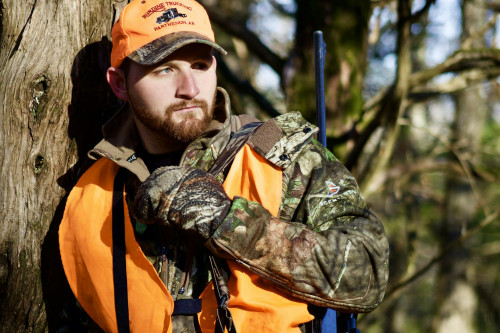
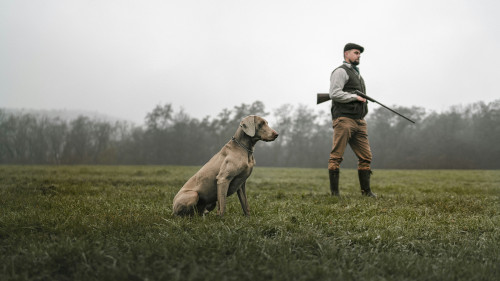
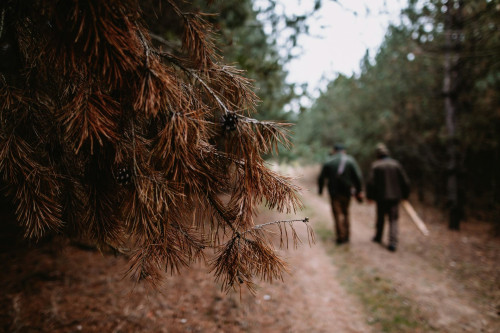
A successful hunt begins long before you step into the woods with your rifle or bow. It starts at home—with maps, weather forecasts, and careful thought about how to move quietly and efficiently through your hunting area. A well-planned route can make the difference between a rewarding day in the field and going home empty-handed. Here’s how to plan your hunting route so you move silently, safely, and with the best chance of success.

Know Your Terrain

The first step is to understand the land you’ll be hunting. Whether you’re on public land, private property, or a leased area, knowing the terrain is key. Study the layout—ridges, valleys, timber stands, open fields, creeks, and the natural travel routes of game animals.

Use topographic maps, GPS apps, or satellite imagery to mark:

  • Game trails and bedding areas – such as feeding zones, water sources, and thick cover.
  • Prevailing wind directions – plan your route so you move with the wind in your face, not at your back.
  • Quiet paths – soft ground like grass, moss, or damp soil that muffles your steps.
  • Observation points – ridges or edges where you can glass the area without being seen.

The better you know the terrain, the more naturally and quietly you can move through it.

Plan for Wind and Weather

Wind is both a hunter’s ally and enemy. Deer, elk, and other game rely heavily on their sense of smell, and one wrong wind can give you away instantly. Always check the forecast before heading out and adjust your route to match the day’s conditions.

  • Headwind: Ideal—your scent is carried away from the game.
  • Crosswind: Manageable if you move carefully and stay aware of animal positions.
  • Tailwind: Avoid if possible—it increases the risk of being detected.

Also consider temperature and moisture. Damp ground absorbs sound, while dry leaves or frozen soil amplify it. These small details can determine how close you can get before being noticed.

Move Quietly and Naturally

Moving silently takes practice. It’s not just about walking slowly—it’s about being aware of every step and every sound.

  • Step with your whole foot, not heel-to-toe as you normally would.
  • Avoid snapping twigs or crunching leaves—choose soft ground whenever possible.
  • Pause often to listen. The woods will tell you a lot if you give it time.
  • Use natural cover: move behind brush, along tree lines, or through shaded areas.

A good rule of thumb is that you should be able to stop and take a shot without shifting your stance. That means staying balanced, calm, and ready at all times.

Use Technology Wisely

Modern tools can make route planning easier. GPS units, hunting apps, and satellite maps help you mark trails, stand locations, and game sightings. Many apps even show wind direction and property boundaries.

But remember—technology should support your instincts, not replace them. Batteries die, signals drop, and screens can distract. Always carry a paper map and compass as backup, and rely on your senses first.

Safety and Ethics in the Field

A good hunting route also accounts for safety. Know the boundaries of your hunting area and be aware of where other hunters might be. If you’re hunting with a group, share maps and mark stand locations so everyone knows where others are positioned.

Respect the land and the wildlife. Avoid disturbing areas with nesting or young animals, and leave the environment as you found it. A quiet, respectful approach not only improves your chances of success but also deepens your connection to nature.

After the Hunt – Learn from Your Route

When the day is done, take time to review your route. Where did you see game? Where did you get winded or spotted? How did the wind and terrain affect your movement? Record your observations so you can refine your plan next time.

Over time, you’ll build valuable knowledge about the land and the animals’ behavior—making each hunt more efficient and rewarding.

A Quiet Hunt Is a Better Hunt

Planning your hunting route isn’t just about increasing your odds of success. It’s about becoming part of the landscape—moving with awareness, patience, and respect. When you learn to move quietly and think like the game you pursue, hunting becomes more than a sport—it becomes a shared experience with the natural world.

Use Your Senses – Experience the Hunt More Intensely with Sight, Sound, and Smell
Awaken your senses and discover a deeper connection to nature on your next hunt
Hunting
Hunting
Hunting
Outdoor Skills
Nature Connection
Mindfulness
Sensory Awareness
7 min
Hunting is more than skill and equipment — it’s about awareness. Learn how to use sight, sound, and smell to heighten your perception, improve your success, and experience the wilderness with greater presence and calm.
Ben Anderson
Ben
Anderson
Read the Wind Right: How to Use Weather Conditions for a Better Hunt
Master the art of reading the wind to turn every hunt into a success
Hunting
Hunting
Hunting
Wind Reading
Outdoor Skills
Weather
Wildlife
5 min
Discover how understanding wind direction, terrain, and weather patterns can dramatically improve your hunting results. Learn to use nature’s cues to stay undetected, plan your approach, and make the most of every opportunity in the field.
Sarah Torres
Sarah
Torres
Keep Your Hunting Dog Motivated with Varied Training
Keep your hunting dog eager and focused with training that challenges both body and mind
Hunting
Hunting
Hunting Dog
Dog Training
Motivation
Outdoor Activities
Working Dogs
7 min
Discover how to maintain your hunting dog’s motivation through varied and engaging training. Learn practical ways to add diversity, stimulate the senses, and balance work with play to build a confident and enthusiastic hunting partner.
Elijah Scott
Elijah
Scott
Plan Your Hunting Route – Move Quietly and Efficiently Through the Hunting Grounds
Master the art of moving silently and strategically for a more successful hunt
Hunting
Hunting
Hunting
Outdoor Skills
Wildlife
Strategy
Safety
2 min
Every great hunt starts with a smart plan. Learn how to map your route, read the terrain, and move quietly through the hunting grounds to increase your chances of success while staying safe and ethical in the field.
Isaiah Johnson
Isaiah
Johnson
Shoot Accurately: Adjust Your Technique for Distance and Angle
Master the art of precision by adapting your shooting technique to every situation
Hunting
Hunting
Shooting Technique
Accuracy
Marksmanship
Outdoor Skills
Training
7 min
Learn how to refine your aim by adjusting for distance, angle, and environmental factors. This guide helps you understand the science behind accurate shooting and develop the skills needed for consistent, confident performance in any setting.
Lucas Young
Lucas
Young
Yarn bowls – let yourself be inspired by shapes and materials
Make your knitting time more comfortable with a practical and beautiful yarn bowl
Hobby
Hobby
Yarn bowl
Handicraft
Knitting
Crochet
Creative leisure
4 min
Yarn bowls combine function and aesthetics in handicrafts. Get an overview of different shapes and materials, and find inspiration for the yarn bowl that best suits your style and creative space.
Ben Anderson
Ben
Anderson
Canvases – see the selection and get inspired
Create your own artworks with the right canvas as a foundation
Hobby
Hobby
Canvas
Creative hobby
Art
Paint
Inspiration
2 min
Find inspiration for your next painting project with our overview of canvases. Read about materials, sizes and surfaces and get a better foundation for choosing the canvas that suits your creative style.
Sarah Torres
Sarah
Torres
Create your own artworks with acrylic paints in many variations
Unleash your creativity with colours that suit every idea
Hobby
Hobby
Acrylic paint
Creative hobby
Art
Painting
Material
2 min
Discover the many possibilities of acrylic paint – from classic primary colours to special effects and professional ranges. The article provides an overview of types, properties and areas of application so that you can find the paint that suits your creative projects.
Elijah Scott
Elijah
Scott
Watercolour paintings – overview of options for both beginners and advanced
Find the right colours and tools to express your creativity with watercolour
Hobby
Hobby
Watercolour painting
Creative hobby
Art
Painting equipment
Inspiration
2 min
Watercolour painting opens up creative expression in both simple and advanced techniques. Get an overview of the different types of paint, qualities and formats, so you can choose the set that best suits your level and preferences.
Isaiah Johnson
Isaiah
Johnson
Hobby paints – Inspiration for new creative forms of expression
Let your imagination run wild with colours that bring your ideas to life
Hobby
Hobby
Hobby paints
Creativity
DIY
Art
Leisure projects
5 min
Find inspiration for your creative projects with hobby paints. The article provides an overview of different types of paints and their possible applications, so you can choose the products that best suit your ideas and materials.
Lucas Young
Lucas
Young
Denim fabrics explained – understand the properties of the materials
Get a handle on the differences before you choose fabric for your next sewing project
Make it yourself
Make it yourself
Denim
Sewing
Textiles
Hobby
Material science
4 min
Denim comes in many varieties with different weaves, weights and properties. Read how to choose the right denim fabric for your project, and gain insight into what characterises the most popular types.
Ben Anderson
Ben
Anderson
Gather ideas for new projects with a selection of embroidery kits
Unleash your creativity with colours, patterns and inspiration for new craft projects
Make it yourself
Make it yourself
Embroidery
Crafts
Creative Hobby
DIY
Inspiration
5 min
Find inspiration for your next creative project with a selection of embroidery kits. The article provides an overview of different types of sets so you can easily choose the one that suits your style and experience.
Sarah Torres
Sarah
Torres