When Your Body Changes – How to Adjust Your Diet Throughout Life

When Your Body Changes – How to Adjust Your Diet Throughout Life
Your body is constantly evolving. From the rapid growth of childhood and the energy of adolescence to the steadiness of adulthood and the slower pace of later years, each stage of life brings new nutritional needs. The diet that works well in one phase may not be ideal in the next. By understanding how your body changes over time, you can make choices that support your health, energy, and overall well-being. Here’s how to adjust your diet as your body changes.
Childhood and Teen Years – Building Blocks for Growth
During childhood and adolescence, the body is developing at full speed. Bones, muscles, and the brain are growing, which means the need for energy and nutrients is high.
- Protein supports growth and muscle development. Good sources include lean meats, fish, eggs, dairy, beans, and lentils.
- Calcium and vitamin D help build strong bones, while iron supports healthy blood and oxygen transport—especially important for girls after puberty.
- Whole grains, fruits, and vegetables provide fiber, vitamins, and minerals that strengthen the immune system and aid digestion.
This is also the time when lifelong eating habits begin to form. Encouraging balanced meals, regular eating times, and a variety of foods can set the stage for a healthy adulthood.
Adulthood – Balance and Prevention
Once the body has finished developing, nutrition becomes more about maintaining balance and preventing disease. Energy needs often decrease slightly, especially for those with sedentary jobs, but nutrient needs remain high.
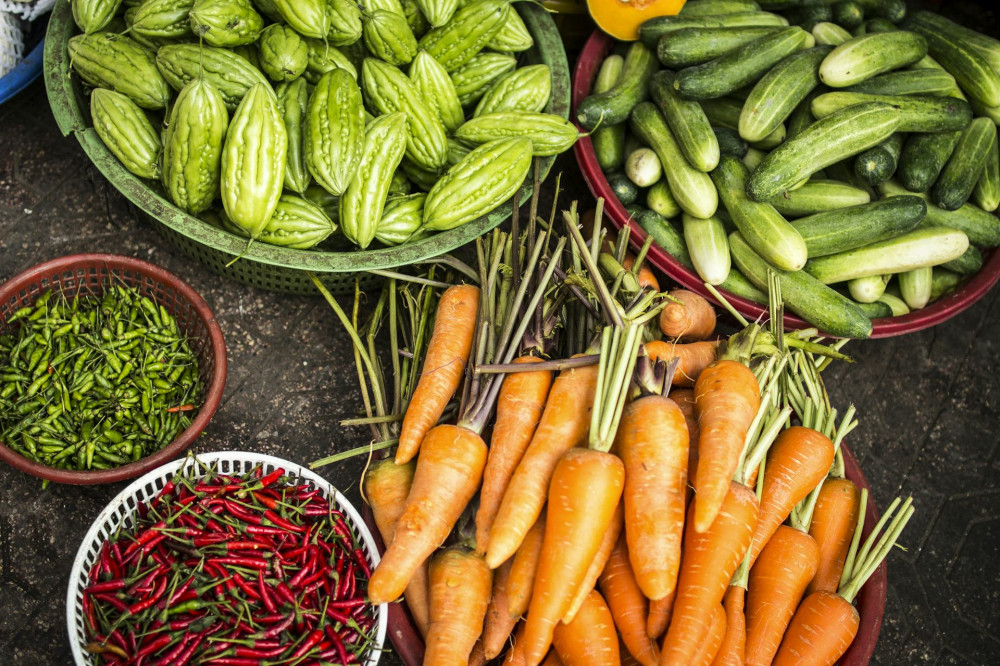
- Eat a variety of colorful foods to ensure you get a wide range of vitamins and minerals.
- Watch portion sizes—small adjustments can prevent gradual weight gain.
- Healthy fats from fish, nuts, and plant oils support heart health.
- Fiber from whole grains, fruits, and vegetables helps digestion and stabilizes blood sugar.
This is also when many people start noticing how diet affects energy, sleep, and mood. Staying hydrated and maintaining consistent eating patterns can make a big difference in daily well-being.
Midlife – When Metabolism Shifts
Starting in your 40s, metabolism naturally slows, and muscle mass tends to decrease unless you stay active. That means your body burns fewer calories, even if your appetite hasn’t changed.
- Prioritize protein to help preserve muscle mass.
- Cut back on added sugars and refined carbs, which can lead to weight gain more easily.
- Load up on vegetables and whole grains for lasting energy and fullness.
- Pay attention to hormonal changes—for women, menopause can affect weight, mood, and sleep. Foods rich in plant estrogens, such as soybeans and lentils, may help ease some symptoms.
The goal isn’t to eat less, but to eat smarter—focusing on nutrient quality rather than quantity.
Læs også:



Later Years – Strength, Energy, and Enjoyment
As we age, appetite, taste, and digestion often change. Many older adults eat less, yet their bodies still need plenty of nutrients to maintain strength and resilience.
- Protein remains essential—try to include it in every meal.
- Calcium, vitamin D, and vitamin B12 become increasingly important for bone, muscle, and nerve health.
- Easy-to-digest foods and smaller, more frequent meals can help if appetite is low.
- Stay hydrated—the sense of thirst can diminish with age, so make a habit of drinking water regularly.
Food should nourish both body and spirit. Flavor, color, and shared meals can bring joy and connection, which are just as vital to health as nutrients themselves.
Listen to Your Body – It Knows What It Needs
There’s no single diet that fits everyone. Your body sends signals—fatigue, bloating, mood changes, or shifts in weight—that can tell you when something needs adjusting.
Adapting your diet through life isn’t about strict rules; it’s about awareness and flexibility. When you give your body what it needs at each stage, you support lasting health, steady energy, and a sense of well-being that carries you through every chapter of life.
Læs også: