Eat with Rhythm – Use Meals and Portions as Tools for Balance

Eat with Rhythm – Use Meals and Portions as Tools for Balance
In a busy American lifestyle, meals often become something we squeeze in between work, errands, and family commitments. But the rhythm of how we eat – when, how, and how much – plays a major role in our energy, focus, and overall well-being. By using meals and portions as tools, you can create a structure that supports both physical and mental balance.
Why Rhythm Matters
Our bodies thrive on consistency. Eating at roughly the same times each day helps keep blood sugar levels steady, preventing the energy crashes and cravings that often lead to overeating or reaching for quick fixes. A steady rhythm also makes it easier to recognize hunger and fullness cues – signals that are easy to ignore in a fast-paced day.
Eating with rhythm doesn’t mean following a strict schedule. It’s about finding a natural flow that fits your life. For some, that might mean three main meals and a couple of snacks; for others, fewer but more filling meals work best. The key is to let your body know when to expect nourishment.
Læs også:



Meals as Anchors in Your Day
Meals can serve as small anchors that bring structure and calm to your day. Sitting down to eat signals to your body that it’s time to refuel and reset – a simple act that can reduce stress and improve digestion.
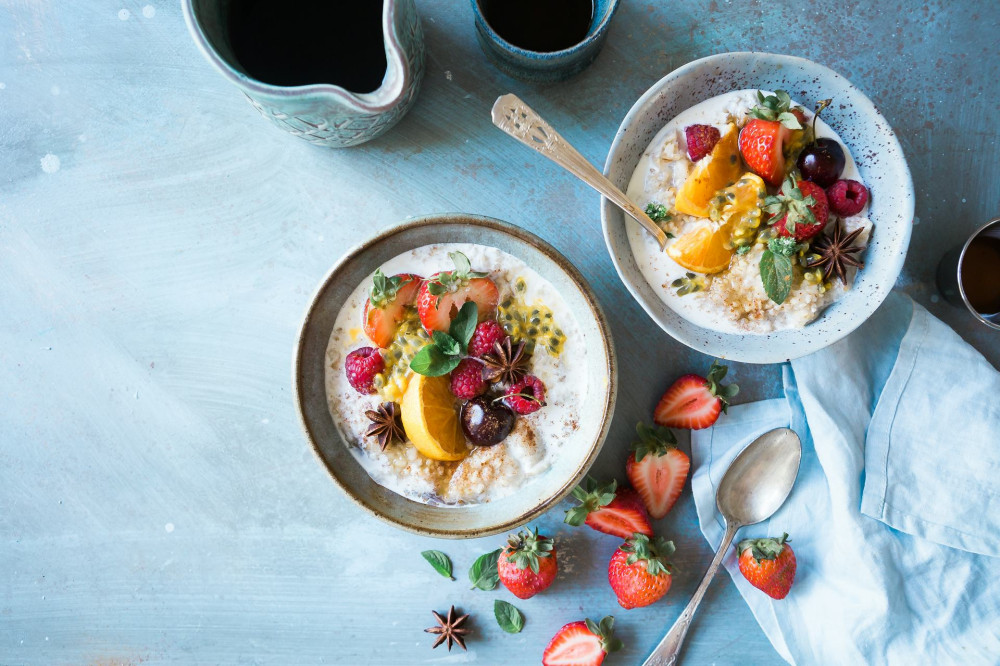
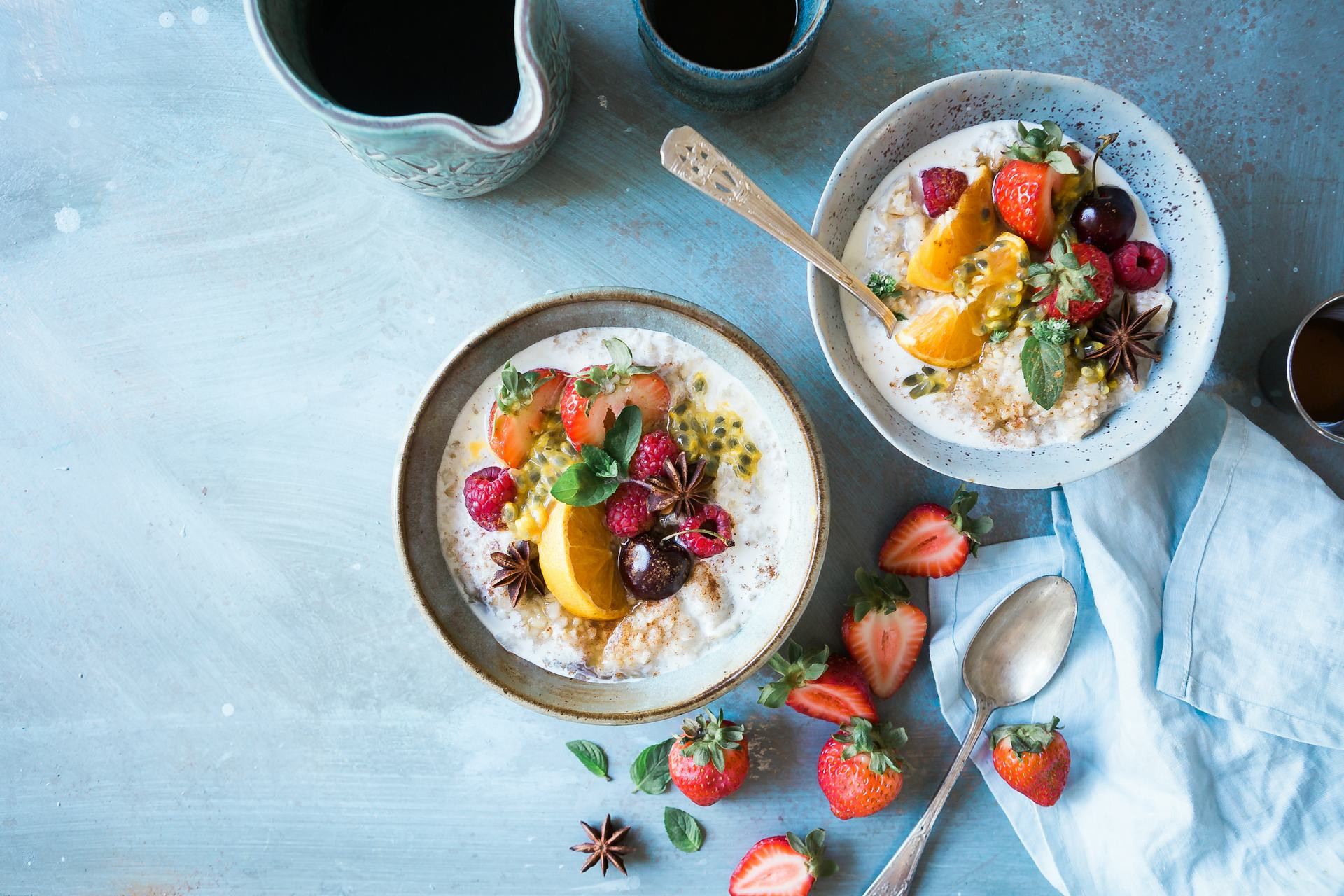
- Breakfast sets the tone for the day. A mix of protein, whole grains, and fruit or vegetables provides lasting energy. Think oatmeal with nuts and berries, or eggs with whole-grain toast and avocado.
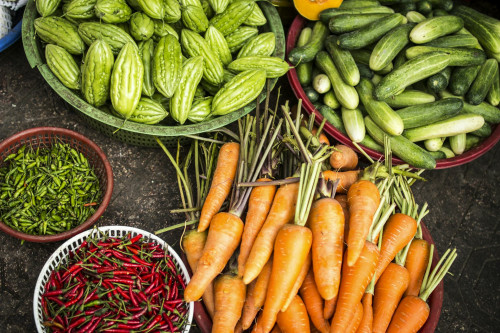
- Lunch should refuel you for the afternoon. Include colorful vegetables, lean protein, and whole grains – for example, a grain bowl with chicken and roasted veggies.
- Dinner helps you wind down and nourish your body for recovery. Focus on balance and variety rather than heaviness.
If you go long stretches between meals, a small snack – like a handful of almonds, a piece of fruit, or Greek yogurt – can help keep your energy steady.
Portions as Tools for Balance
Portion awareness isn’t about restriction; it’s about mindfulness. By paying attention to how much you eat, you can find a balance where you feel satisfied without overeating.
A simple visual guide is the plate method:
- Fill half your plate with vegetables or salad,
- One-quarter with protein (such as fish, chicken, beans, or eggs),
- One-quarter with whole grains or starchy vegetables like brown rice or sweet potatoes.
This approach provides both nourishment and satisfaction – no calorie counting required. Over time, your body learns what balanced portions look and feel like.
Listen to Your Body’s Signals
Eating with rhythm also means tuning in to your body. Eat when you’re hungry, and stop when you’re comfortably full – not just when your plate is empty. This can take practice, especially if you’re used to eating quickly or while distracted.
Notice how you feel before, during, and after a meal. Do you feel energized, sluggish, or content? These cues can help you understand which foods and portion sizes work best for you.
Create Your Own Rhythm
There’s no single “right” way to eat. Some people thrive on structured meal times, while others prefer more flexibility. What matters most is finding a rhythm that fits your lifestyle and feels sustainable.
A helpful first step is to plan your meals for a few days at a time. This reduces last-minute decisions and ensures you have balanced options ready when hunger strikes.
And remember: balance isn’t about perfection. It’s about creating a rhythm that gives you energy, calm, and a sense of control – both in your body and in your everyday life.
Læs også: