Shared Spaces That Bring People Together – How Campgrounds Create Room for Everyone

Shared Spaces That Bring People Together – How Campgrounds Create Room for Everyone
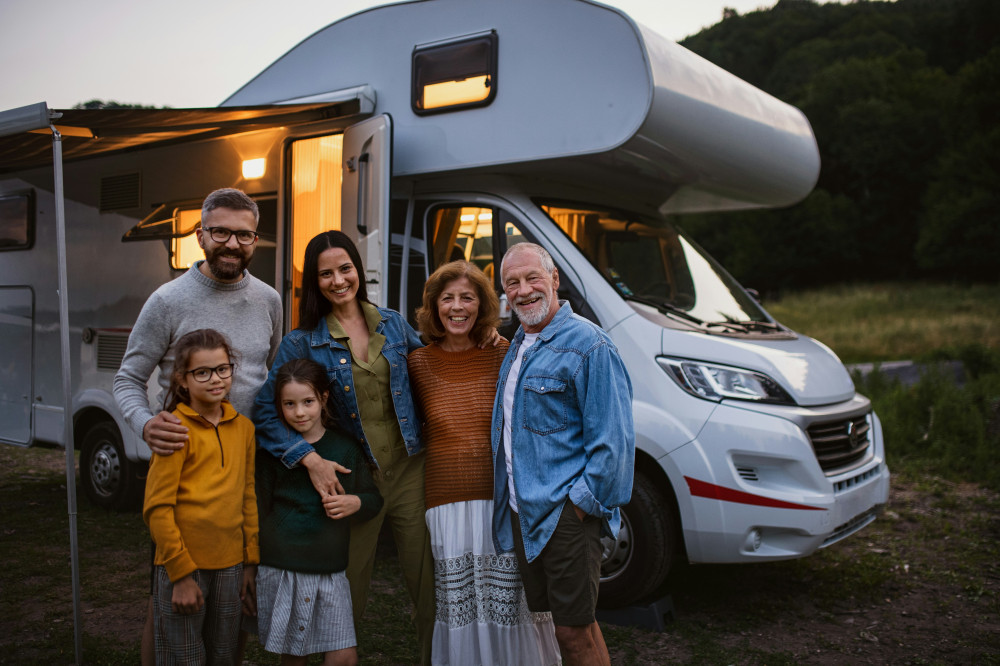
When you go camping, it’s never just about having a place to sleep. It’s about community, experiences, and that special atmosphere that arises when people connect across ages, interests, and backgrounds. The best campgrounds know how to create spaces where everyone feels welcome—and shared areas play a key role in that. From fire pits and playgrounds to communal kitchens and lounge zones, these are the places where friendships form and memories take root.
The Heart of the Campground
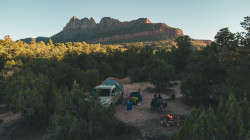
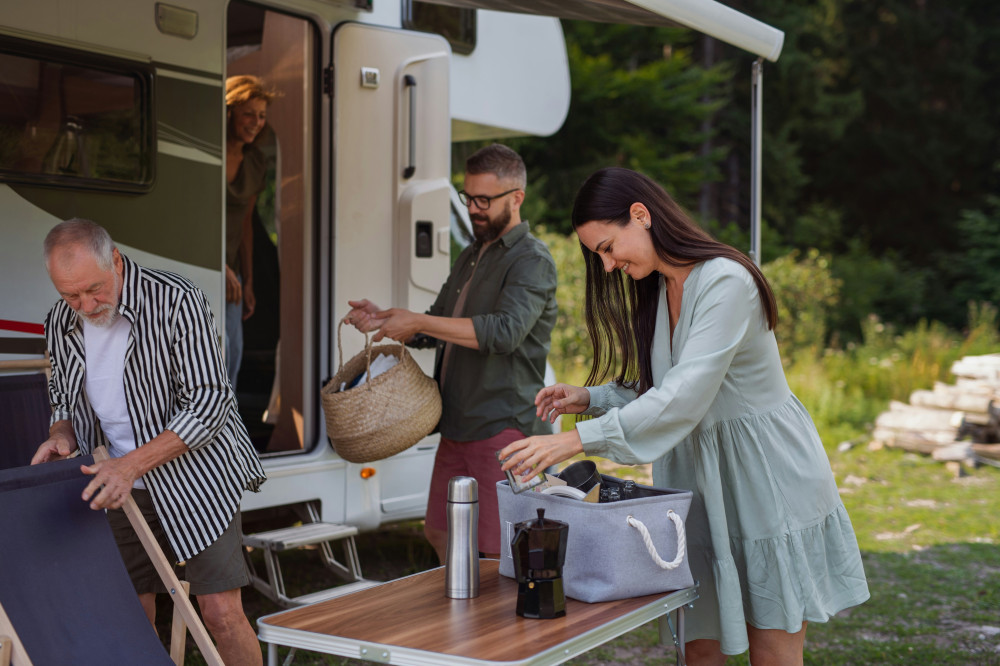
A good shared space is the heart of any campground. It’s where guests meet over morning coffee, swap hiking tips, or lend a hand lighting the grill. Many campgrounds intentionally design natural gathering spots where people can be social or simply enjoy being around others.
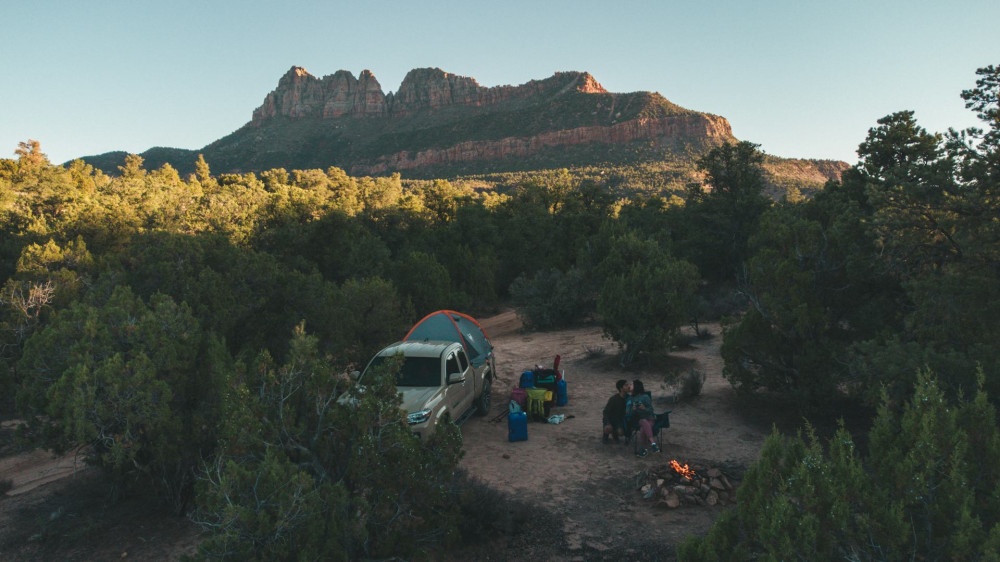
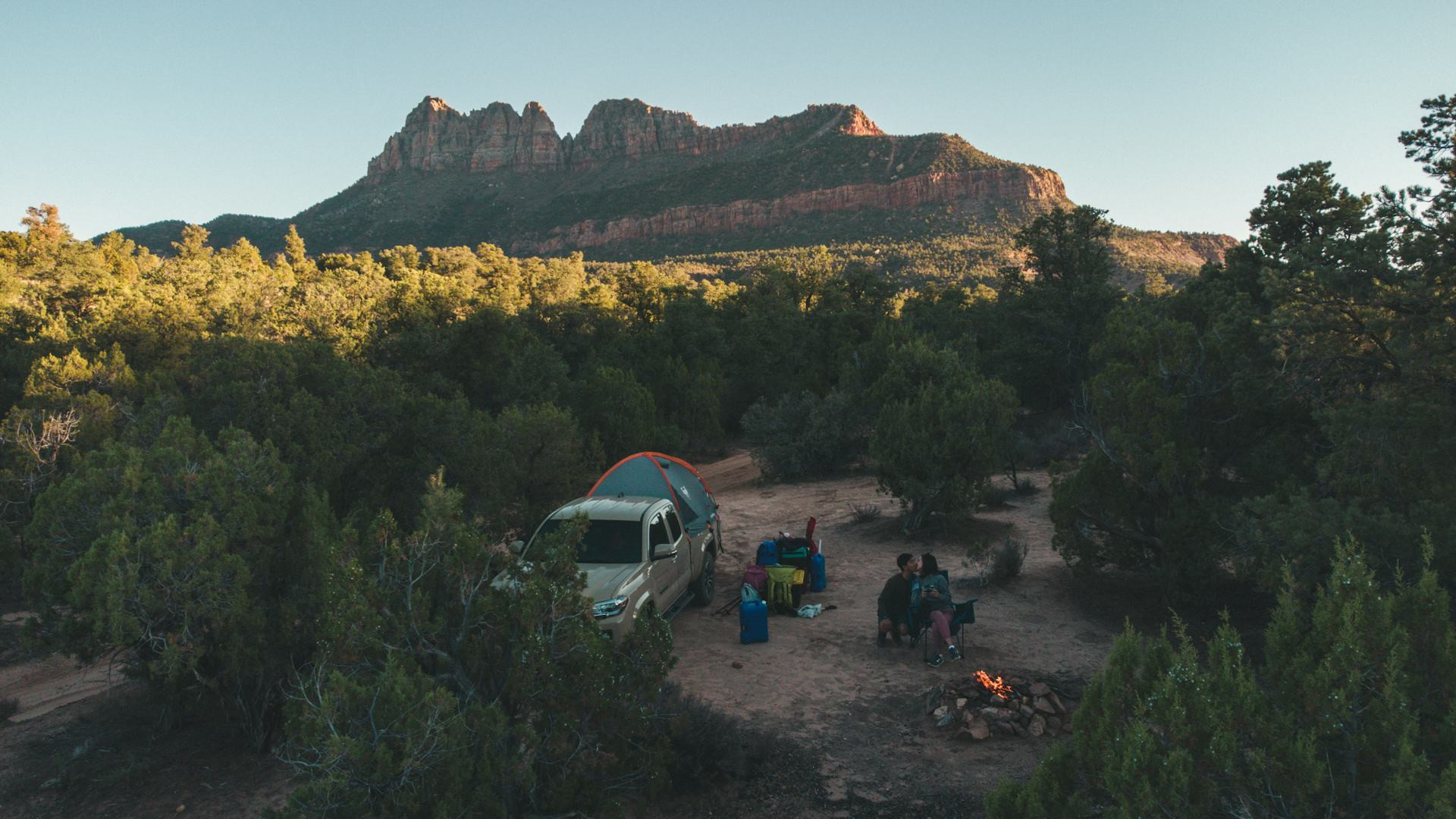
A simple campfire ring, for example, can bring generations together. Kids roast marshmallows while adults share stories about the day’s adventures. It doesn’t take much—just a place where people can gather without pressure or pretense.
Thoughtful Design
When campgrounds plan their shared spaces, it’s not just about looks—it’s about function and accessibility. A well-designed area considers that guests have different needs. Some seek activity and energy, while others crave peace and nature.
- Location: Shared spaces should be central enough to encourage interaction but far enough from campsites to preserve quiet for those who want it.
- Accessibility: Ramps, wide paths, and clear signage make it easier for everyone to participate, including guests with limited mobility.
- Flexibility: A space that can host morning yoga, afternoon games, and evening potlucks stays lively all day long.
Across the U.S., more campgrounds are embracing sustainable materials and eco-friendly solutions—like solar lighting, rainwater collection, and recycled furniture—to create spaces that are both inviting and responsible.
Activities That Bring People Together
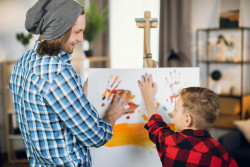
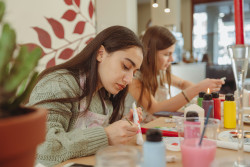
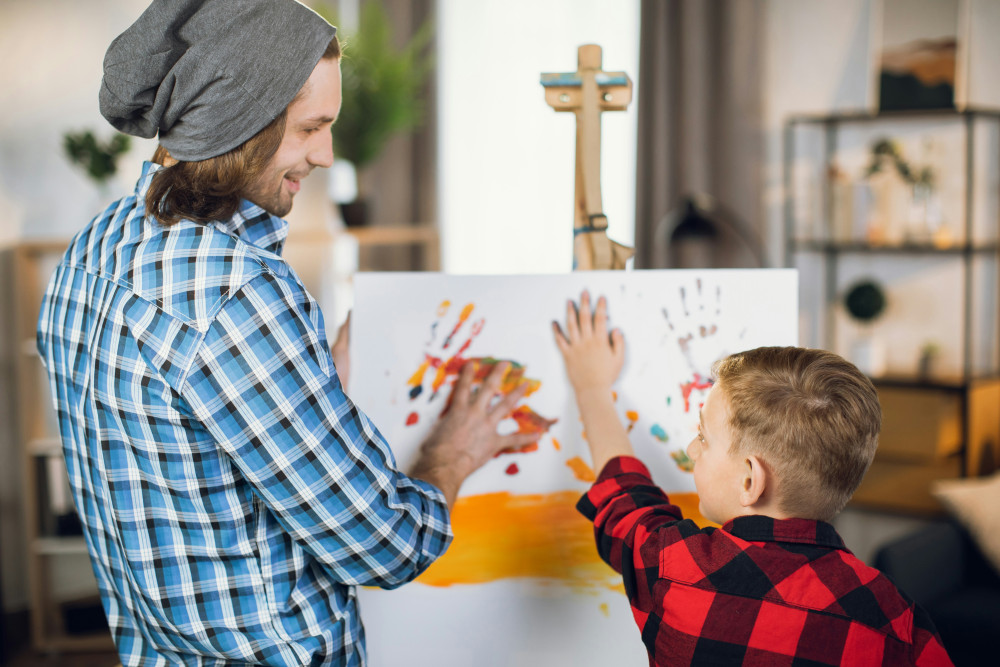
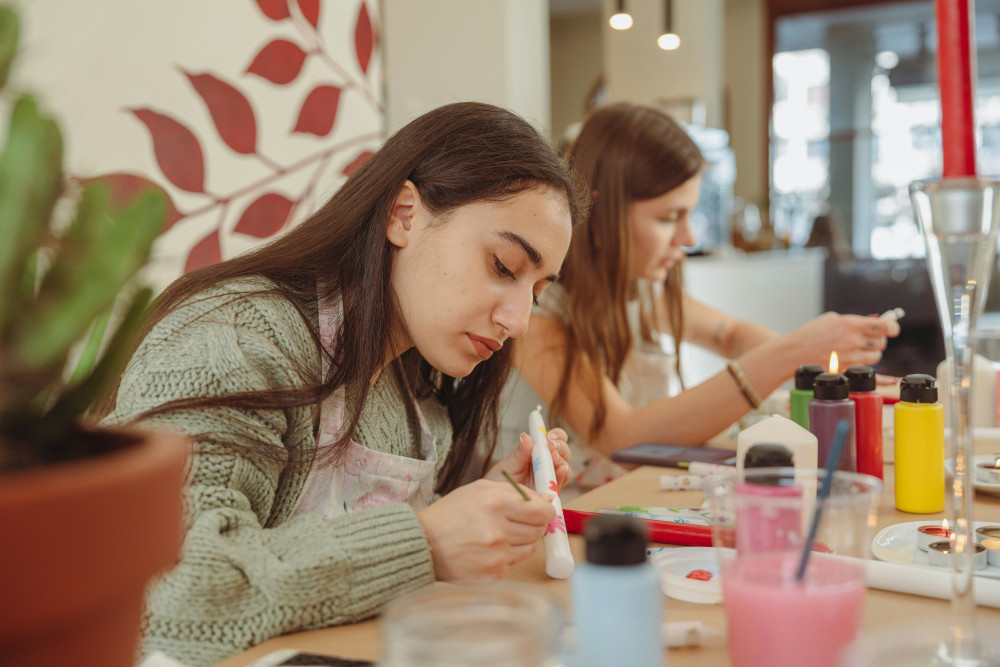
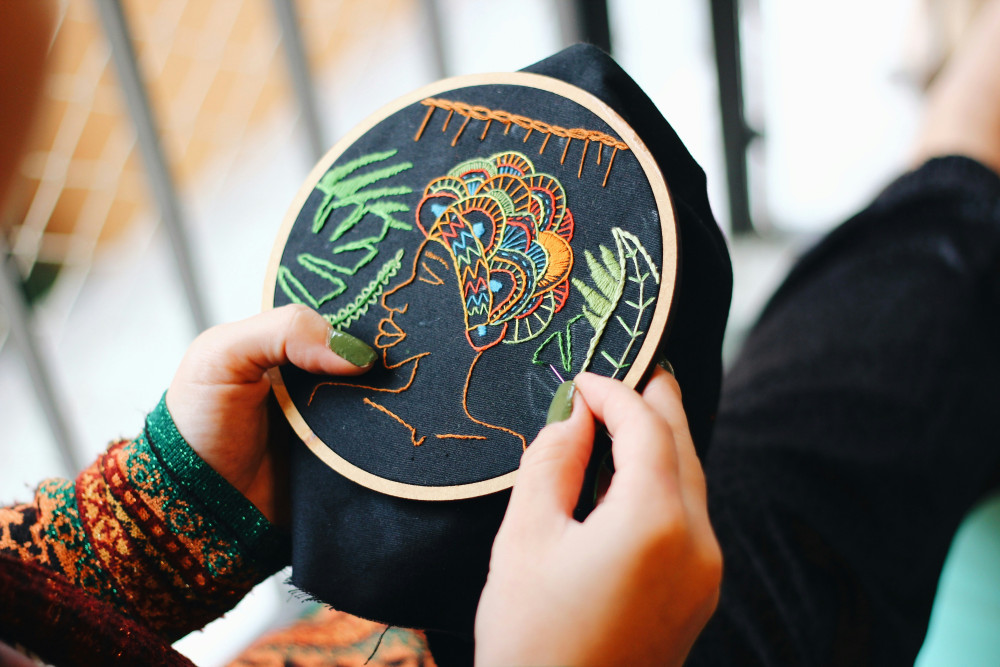
Shared spaces truly come alive when they’re used. That’s why many campgrounds organize activities that invite connection. It might be a communal cookout, a live music night, a guided nature walk, or a craft workshop.
A shared kitchen is a perfect example: travelers from different states—or even countries—meet over simmering pots and sizzling pans, and conversations flow naturally. For families, playgrounds and sports fields become social hubs, while older guests might prefer quiet evenings in a lounge area overlooking the lake or forest.
Læs også:

Balance Between Togetherness and Tranquility
While shared spaces are about community, it’s equally important to create room for calm. Many campgrounds include small nooks with benches, hammocks, or walking trails where guests can retreat without feeling isolated. This balance between activity and rest allows everyone to find their own rhythm within the shared experience.
Shared Spaces as Identity
For many campgrounds, shared spaces have become part of their identity. They reflect the campground’s values and atmosphere. A site with a large communal kitchen signals openness and social energy, while one focused on nature and serenity might emphasize quiet zones and scenic overlooks.
This diversity is what makes camping so special: there’s room for both connection and contemplation—and it all begins with the spaces we share.
A Place for Everyone
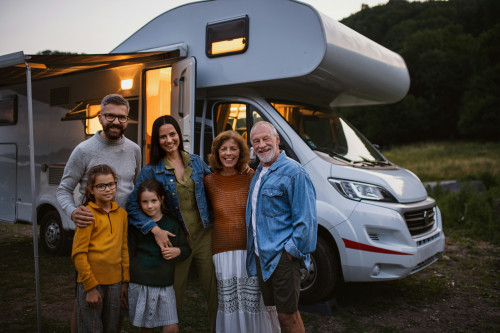
Whether you’re traveling solo, with family, or as part of a group, a well-designed shared space can turn a good camping trip into an unforgettable one. It’s about creating places where everyone feels welcome and where differences become opportunities for connection.
When campgrounds invest in shared spaces, they’re really investing in people. Because in the end, it’s not the facilities but the sense of community that makes camping truly remarkable.
Læs også: