Inclusive Communities at the Campground – When Camping Brings People Together

Inclusive Communities at the Campground – When Camping Brings People Together
Camping in the United States is about more than pitching a tent, parking an RV, or roasting marshmallows by the fire. For many, it’s about connection — meeting new people, sharing experiences, and finding a place where everyone feels welcome. At the campground, freedom and community often go hand in hand, creating a space where diversity becomes a strength and where people of all ages can find belonging.
A Community Across Generations
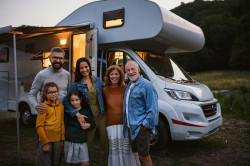
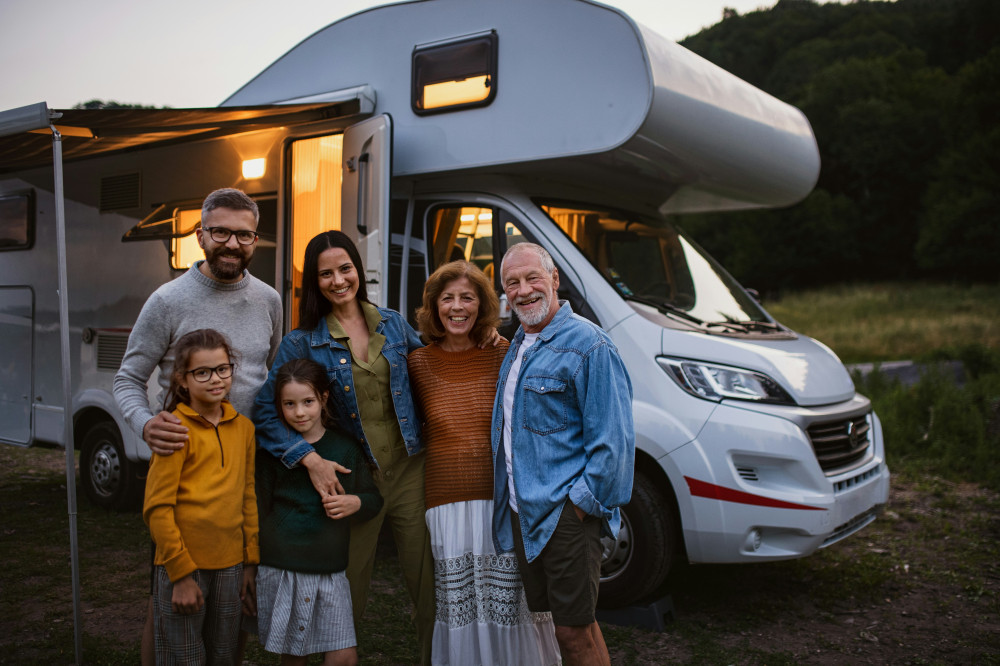
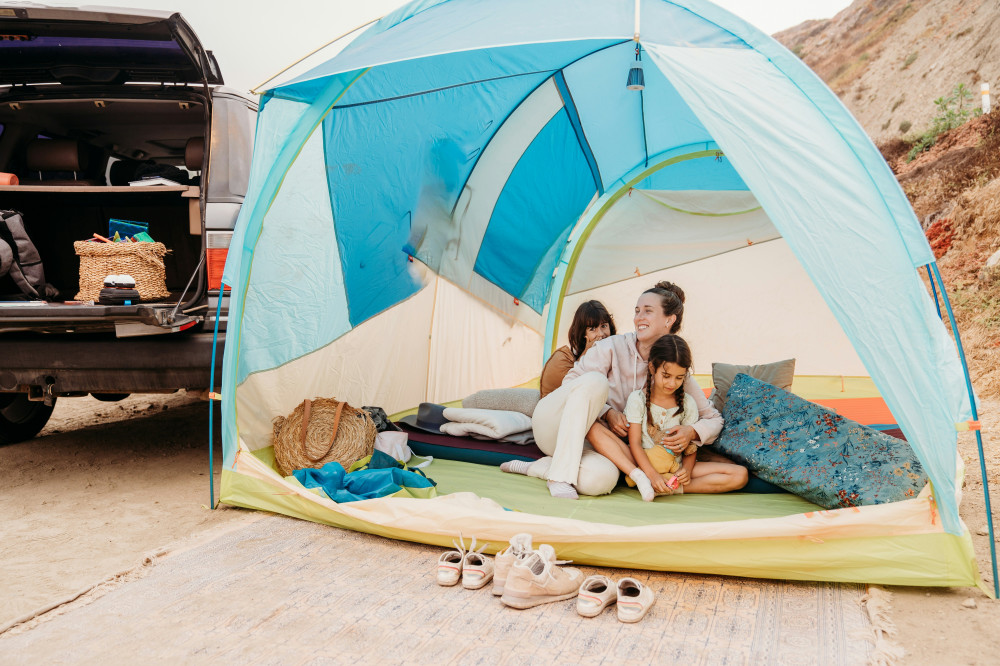
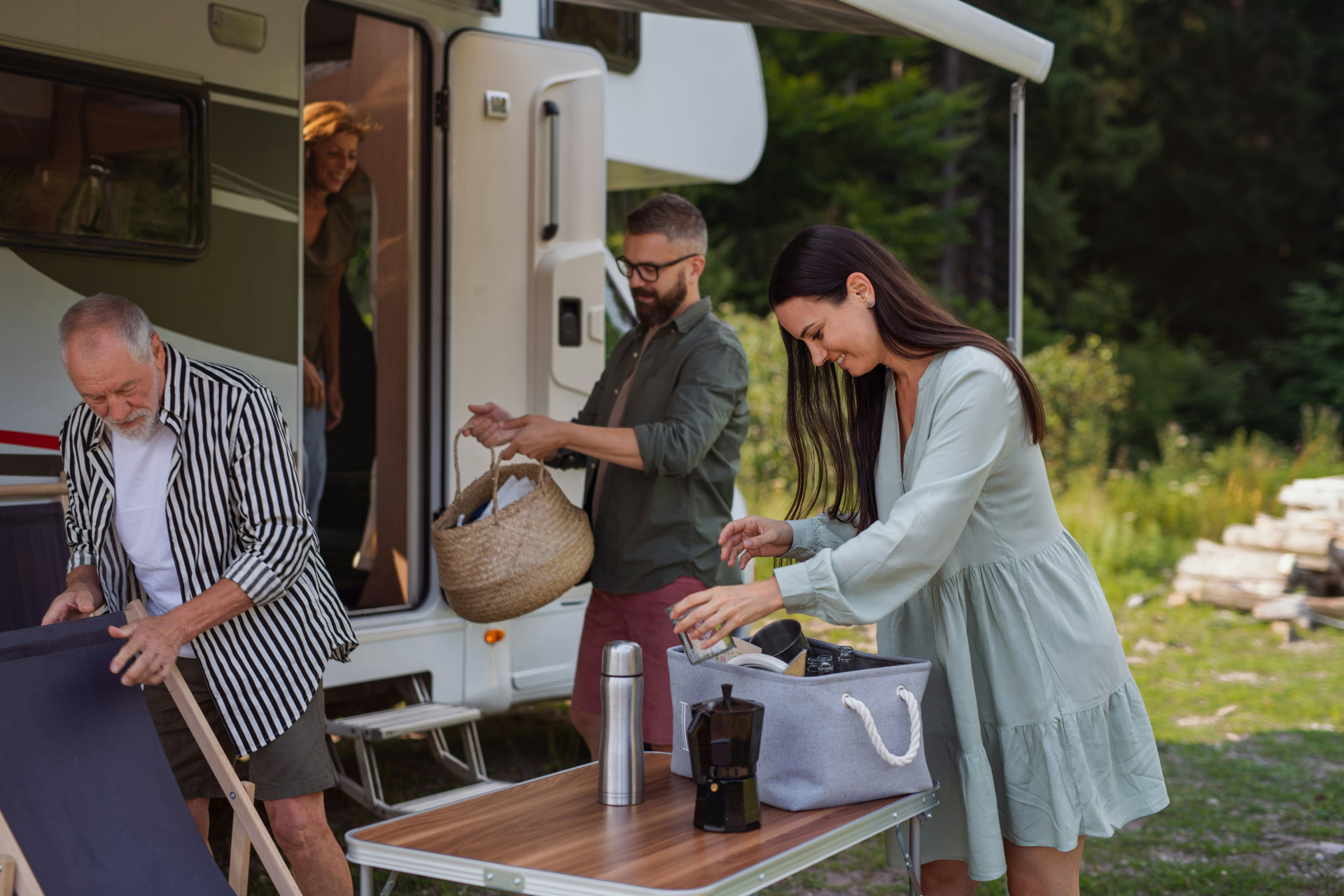
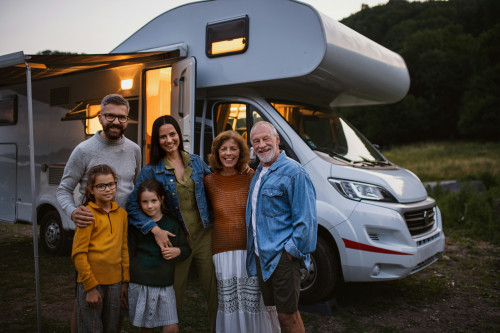
One of the most special things about camping is how it brings people together across generations. Grandparents teach their grandkids how to build a campfire, while the family next door stops by to share s’mores. There are no strict roles or expectations — everyone participates in their own way.
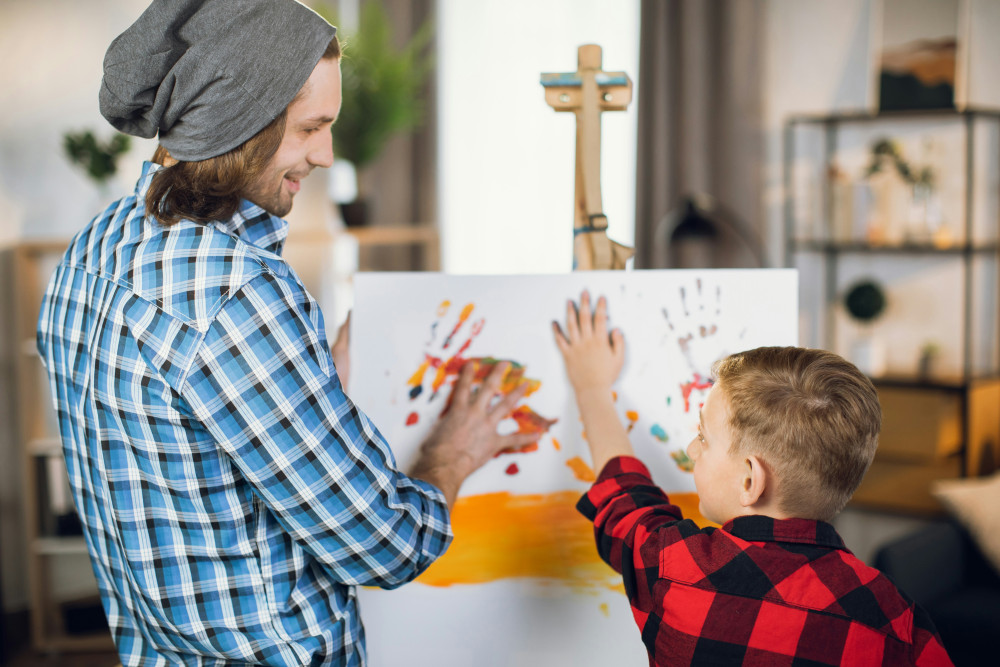
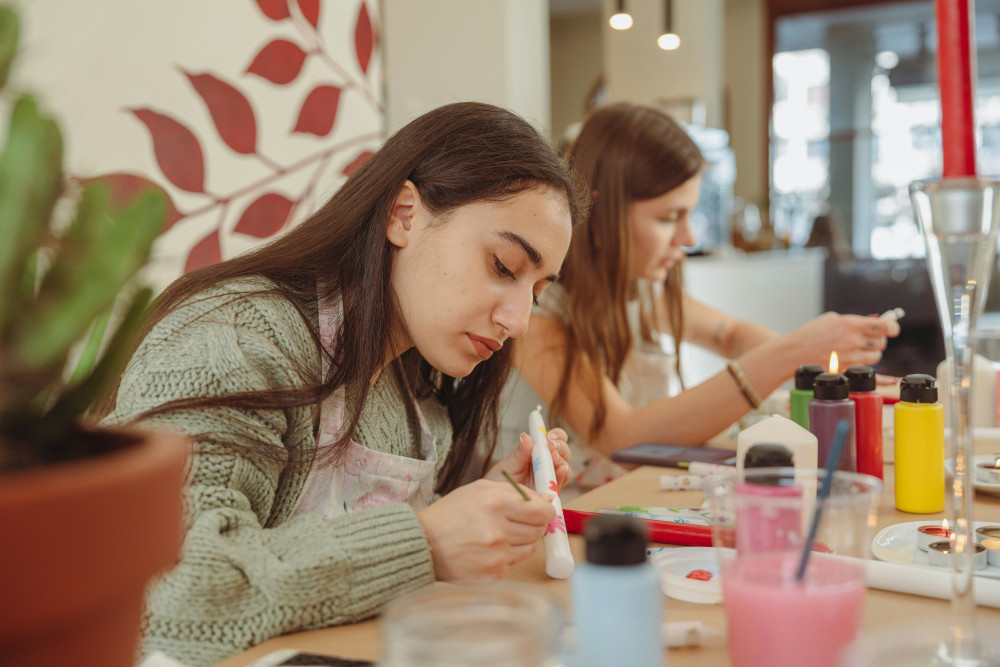
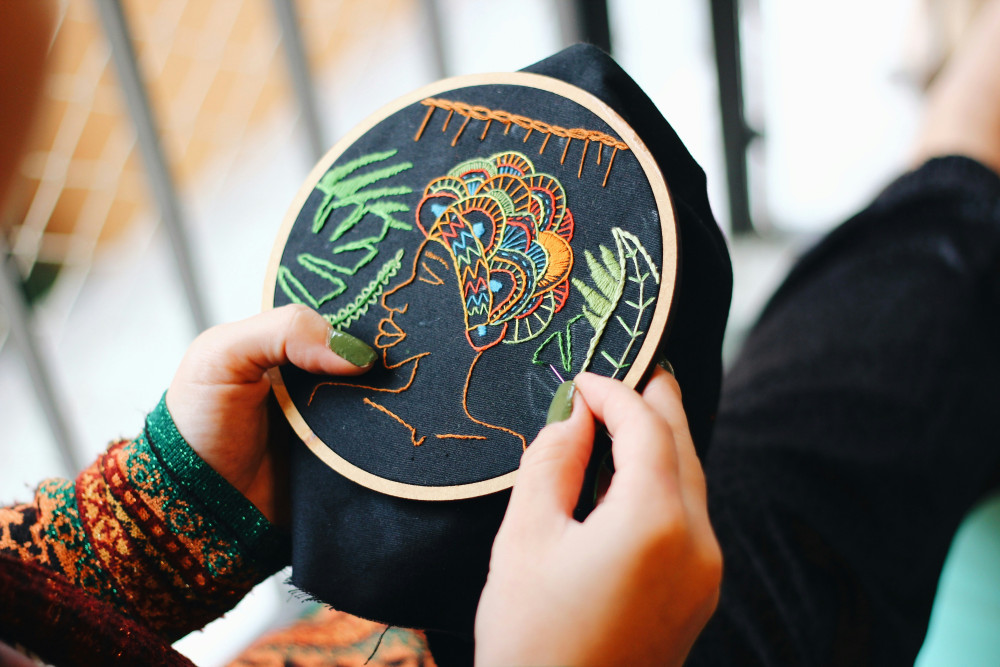
Many campgrounds today focus on creating activities that appeal to a wide range of campers: potluck dinners, outdoor movie nights, guided hikes, and craft workshops. These shared experiences make it easy for families, solo travelers, and retirees alike to connect in a relaxed, welcoming environment.
When Differences Become Strengths
A campground is like a small, temporary town. People come from different places, with different stories and reasons for being there. Some seek peace and quiet, others crave social interaction. Some stay for a weekend, others for the whole season. This mix of backgrounds and perspectives creates a unique energy — one that encourages openness and understanding.
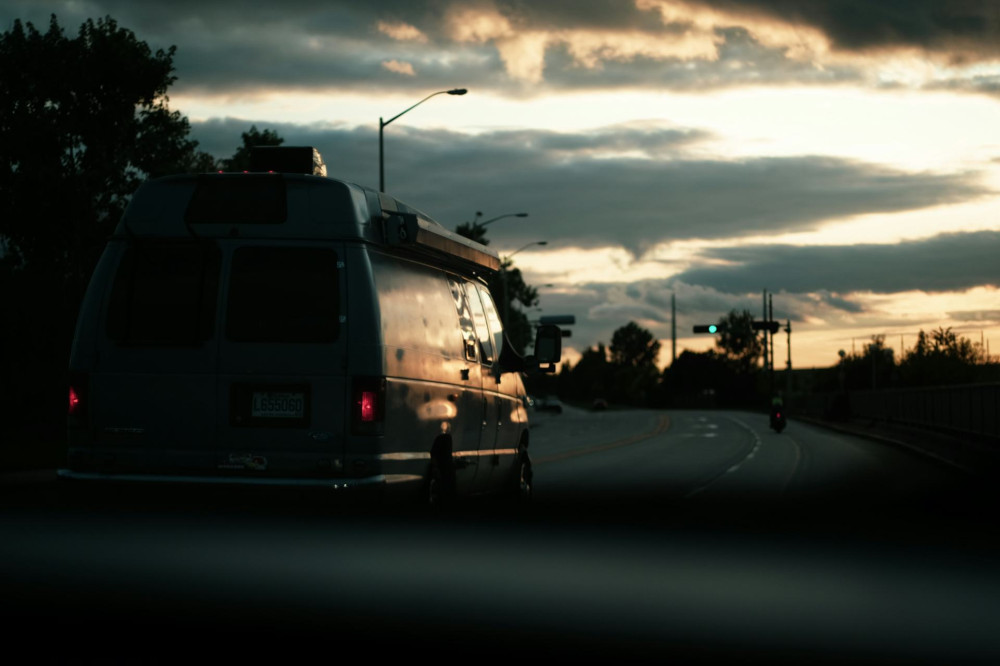
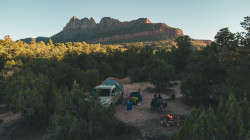
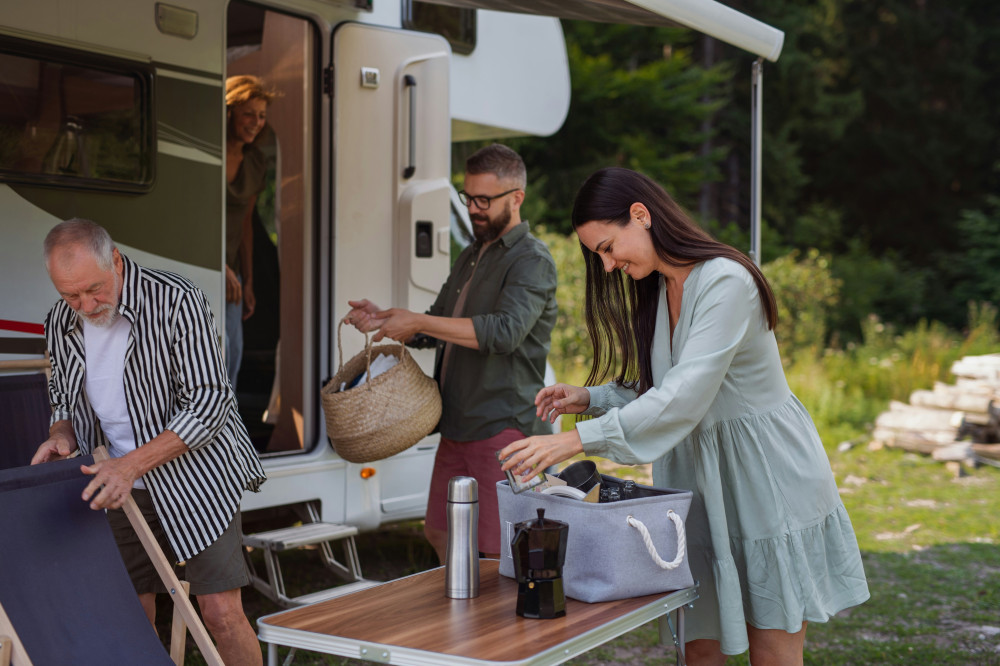
Across the country, many campgrounds are making a conscious effort to be inclusive. Whether you arrive in a luxury motorhome, a converted van, or on a bicycle, the goal is the same: to make everyone feel at home. It’s about creating a culture of kindness — greeting your neighbors, lending a hand when someone’s setting up their tent, or sharing a cup of coffee at sunrise.
The Small Rituals of Togetherness
It’s often the little things that make camping communities so special. A shared barbecue, a chat while washing dishes at the communal sink, or a spontaneous game of frisbee on the grass. These small moments build friendships that last long after the trip is over — and they’re what keep people coming back year after year.
Many campgrounds have traditions that repeat every summer: Fourth of July cookouts, evening campfire sing-alongs, or morning yoga by the lake. These rituals act as social anchors, giving both newcomers and returning campers a sense of belonging and continuity.
Inclusion in Practice
Inclusion at the campground isn’t just about being friendly — it’s about creating spaces where everyone can participate. That might mean accessible facilities for campers with disabilities, sensory-friendly activities for children with special needs, or quiet zones for those seeking solitude. Some campgrounds even partner with community organizations to make outdoor recreation more accessible to underrepresented groups.
When a campground becomes a place where people can be themselves and still feel part of something larger, a special kind of connection emerges. It’s this sense of belonging that many campers describe as the heart of the camping experience.
A Reflection of Society
In many ways, a campground mirrors society — a small-scale version of how we live together, share resources, and show respect for one another. Children learn cooperation by helping with chores, adults practice patience and generosity, and everyone is reminded of the joy that comes from simple, shared experiences.
At a time when many communities feel fragmented, camping offers a refreshing reminder of what togetherness can look like. It’s a space where people meet without pretense, where differences don’t divide but enrich the experience.
Læs også:

A Community That Lasts
When the trip ends and the gear is packed away, campers take home more than memories of starry nights and scenic trails. They carry with them the feeling of having been part of a community — a place where they were seen, heard, and included.
In the end, camping is about more than a getaway. It’s about people coming together, helping one another, and creating small moments of connection that linger long after the campfire fades. And perhaps that’s why camping continues to draw new generations — because it reminds us how much we need one another.
Læs også: