When Cultures Meet: The Evolution of Musical Instruments Through Time

When Cultures Meet: The Evolution of Musical Instruments Through Time
Music has always been part of what makes us human—from the first rhythms beaten on stones and wood to the complex electronic soundscapes of today. The instruments we play tell the story of how cultures have met, mingled, and inspired one another across millennia. Every tone, every material, and every design carries traces of exchange, invention, and curiosity.
From Nature’s Sounds to the First Instruments
Long before written history, people were making music. Archaeologists have discovered flutes carved from bird bones and mammoth ivory that are more than 40,000 years old. These early instruments were likely used in rituals, hunting, and communication, showing that music already had deep social and spiritual meaning.
Drums and rattles made from wood, stone, and animal skin appeared in nearly every early culture. They were easy to make and could bring people together through rhythm. Music was not just entertainment—it was a way to connect with nature, with the community, and with something larger than oneself.
Læs også:
Trade, Travel, and Cultural Exchange
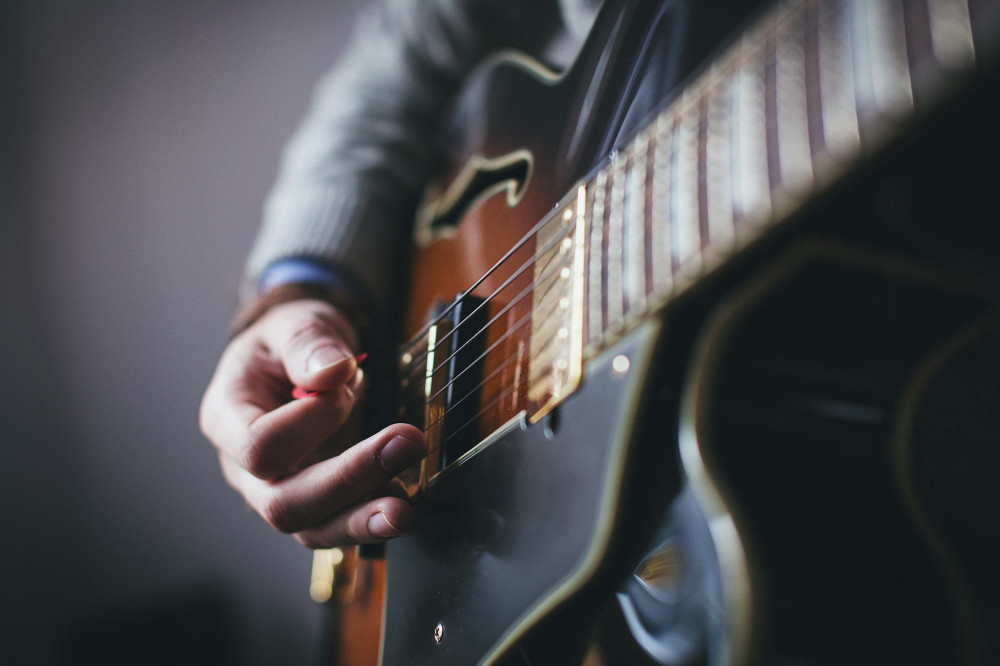
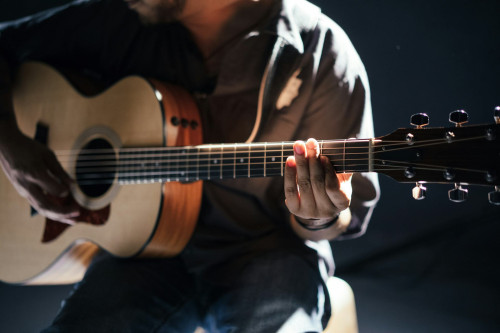
As people moved across continents, music traveled with them. The Silk Road, which linked Asia, the Middle East, and Europe, carried not only goods but also ideas and instruments. The Arabic oud inspired the European lute, which later evolved into the guitar. Flutes, harps, and drums were adapted to local materials and traditions, creating a rich diversity of sounds.
In Africa, complex rhythm instruments like the djembe and balafon developed, later influencing Western music through the painful history of slavery and colonization. In the Americas, European string instruments met Indigenous and African rhythms, giving rise to new hybrids that shaped genres such as samba, cumbia, and son. These musical fusions continue to influence global music today.
The Classical Era and the Refinement of Instruments
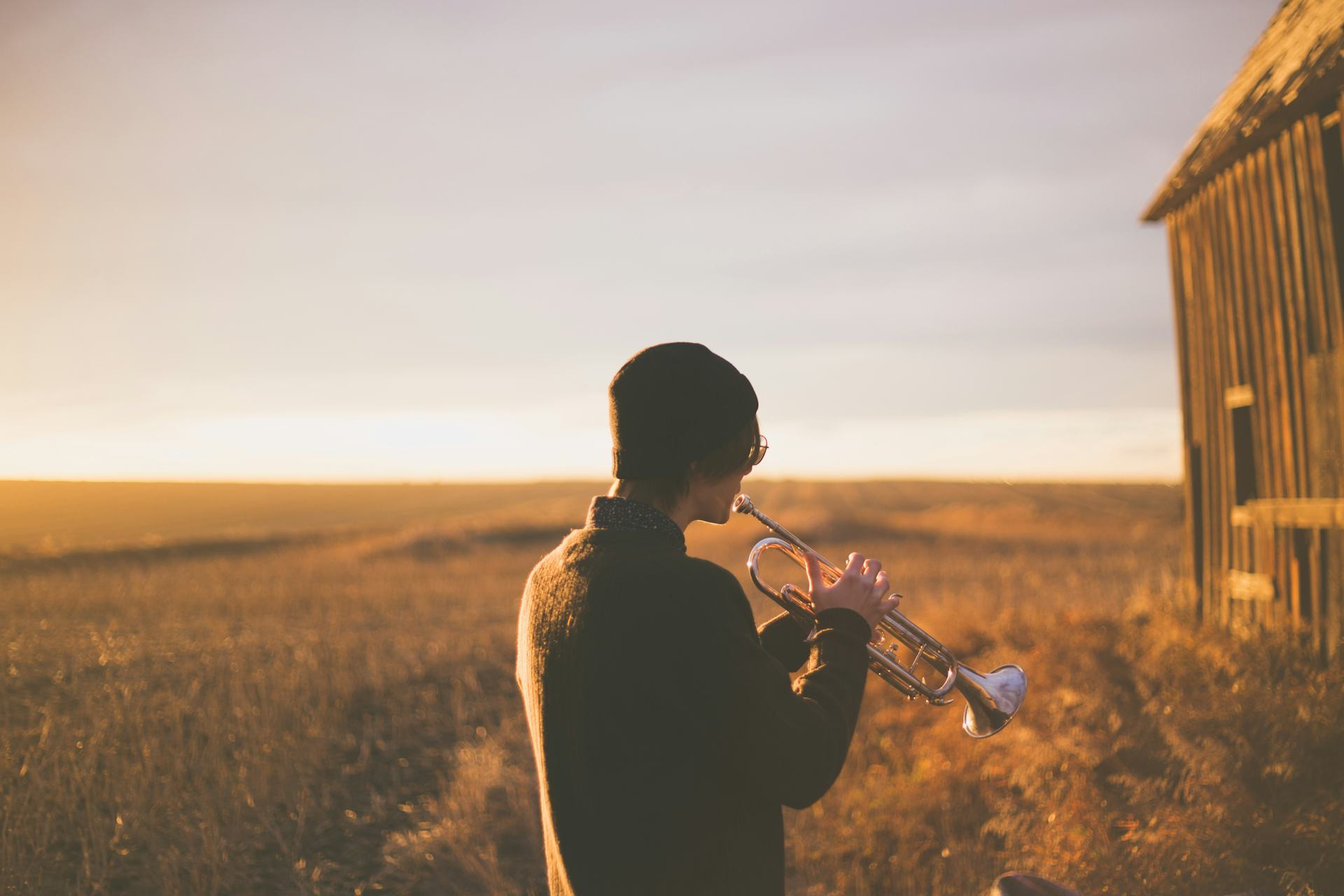
In Europe, the Renaissance and Baroque periods brought systematic innovation in instrument making. String instruments like the violin and cello were perfected by master craftsmen such as Stradivari, while wind instruments gained valves and keys that allowed for greater melodic complexity. The orchestra became a symbol of cultural and technical progress, and composers like Bach and Mozart explored the full expressive range of these instruments.
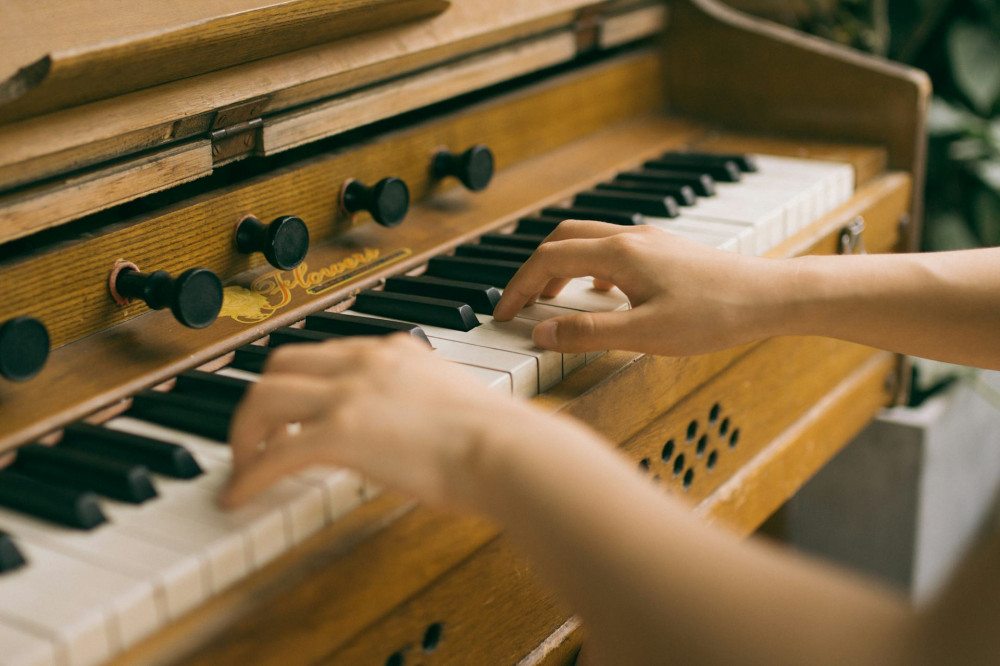
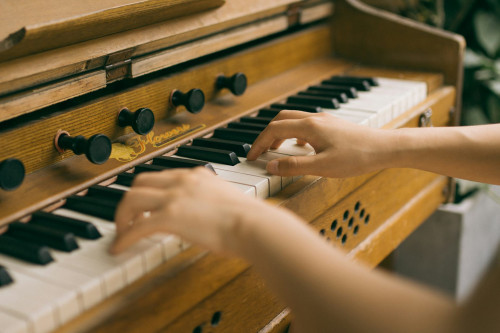
Even then, inspiration was international. The European harpsichord had roots in Middle Eastern instruments, and many rhythmic and melodic ideas came from folk traditions that had crossed borders for centuries.
Industrialization and the Sound of Globalization
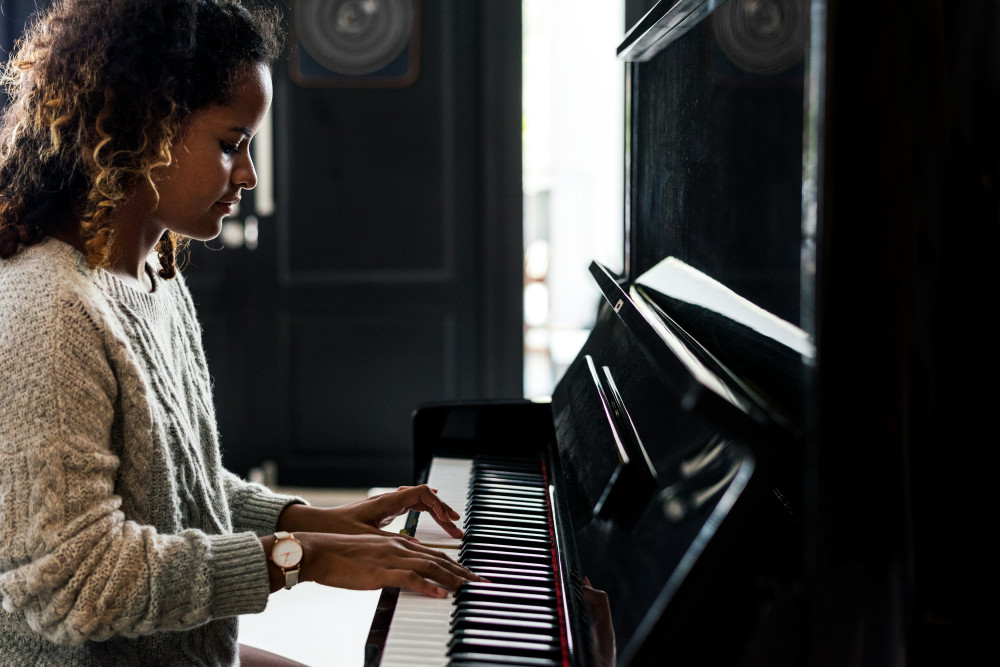
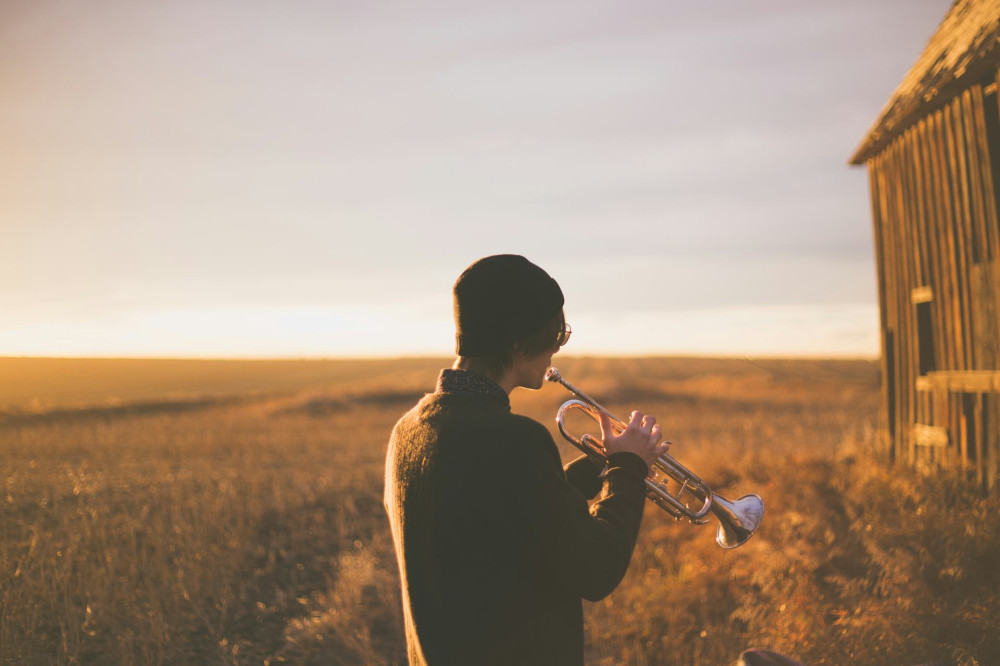
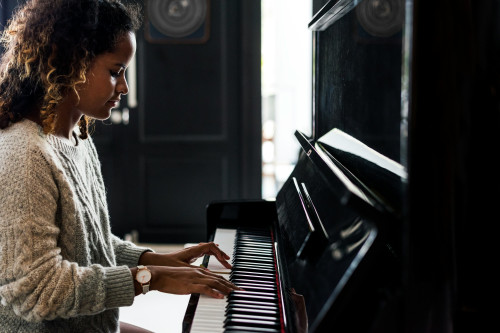
The 19th century’s industrial revolution made instruments easier to mass-produce. Pianos became fixtures in middle-class homes, and brass instruments filled military and civic bands. Music became more accessible, and the exchange of musical ideas accelerated.
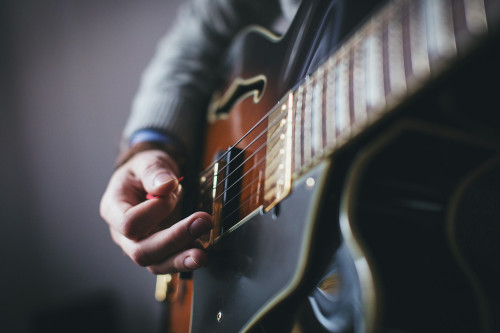
In the 20th century, the meeting of African rhythms, European harmonies, and American innovation gave birth to jazz, blues, and rock. The electric guitar and later the synthesizer transformed the soundscape, allowing musicians to create entirely new tones. Music became a global language, with instruments and styles constantly blending and evolving.
The Digital Age—and a Return to Roots
Today, anyone with a computer can compose music using virtual instruments. Yet, handcrafted traditional instruments are also experiencing a revival. Many musicians seek the warmth and authenticity of acoustic sound—the feel of wood, strings, and craftsmanship. Even in a digital world, we still crave the human connection that music provides.
Cultural exchange continues to shape modern sound. A Japanese koto might appear in an electronic remix, or an African kalimba might feature in a pop hit. Music moves freely across borders—just as it always has.
Music as a Shared Heritage
The evolution of musical instruments is the story of human creativity and exchange. Every time cultures meet, new sounds, ideas, and forms of expression emerge. From bone flutes to electric guitars and digital samplers, instruments are our shared heritage—a reminder that music has always been, and will always be, a universal language.
Læs også: