How to find your passion in creative leisure activities
Discover how to discover and develop your passion for creative hobbies. This e-book guides you through various possibilities from painting to needlework and helps you find the activity that brings you joy and challenges.
Get the e-book

Progression in Training: How to Increase Intensity Safely and Effectively


Build strength and endurance by increasing your training intensity the right way
Exercise
Exercise
5 min
Learn how to progress in your workouts without overtraining or risking injury. This guide explains safe and effective methods to boost intensity, improve performance, and achieve lasting fitness results through smart planning and recovery.
Lucas Young
Lucas
Young

Progression in Training: How to Increase Intensity Safely and Effectively

Build strength and endurance by increasing your training intensity the right way
Exercise
Exercise
5 min
Learn how to progress in your workouts without overtraining or risking injury. This guide explains safe and effective methods to boost intensity, improve performance, and achieve lasting fitness results through smart planning and recovery.
Lucas Young
Lucas
Young

Making progress in your workouts isn’t just about pushing harder—it’s about doing it smartly. Whether you lift weights, run, cycle, or take group fitness classes, progression is the key to getting stronger, faster, and more resilient without risking injury. Here’s a guide to increasing your training intensity safely and effectively.

What Does Progression Mean in Training?

Progression simply means gradually increasing the demands you place on your body so it continues to adapt and improve. This can happen in many ways—by lifting heavier weights, running longer distances, training more frequently, or shortening your rest periods.

Your body adapts to the stress you put on it. If you always train the same way, you’ll eventually hit a plateau where progress stalls. That’s why it’s important to adjust your training over time, but at a pace your muscles, joints, and cardiovascular system can handle.

Start with a Solid Foundation

Before ramping up intensity, know where you’re starting from and where you want to go. Tracking your workouts—using a notebook, app, or smartwatch—helps you see your progress clearly and make informed adjustments.

If you’re new to exercise, focus first on proper form and consistency before increasing the load. A strong foundation and good technique are the cornerstones of safe progression—and your best protection against injury.

Key Ways to Increase Intensity

There are many ways to create progression, and the best approach depends on your training style and goals. Here are some of the most effective methods:

  • Increase the weight – A classic approach in strength training. Add small increments, such as 2–5%, so your body can adapt safely.
  • Add more reps or sets – Instead of lifting heavier, perform more repetitions or include an extra set.
  • Shorten rest periods – Reducing rest time between sets increases intensity and challenges endurance.
  • Increase speed or effort – In cardio workouts, you can run or cycle faster, or add high-intensity intervals.
  • Vary your exercises – Small changes in movement patterns can activate muscles differently and prevent stagnation.

The key is to change only one or two factors at a time so you can monitor how your body responds.

Listen to Your Body and Respect Recovery

Progress doesn’t happen during the workout—it happens between sessions. Training breaks down muscle fibers; rest allows them to rebuild stronger. Without enough recovery, you risk overtraining, fatigue, and injury.

Make sure you get adequate sleep, vary your workouts, and schedule rest days. Persistent soreness, declining performance, or lack of motivation are signs that you may need to ease up.

Use Periodization to Plan Your Progress

A proven way to manage progression is through periodization—dividing your training into phases with varying intensity. For example, you might train harder for three weeks, then take a lighter week to allow your body to recover.

This structured approach helps prevent burnout and ensures steady improvement. It’s used by professional athletes but can be adapted to any fitness level.

Keep Your Form Sharp as You Get Stronger

As weights get heavier or pace increases, it’s tempting to let form slip. But poor technique raises your risk of injury and can slow your progress. Always prioritize proper movement, even when you’re tired.

If you’re unsure about your form, ask a trainer for feedback or record yourself to spot mistakes you might not feel during the workout.

The Mental Side of Progression

Physical progress also requires mental strength. Pushing yourself a little more each week takes focus, patience, and motivation. Set realistic short-term goals and celebrate small wins along the way. This helps you stay consistent, even when progress feels slow.

Visualization, workout playlists, and training with friends can all help keep your motivation high.

Safe and Effective Progress—Step by Step

Progression in training isn’t about doing everything at once—it’s about taking small, intentional steps. Increase the load gradually, listen to your body, and keep your technique solid. That’s how you get stronger, faster, and more capable—without paying the price in injuries.

The best workout plan is one you can sustain. With a smart approach to progression, you can keep improving year after year.

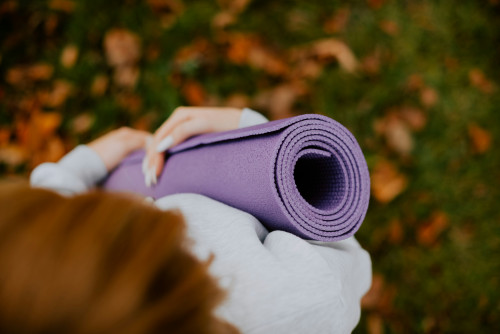
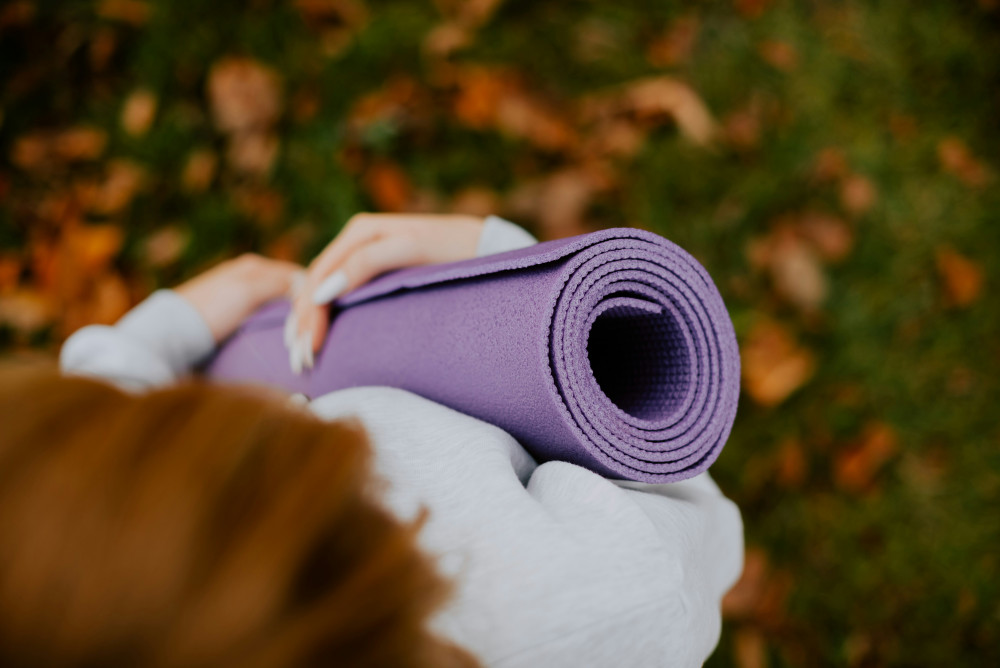
Different yoga mats for different types of training
Find the yoga mat that suits your practice and your needs
Exercise
Exercise
Yoga
Yoga mats
Training equipment
Well-being
Types of training
7 min
Different yoga mats suit different types of training. In the article, you get an overview of materials, thicknesses and functions, so you can find the mat that gives you the best support in your yoga practice.
Ben Anderson
Ben
Anderson
Sandbags – inspiration for functional solutions
Train strength, stability and endurance with a versatile tool for both home workouts and outdoor use
Exercise
Exercise
Sandbags
Functional training
Strength training
Outdoor training
Training equipment
5 min
Sandbags are a versatile tool for functional training that challenges both strength and stability. Get an overview of different types and areas of use, and find inspiration to integrate sandbags into your training.
Sarah Torres
Sarah
Torres
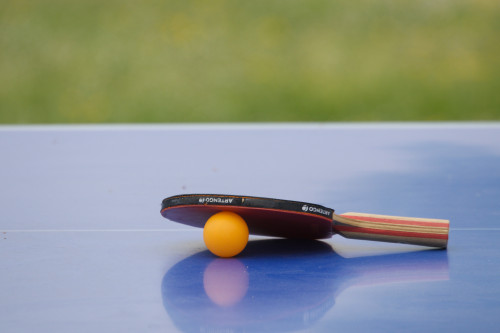
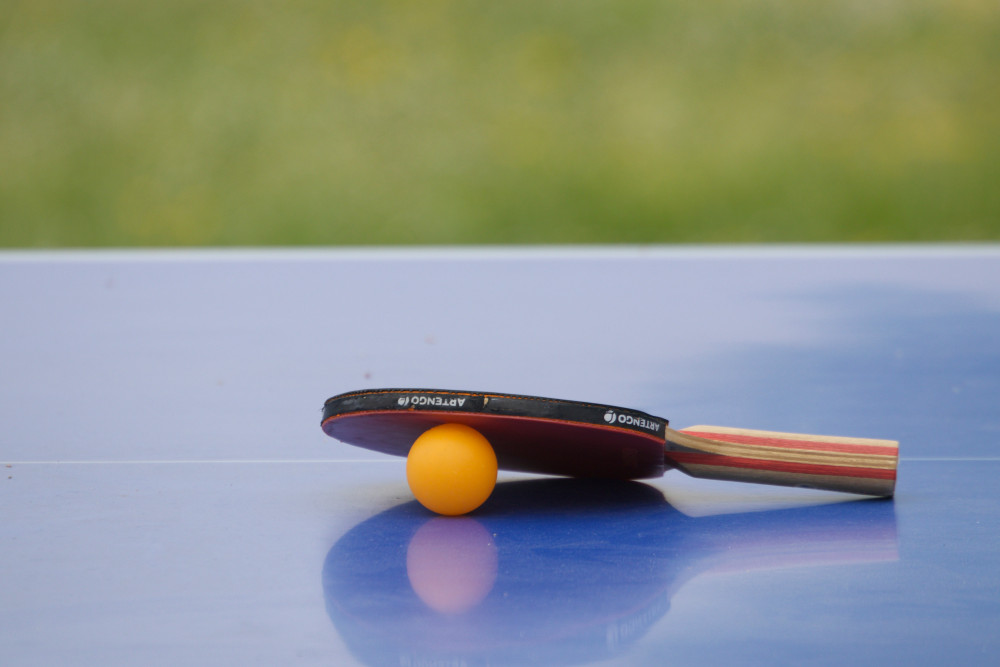
Table tennis bats in different designs – see the differences here
Find the bat that suits your playing style and level
Exercise
Exercise
Table tennis
Equipment
Training
Sport
Racket sport
3 min
Get an overview of different types of table tennis bats and their features. Read about differences in grip, weight and coating, and find out which bat best suits your playing style and level.
Elijah Scott
Elijah
Scott
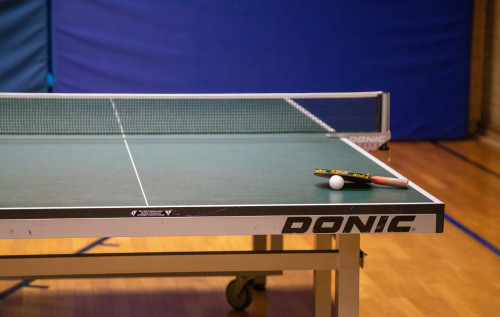
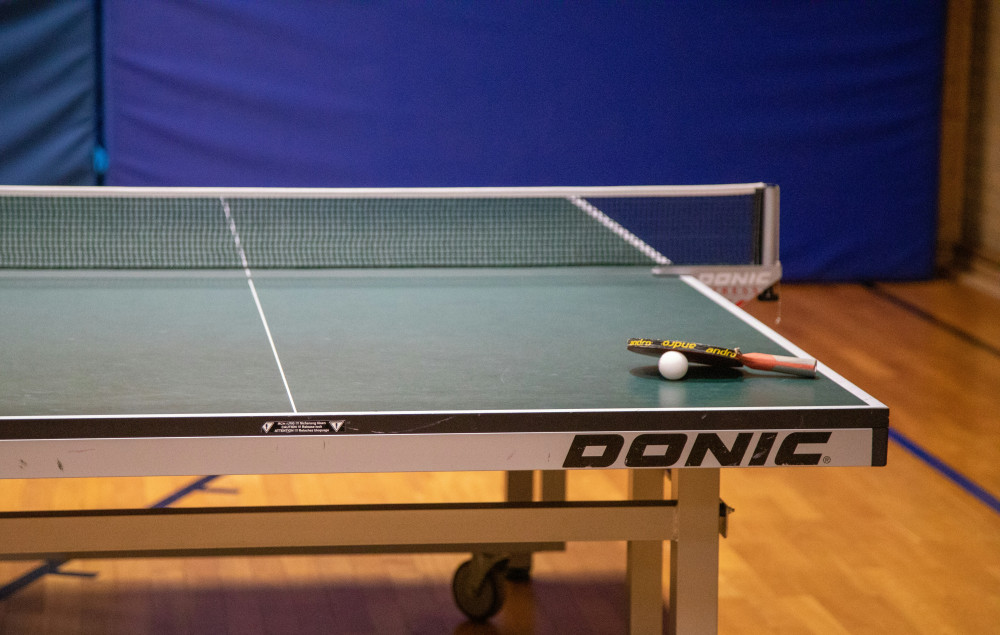
Make room for play and competition with a table tennis table
Create activity and togetherness with a game that suits both the home and the club
Exercise
Exercise
Table tennis
Racket sport
Training
Leisure
Equipment
4 min
A table tennis table creates the framework for fun, exercise and community. Get an overview of different types of tables, materials and features so you can find the model that best suits your home or club environment.
Isaiah Johnson
Isaiah
Johnson
Progression in Training: How to Increase Intensity Safely and Effectively
Build strength and endurance by increasing your training intensity the right way
Exercise
Exercise
Fitness
Training Progression
Exercise Safety
Strength Training
Workout Tips
5 min
Learn how to progress in your workouts without overtraining or risking injury. This guide explains safe and effective methods to boost intensity, improve performance, and achieve lasting fitness results through smart planning and recovery.
Lucas Young
Lucas
Young
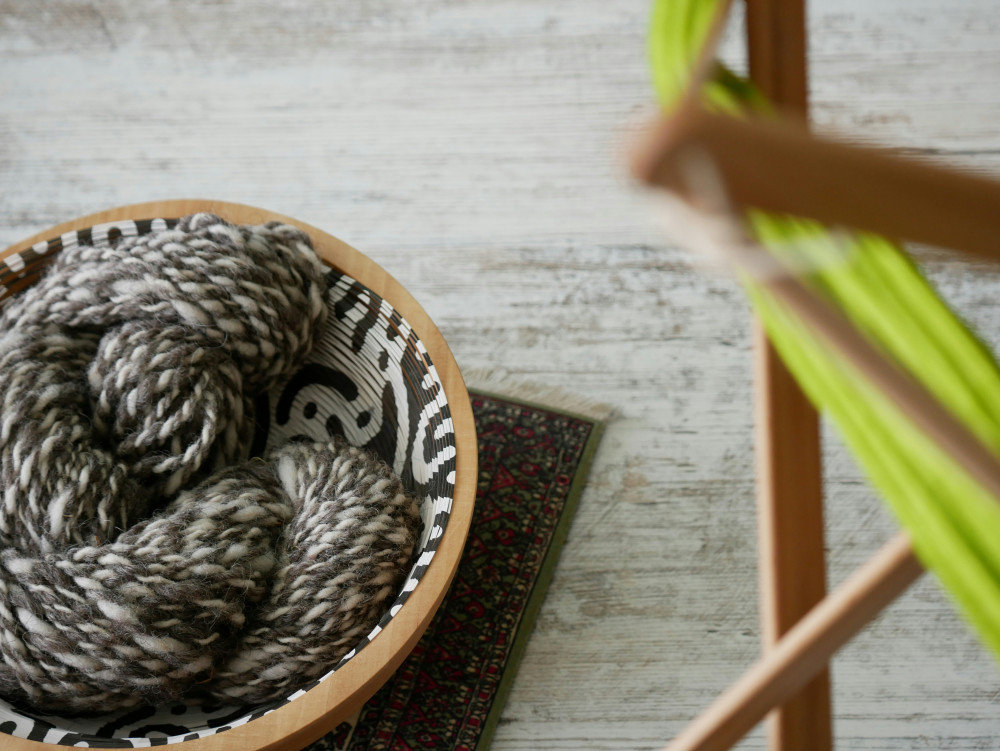
Yarn bowls – let yourself be inspired by shapes and materials
Make your knitting time more comfortable with a practical and beautiful yarn bowl
Hobby
Hobby
Yarn bowl
Handicraft
Knitting
Crochet
Creative leisure
4 min
Yarn bowls combine function and aesthetics in handicrafts. Get an overview of different shapes and materials, and find inspiration for the yarn bowl that best suits your style and creative space.
Ben Anderson
Ben
Anderson
Canvases – see the selection and get inspired
Create your own artworks with the right canvas as a foundation
Hobby
Hobby
Canvas
Creative hobby
Art
Paint
Inspiration
2 min
Find inspiration for your next painting project with our overview of canvases. Read about materials, sizes and surfaces and get a better foundation for choosing the canvas that suits your creative style.
Sarah Torres
Sarah
Torres
Create your own artworks with acrylic paints in many variations
Unleash your creativity with colours that suit every idea
Hobby
Hobby
Acrylic paint
Creative hobby
Art
Painting
Material
2 min
Discover the many possibilities of acrylic paint – from classic primary colours to special effects and professional ranges. The article provides an overview of types, properties and areas of application so that you can find the paint that suits your creative projects.
Elijah Scott
Elijah
Scott
Watercolour paintings – overview of options for both beginners and advanced
Find the right colours and tools to express your creativity with watercolour
Hobby
Hobby
Watercolour painting
Creative hobby
Art
Painting equipment
Inspiration
2 min
Watercolour painting opens up creative expression in both simple and advanced techniques. Get an overview of the different types of paint, qualities and formats, so you can choose the set that best suits your level and preferences.
Isaiah Johnson
Isaiah
Johnson
Hobby paints – Inspiration for new creative forms of expression
Let your imagination run wild with colours that bring your ideas to life
Hobby
Hobby
Hobby paints
Creativity
DIY
Art
Leisure projects
5 min
Find inspiration for your creative projects with hobby paints. The article provides an overview of different types of paints and their possible applications, so you can choose the products that best suit your ideas and materials.
Lucas Young
Lucas
Young
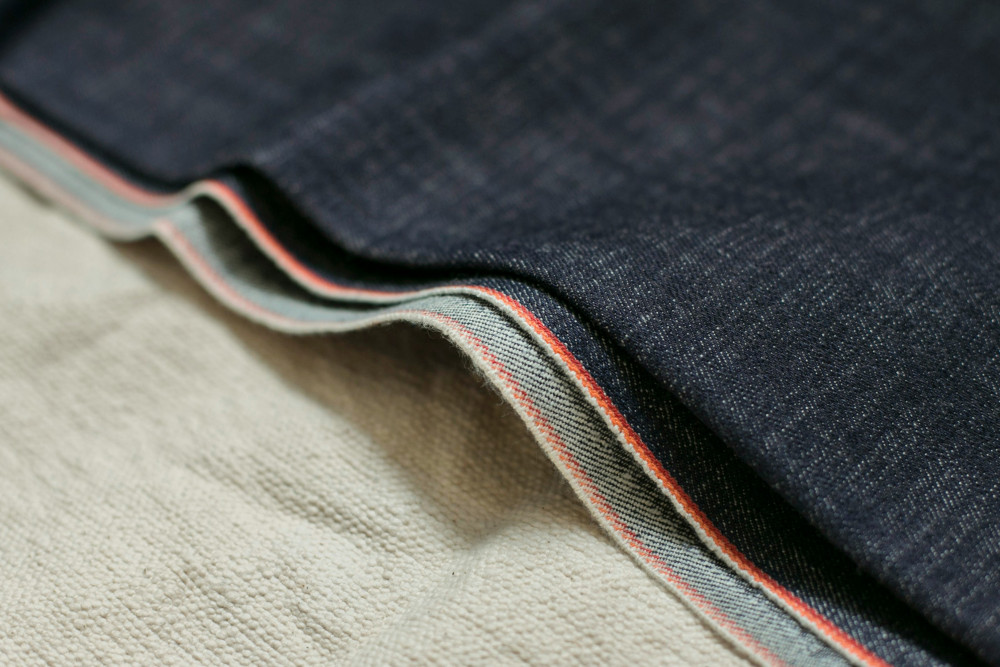
Denim fabrics explained – understand the properties of the materials
Get a handle on the differences before you choose fabric for your next sewing project
Make it yourself
Make it yourself
Denim
Sewing
Textiles
Hobby
Material science
4 min
Denim comes in many varieties with different weaves, weights and properties. Read how to choose the right denim fabric for your project, and gain insight into what characterises the most popular types.
Ben Anderson
Ben
Anderson
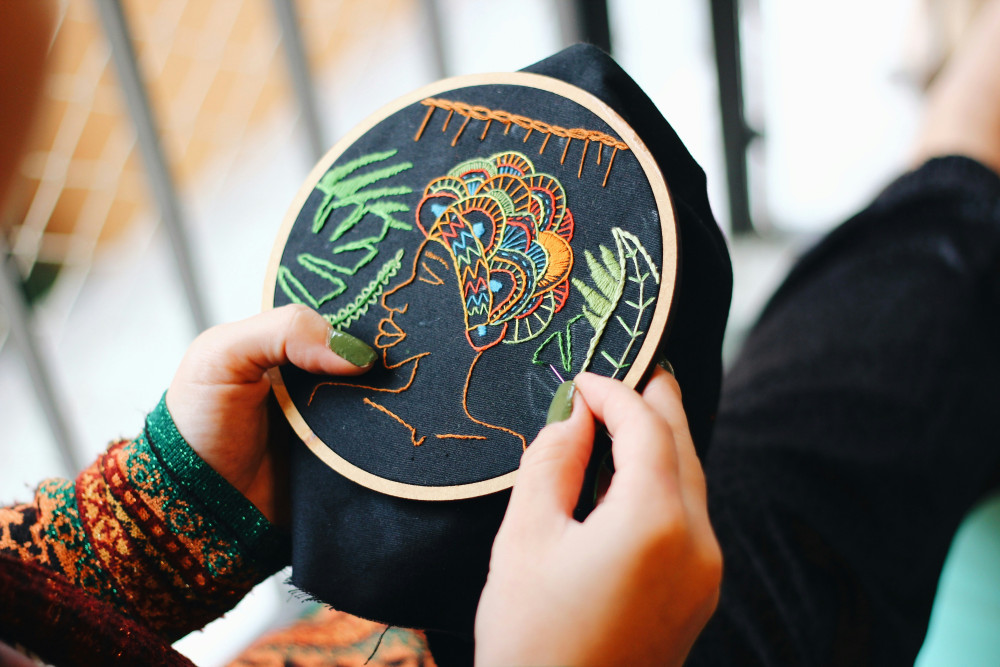
Gather ideas for new projects with a selection of embroidery kits
Unleash your creativity with colours, patterns and inspiration for new craft projects
Make it yourself
Make it yourself
Embroidery
Crafts
Creative Hobby
DIY
Inspiration
5 min
Find inspiration for your next creative project with a selection of embroidery kits. The article provides an overview of different types of sets so you can easily choose the one that suits your style and experience.
Sarah Torres
Sarah
Torres