How to Keep an Eye on Your Pet’s Well-Being Every Day

How to Keep an Eye on Your Pet’s Well-Being Every Day
A pet brings joy, companionship, and energy into your home—but it also depends on you to stay healthy and happy. Whether you share your life with a dog, cat, rabbit, or bird, it’s important to recognize the signs of both physical and emotional well-being. Here’s a guide to help you monitor your pet’s health and happiness every day—and notice early if something seems off.
Know Your Pet’s Normal Behavior
The first step in understanding your pet’s well-being is knowing what “normal” looks like. How much does your pet eat? How active is it? How does it respond to play and affection? Once you know its usual habits, you’ll be able to spot changes more easily.
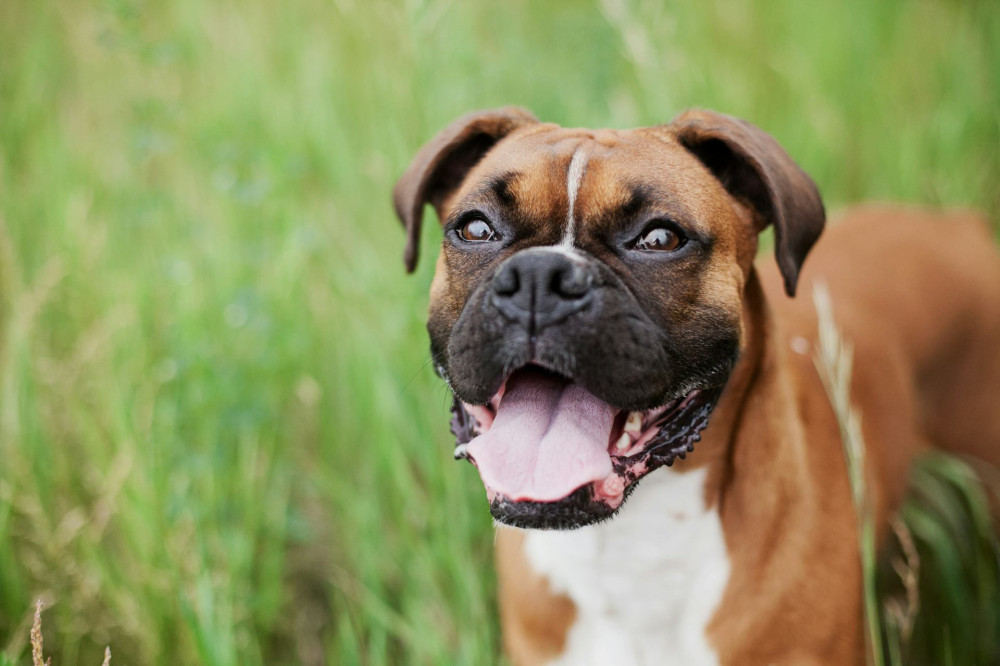
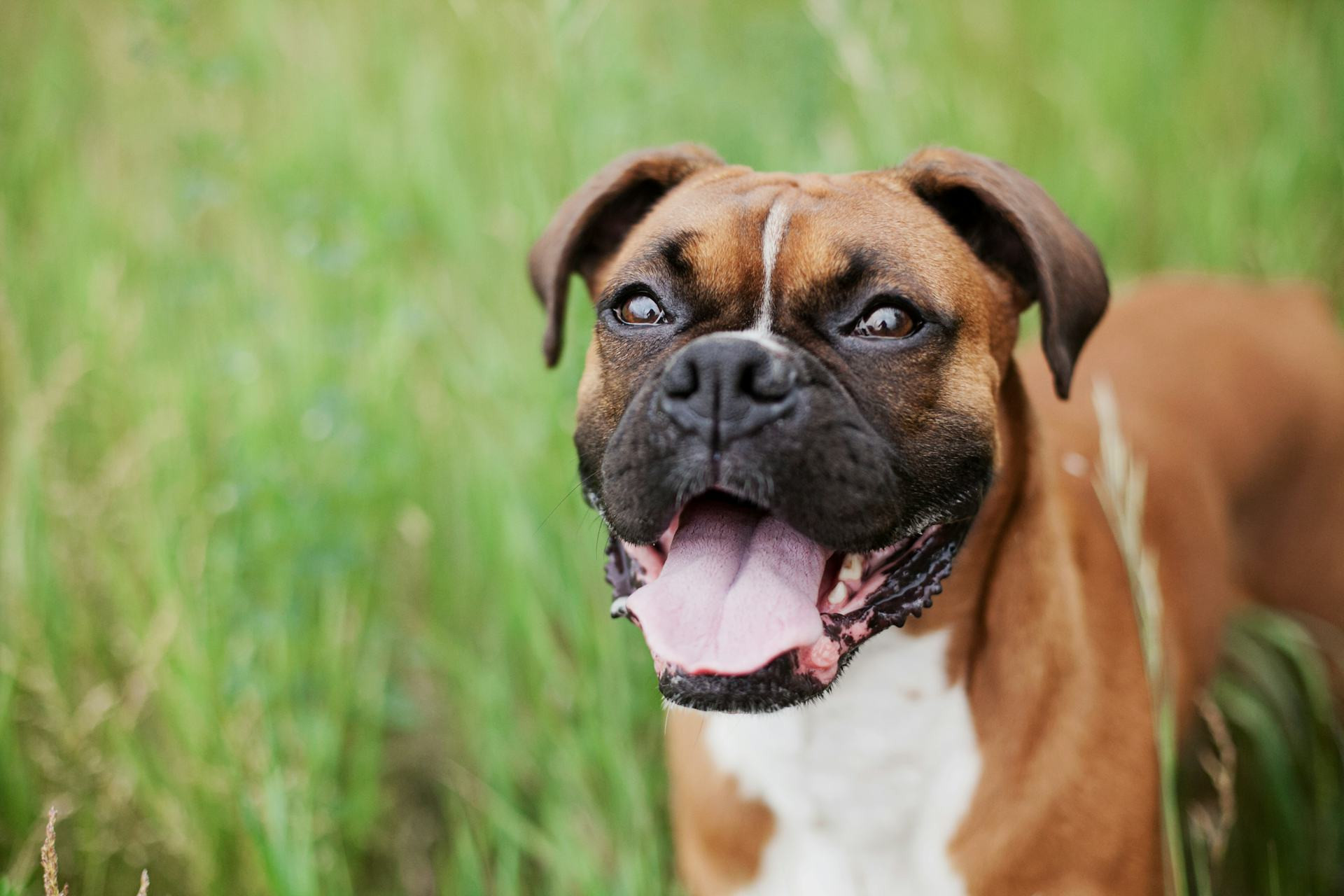
- Dogs show well-being through energy, appetite, and social interaction. A happy dog wags its tail, seeks attention, and explores its surroundings.
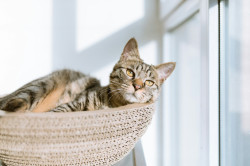
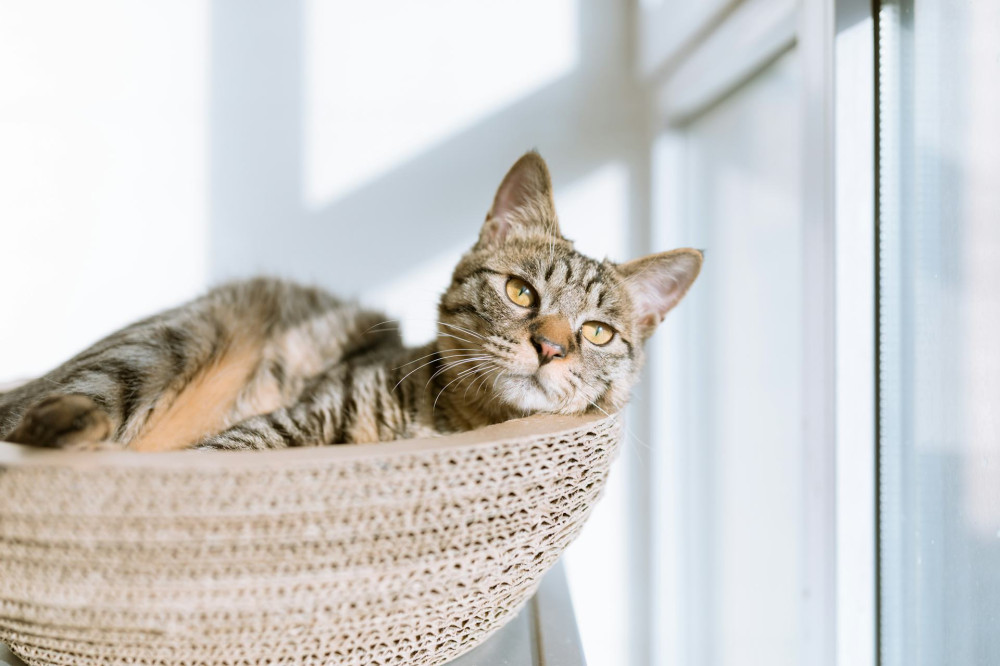
- Cats thrive when they eat regularly, sleep comfortably, and show curiosity about their environment.
- Small pets and birds should be active, have shiny fur or feathers, and show interest in food and play.
If your pet suddenly becomes withdrawn, less playful, or changes its eating habits, it may be a sign that something’s wrong.
Watch Diet and Weight
A balanced diet is the foundation of good health. Being overweight or underweight can lead to serious health issues, so it’s important to keep an eye on your pet’s body condition.
- Weigh your pet regularly, or use visual cues: you should be able to feel the ribs without them sticking out.
- Choose food that fits your pet’s age, size, and activity level.
- Limit treats—they count toward daily calories.
If you’re unsure what diet is best, your veterinarian can help you create a feeding plan tailored to your pet’s needs.
Check Coat, Skin, and Eyes
Your pet’s appearance can reveal a lot about its health. A shiny coat, clean skin, and bright eyes are all good signs.
- Coat and skin: Look for dandruff, sores, itching, or unusual shedding.
- Eyes: They should be clear and free of discharge.
- Ears: Check for redness, odor, or buildup—especially in dogs with floppy ears.
Regular grooming not only keeps your pet looking good but also gives you a chance to notice changes early.
Læs også:



Pay Attention to Behavior and Mood
Pets communicate through behavior. A dog that suddenly becomes aggressive or lethargic, or a cat that hides more than usual, may be in pain or stressed.
Possible signs of distress include:
- Less interest in play or interaction
- Changes in sleep patterns
- Excessive licking or scratching
- Accidents in house-trained pets
Try to identify the cause—it could be anything from a change in routine to an underlying illness. If the behavior continues, consult your veterinarian or a certified animal behaviorist.
Provide Mental Stimulation
Well-being isn’t just about physical health. Pets need mental stimulation to stay happy and prevent boredom or anxiety.
- Dogs benefit from walks in new places, training sessions, and interactive toys.
- Cats enjoy climbing trees, hiding spots, and hunting-style games.
- Small pets like rabbits and guinea pigs need space to explore, tunnels, and chew toys.
Adding variety to your pet’s daily life keeps it engaged and helps prevent unwanted behaviors.
Schedule Regular Vet Visits
Even the most attentive owner can miss early signs of illness. That’s why regular veterinary checkups—usually once a year—are essential. Your vet can check your pet’s teeth, weight, vaccinations, and overall health.
Between visits, keep an eye on:
- Appetite and water intake
- Stool and urine habits
- Breathing and movement
Small changes can be early indicators of health problems, and catching them early makes treatment easier and more effective.
Well-Being Is a Shared Responsibility
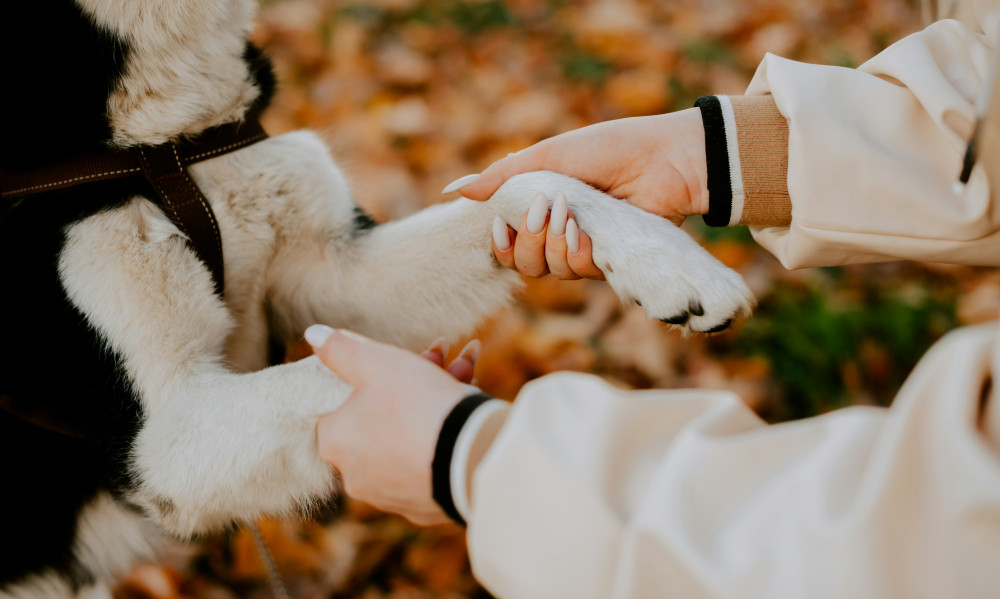
Monitoring your pet’s well-being isn’t just about spotting problems—it’s about creating the conditions for a good life. It takes time, attention, and an understanding of your pet’s needs. When you learn to read your pet’s signals and respond with care, you strengthen both its health and your bond.
A thriving pet isn’t just healthy—it’s confident, curious, and full of life. And that’s the greatest reward for any loving pet owner.
Læs også: