Green vs. Blue Grapes – How the Color of the Grape Variety Affects a Wine’s Style and Flavor

Green vs. Blue Grapes – How the Color of the Grape Variety Affects a Wine’s Style and Flavor
When you pour a glass of wine, color is often the first thing you notice. It can range from pale straw to deep ruby, and while it’s visually striking, color also reveals a lot about how the wine was made and what it might taste like. The difference between green (white) and blue (red) grapes is fundamental to a wine’s style — from crisp, refreshing whites to full-bodied, complex reds.
The Color Starts in the Grape Skin
Although both green and blue grapes contain nearly colorless juice, the key difference lies in the skin. Blue grapes are rich in pigments called anthocyanins, which give red wines their deep color. When the skins ferment together with the juice — as in red wine production — they release color, tannins, and aromatic compounds into the wine.
In white wine production, the skins are removed quickly after pressing, so only the juice ferments. The result is a lighter color and a more delicate flavor profile. Still, grape color doesn’t strictly determine wine color — winemakers can manipulate the process to create rosé or even sparkling wines from blue grapes, and orange wines from green ones.
Læs også:
Green Grapes – Freshness, Acidity, and Elegance
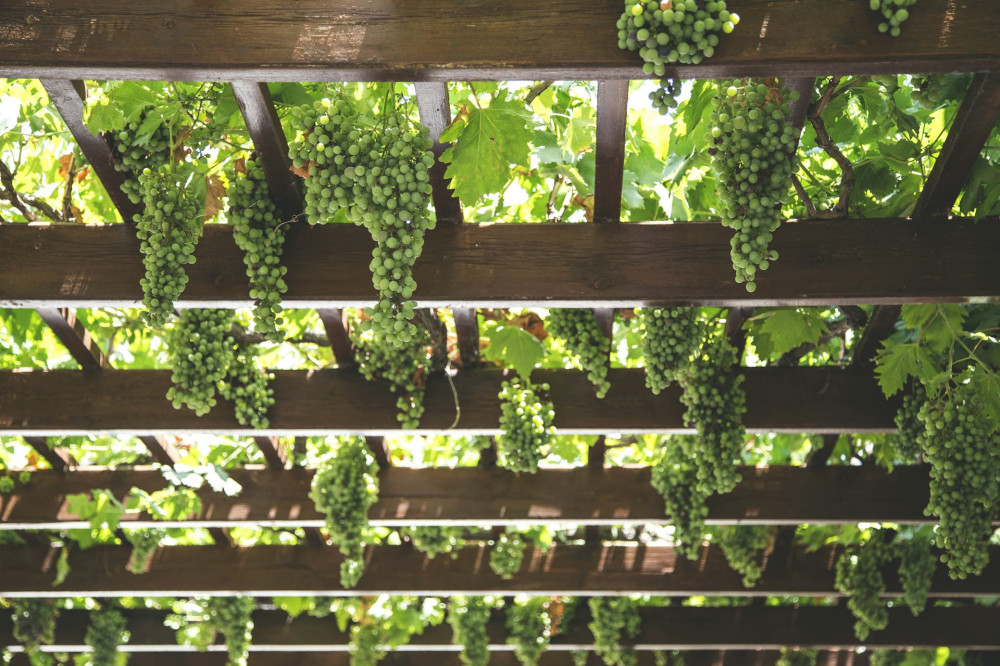
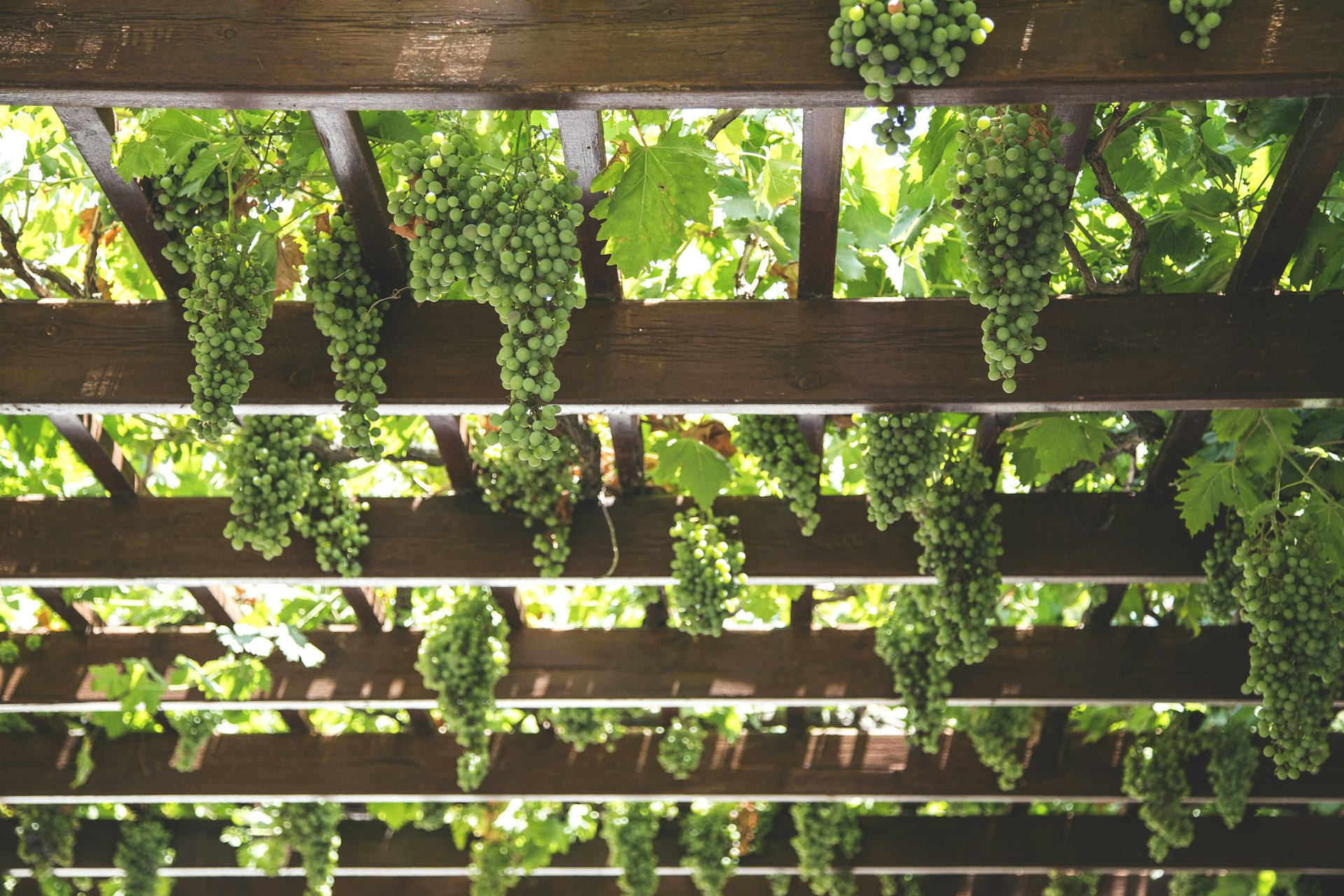
Green grapes such as Chardonnay, Sauvignon Blanc, and Riesling are known for producing wines with bright acidity, freshness, and often floral or fruity aromas. They thrive in cooler climates, where acidity is preserved and the wines develop a crisp, refined character.
- Sauvignon Blanc often shows notes of citrus, green apple, and fresh herbs, with a zesty, mineral edge.
- Chardonnay can range from lean and steely to rich and buttery, depending on whether it’s aged in oak.
- Riesling is prized for its aromatic intensity and its ability to balance sweetness and acidity, making it suitable for both dry and sweet styles.
Green grapes form the foundation of many of the world’s most popular white wines, from California’s coastal Chardonnays to Oregon’s vibrant Pinot Gris. They’re also essential in sparkling wines like Champagne and American sparkling brut, where freshness and acidity are key.
Blue Grapes – Structure, Depth, and Complexity
Blue grapes such as Cabernet Sauvignon, Pinot Noir, and Merlot give wines their deep color and firm structure. Tannins — natural compounds found in grape skins and seeds — play a central role here, providing body, texture, and the ability to age gracefully.
- Cabernet Sauvignon is bold and structured, with flavors of blackcurrant, cedar, and spice.
- Pinot Noir is lighter in color and body, offering red cherry, earth, and subtle floral notes.
- Merlot sits between the two — soft, round, and fruit-forward, often used to balance more tannic varieties.
Blue grapes tend to thrive in warmer climates, where they can fully ripen and develop rich, layered flavors. In the U.S., regions like Napa Valley, Sonoma, and Washington State are renowned for producing world-class red wines that showcase the depth and complexity of these grapes.
When Colors Meet – Rosé and Orange Wines
Not all wines fit neatly into the white or red category. Rosé is typically made from blue grapes, but the skins are left in contact with the juice for only a short time — just enough to impart a pink hue and a hint of tannin. The result is a fresh, fruit-driven wine that bridges the gap between white and red.
Orange wine, on the other hand, is made from green grapes fermented with their skins, much like a red wine. This ancient technique, revived by modern winemakers, produces amber-colored wines with a textured mouthfeel and complex, savory flavors.
Climate, Soil, and the Winemaker’s Touch
While grape color sets the stage, climate and soil play equally important roles. A Chardonnay from California’s Central Coast tastes very different from one grown in Burgundy, even though the grape is the same. Winemaking choices — such as oak aging, fermentation temperature, or malolactic conversion — can dramatically alter a wine’s color, aroma, and texture.
In other words, color tells part of the story, but not the whole one. It hints at a wine’s origins and style, yet the final character depends on the interplay between nature and craftsmanship.
Color as a Guide — Not a Rule
When choosing wine, color can offer clues: lighter wines are often crisp and refreshing, while darker wines tend to be fuller and more robust. But there are always exceptions. A pale rosé can be bone-dry and structured, while a light red might be soft and juicy.
The best approach is to use color as a guide — and let your palate decide the rest. Whether you prefer the bright zest of green grapes or the rich depth of blue ones, it’s the balance of acidity, fruit, and structure that makes a wine truly memorable.
Læs også: