Embroidery Stitches That Create Expression – Learn the Most Common Techniques


Embroidery Stitches That Create Expression – Learn the Most Common Techniques
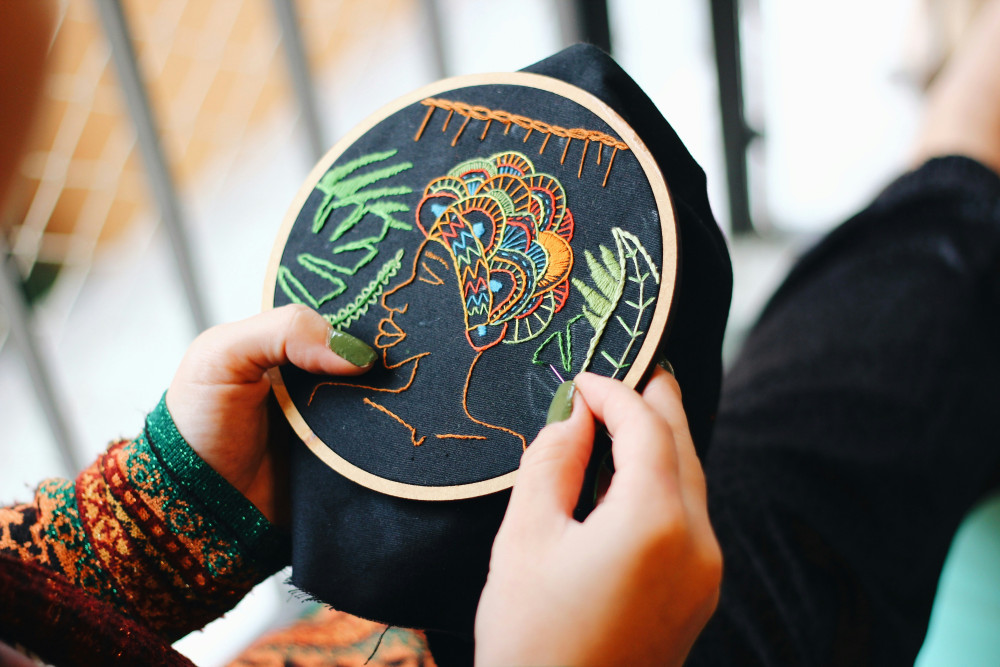
Embroidery is one of the oldest forms of textile art—and one of the most personal. With needle, thread, and fabric, you can create everything from simple patterns to intricate designs that reflect your style and creativity. Whether you’re a beginner or an experienced stitcher, the basic stitches form the foundation of your craft. Here’s an introduction to the most common embroidery stitches—and how you can use them to express yourself through thread.
A Craft with History and Personality
For centuries, embroidery has been used to decorate clothing, home textiles, and ceremonial garments. Today, it’s enjoying a revival—not just as decoration, but as a creative and mindful hobby. Many people find embroidery relaxing, while others see it as a form of artistic expression.
What makes embroidery special is that even the simplest stitches can produce unique results. The combination of color, thread type, and fabric gives each project its own character. It’s not only about technique—it’s about finding your rhythm and personal style.
The Most Common Stitches—and How to Use Them
There are countless embroidery stitches, but a few key ones form the basis for most designs. Here are the most popular stitches and what they’re best for.
1. Running Stitch – Simple and Versatile
The running stitch is the most basic embroidery stitch. It consists of small, straight stitches sewn in a line. It’s often used for outlines, simple patterns, or as a foundation for other stitches. Tip: Keep your stitches even for a clean look, or vary their length for a more organic feel.
2. Backstitch – For Clean, Defined Lines
The backstitch is similar to the running stitch, but each stitch overlaps slightly with the previous one, creating a continuous line. It’s ideal for text, outlines, and details where you want precision. It’s also great for combining with other stitches to add depth and structure.
3. Chain Stitch – Decorative and Dynamic
The chain stitch forms small loops that resemble a chain. It gives a soft, decorative look and is often used for floral motifs, leaves, and ornamental borders. By adjusting the size of the loops, you can create anything from delicate outlines to bold, textured designs.
4. Satin Stitch – For Smooth, Colorful Fills
The satin stitch is used to fill an area with closely packed stitches, creating a smooth, shiny surface. It takes patience, but the result is elegant and rich in color. Tip: Lightly outline the area with a pencil or fabric marker and stitch from edge to edge, keeping the threads parallel for a polished finish.
5. French Knots – Small Details with Big Impact
French knots are tiny raised dots that add texture and dimension to your embroidery. They’re often used for flower centers, eyes, or decorative accents. They can be tricky at first, but with a little practice, you’ll master them—and they’ll give your work a charming, handcrafted touch.
6. Cross-Stitch – The Classic Pattern Stitch
Cross-stitch is one of the most recognizable embroidery techniques. It consists of two diagonal stitches that cross to form an “X.” It’s perfect for geometric patterns, lettering, and traditional motifs. You can follow a chart or design your own pattern for a modern twist on a timeless craft.
Læs også:


Materials That Make a Difference
While technique matters, the materials you choose have a big impact on your results.
- Fabric: Choose a fabric with an even weave, such as cotton, linen, or Aida cloth for cross-stitch.
- Thread: Embroidery floss comes in many types—cotton, silk, or wool—and can be separated into strands to adjust thickness.
- Needle: Use a sharp or blunt embroidery needle depending on your fabric.
- Hoop: An embroidery hoop keeps your fabric taut, making your stitches more precise and even.
Getting Started
Begin with a small project—like a name on a kitchen towel, a simple motif on a pillow, or a short quote. Lightly sketch your design on the fabric with a water-soluble pen, and choose a few stitches to practice. The key is to take your time and enjoy the process. Embroidery isn’t about perfection—it’s about expression and mindfulness.
Adding Your Personal Touch
Once you’ve mastered the basics, start experimenting. Combine different stitches, play with color, and try unexpected materials like metallic thread or beads. You can even transfer your own drawings or photos as templates—making your embroidery truly one of a kind.
Embroidery is a quiet yet powerful form of self-expression. Every thread tells a story, and every stitch is a small step toward something uniquely your own.
Læs også: