Adjust the Recipe Without Ruining It: How to Keep the Right Balance in Baking

Adjust the Recipe Without Ruining It: How to Keep the Right Balance in Baking
Baking is more than just following a recipe word for word. It’s a mix of chemistry, intuition, and experience — and sometimes, a bit of curiosity. But how do you tweak a recipe without ending up with a cake that’s dry, flat, or flavorless? Here’s a guide to adjusting your recipes while keeping the right balance in your baking.
Understand the Basics of the Recipe
A good recipe is like a small ecosystem where every ingredient has a purpose. Flour provides structure, fat adds tenderness, sugar brings sweetness and color, and eggs bind and moisten. When you change one part, the rest of the system shifts too.
Here’s what each key ingredient does:
- Flour forms gluten, which gives structure. Less flour makes a softer cake, but too little can make it collapse.
- Sugar doesn’t just sweeten — it helps retain moisture and contributes to browning.
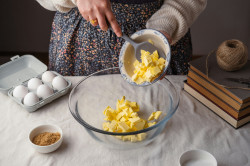
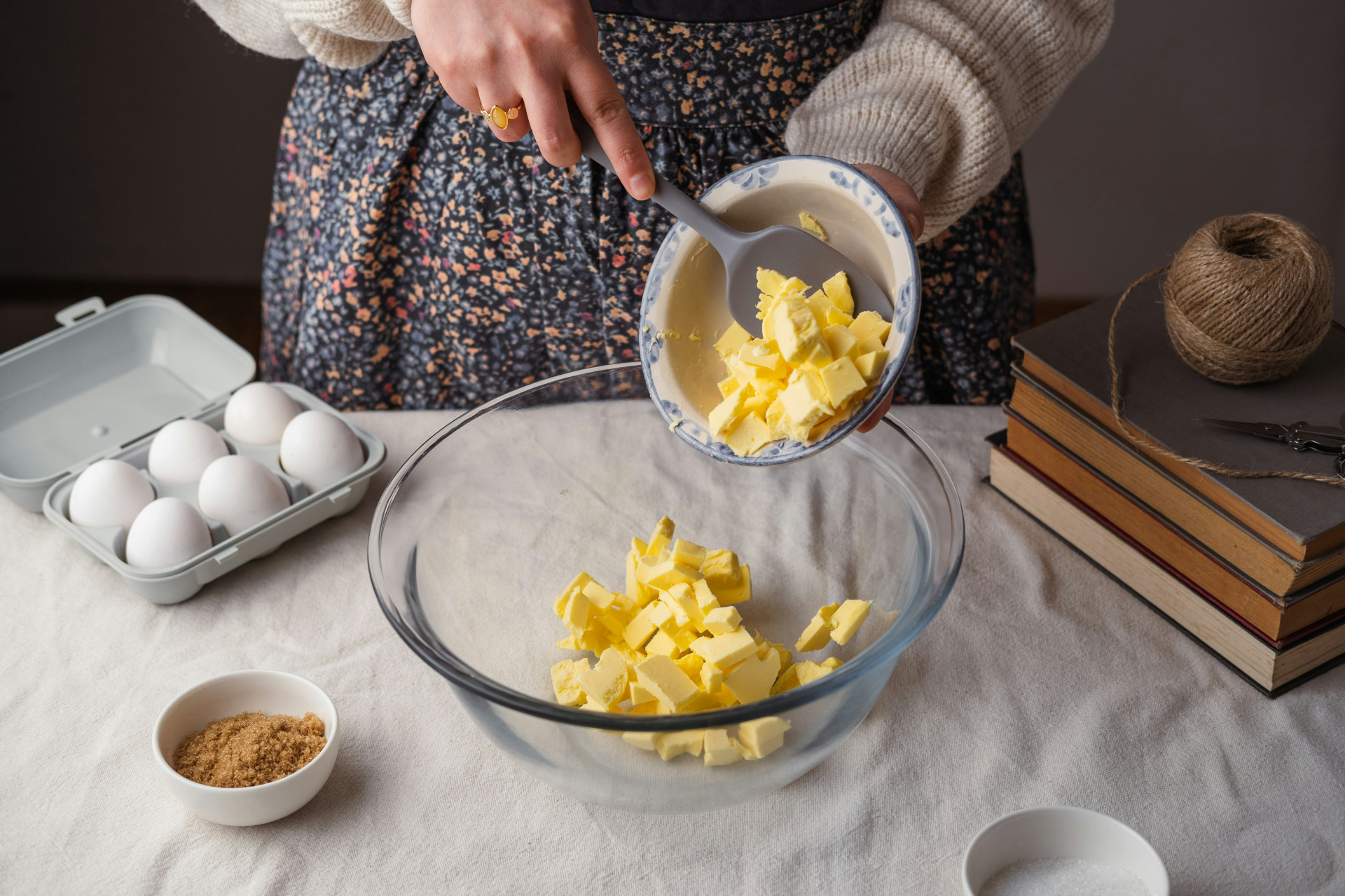
- Fat (butter, oil, shortening) adds richness and softness. Cut back too much, and your baked goods can turn dry.
- Eggs bind ingredients and add lift. Too many can make the texture dense.
- Leavening agents like baking powder, baking soda, or yeast must be balanced carefully — too much can cause bitterness or uneven rising.
Once you understand these roles, you can make changes with confidence.
Small Changes, Big Impact
If you want to experiment, start small. Change one thing at a time and take notes. Try swapping part of the all-purpose flour for whole wheat, reducing sugar by 10%, or using a different type of fat.
Small adjustments let you see how the recipe reacts without risking the whole batch. This is especially helpful when baking for holidays or special occasions, when you want reliable results.
A smart trick: bake a half batch when testing new variations. That way, you save ingredients if it doesn’t turn out as planned.
Making Recipes Healthier — Without Losing Flavor
Many home bakers want to cut back on sugar, fat, or refined flour. It’s possible, but it takes balance.
- Reduce sugar gradually. Try cutting 10–20% at a time and see how it affects taste and texture.
- Swap some of the flour. Use half all-purpose and half whole wheat for more fiber, but remember that whole wheat absorbs more liquid — you may need to add a bit more moisture.
- Replace part of the fat. Mashed banana, applesauce, or Greek yogurt can replace part of the butter or oil in cakes and muffins, but not all of it. Start by substituting one-third.
The goal isn’t to remove everything “unhealthy,” but to find a balance where flavor and texture still shine.
Adjust for Season and Ingredients
Ingredients behave differently depending on temperature and humidity. In winter, butter can be firmer and flour drier, while summer humidity can make doughs softer. That’s why a recipe that worked perfectly in December might need a little extra flour in July.
Fresh ingredients vary too. Ripe bananas are sweeter than unripe ones, and apples can range from crisp and tart to juicy and mild. Trust your senses — the dough or batter should feel right, not just look right on paper.
Change Flavor, Not Structure
If you want to give your baked goods a new twist, focus on flavor rather than structure. You can:
- Add spices like cinnamon, nutmeg, or ginger.
- Use browned butter for a nutty depth.
- Add lemon zest, vanilla, or espresso powder for complexity.
- Swap nuts or chocolate chips for dried fruit to change texture and taste.
These changes rarely affect how your cake rises or sets, but they can completely transform the flavor.
Læs også:

Learn from Mistakes — and Keep Your Successes
Even experienced bakers have flops when adjusting recipes. The key is to learn from each attempt. Write down what you changed and how it turned out. Over time, you’ll develop your own versions that fit your taste and kitchen.
When you find the perfect balance, save that recipe — and note why it works. That’s how you build your own collection of personal classics.
The Balance Between Creativity and Precision
Baking is both science and art. Too much freedom can make your dough collapse, but too much precision can take the joy out of it. The best approach is to understand the rules — and then break them thoughtfully.
When you adjust recipes with respect for their structure, you open the door to new flavors and textures without losing what makes baking magical: the aroma, the anticipation, and the simple joy of creating something from scratch.
Læs også: